Business owners usually react to problems they can see.
Sales decline.
Customers complain.
Cash runs short.
A supplier misses a delivery.
But the biggest threats to a growing business often remain invisible for weeks—or even months.
They quietly reduce efficiency, increase costs, and make growth more difficult.
By the time they become obvious, they have already affected profits, customer relationships, or employee productivity.
Recognizing these warning signs early gives businesses the opportunity to fix problems before they become expensive.
Problem 1: You're Always Busy, But Growth Has Stopped
If everyone in the business is working hard but revenue has stayed the same for months, activity may be replacing productivity.
Ask yourself:
Are employees spending too much time on repetitive work?
Are approvals taking longer than necessary?
Are tasks being duplicated?
Growth depends on improving systems—not simply increasing effort.
Problem 2: Customer Enquiries Slip Through the Cracks
Every missed enquiry is a missed opportunity.
When enquiries arrive through WhatsApp, calls, emails, and walk-ins, it's easy to lose track without a structured process.
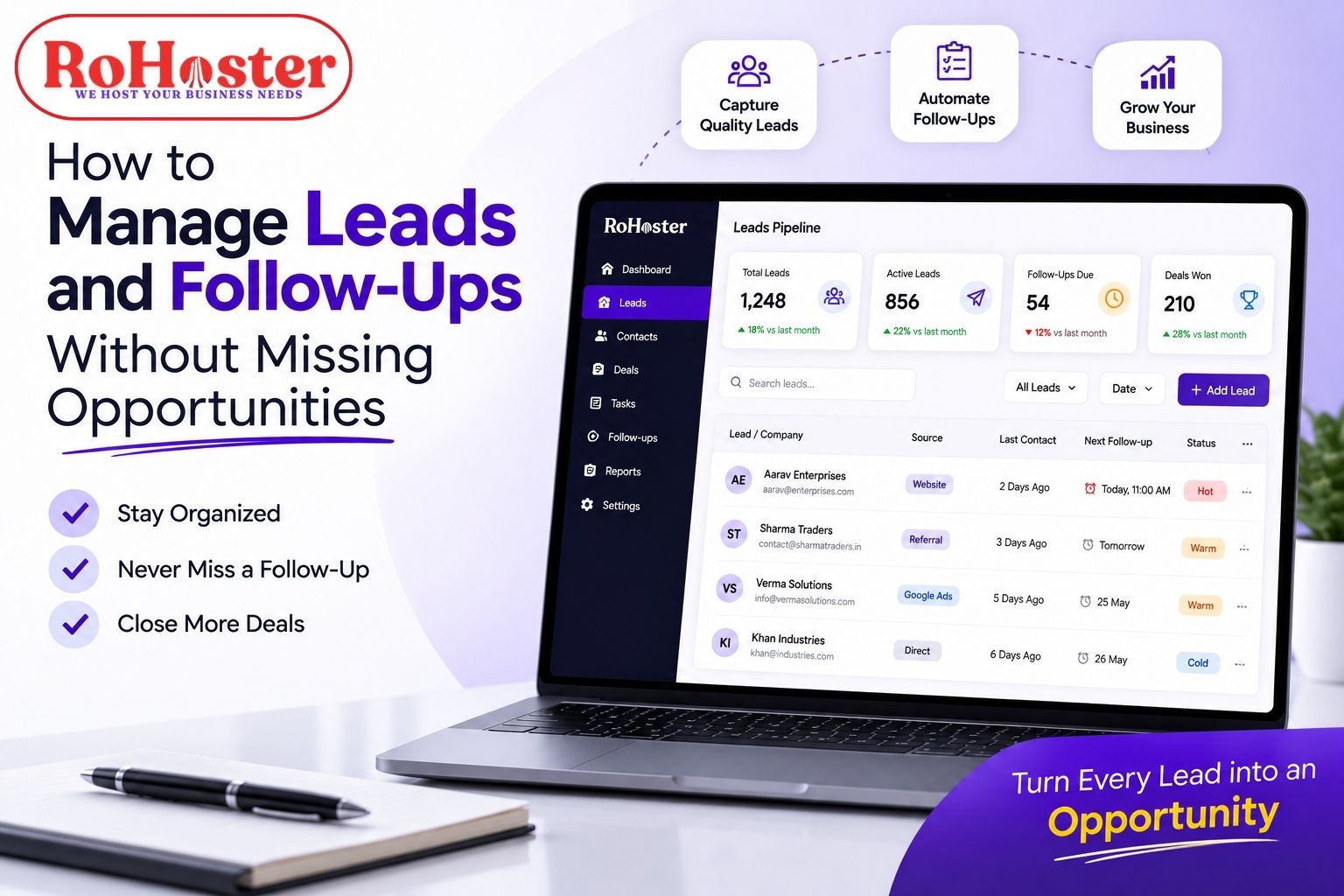
Organized lead management ensures every enquiry is recorded, assigned, and followed up until it becomes a customer—or is intentionally closed.
Problem 3: Inventory Problems Keep Surprising You
Running out of stock unexpectedly.
Ordering products you already have.
Discovering dead stock months later.
These issues usually indicate poor inventory visibility rather than poor purchasing decisions.
Businesses still relying on manual stock records should read Ditch the Spreadsheets: Why Managing Retail Stock in Excel Is Costing You Money to understand how centralized inventory management improves accuracy.
Problem 4: You Don't Know Which Products Actually Make Money
High sales figures can create a false sense of confidence.
Two products may generate similar revenue while producing very different profits.
Understanding gross margin, operating costs, and product profitability is essential for sustainable growth.
Our article Understanding Your True Margin: How Live P&L Dashboards Guide Smarter Decisions explains why profitability deserves as much attention as revenue.
Problem 5: Decisions Depend on Memory Instead of Data
Ask yourself:
Which customer bought the most this month?
Which employee achieved the highest sales?
Which supplier delivered late?
Which product is slowing down?
If these questions require searching through multiple files, the business lacks operational visibility.
Good reporting transforms information into better decisions.
Problem 6: The Owner Is Involved in Everything
If every quotation, purchase, approval, customer complaint, and payment depends on one person, growth becomes limited.
Businesses scale when knowledge is built into systems rather than remaining inside one person's head.
Clear workflows, role-based responsibilities, and standardized processes reduce operational dependency.
Problem 7: You're Solving the Same Problems Every Week
Do these situations sound familiar?
Inventory mismatch every Monday.
Late customer follow-ups every Friday.
Payment reminders sent only after customers ask.
Reports always prepared at the last minute.
When problems repeat regularly, they usually point to a weak process—not an individual mistake.
Our guide The Hidden Cost of Poor Business Processes (And How to Fix Them Before They Hurt Your Growth) explores how improving workflows creates long-term operational stability.
How to Detect Problems Before They Become Expensive
Instead of waiting for major issues, establish a weekly review routine.
Check:
Sales performance
Cash flow
Outstanding payments
Inventory movement
Customer enquiries
Employee productivity
Business expenses
Consistent reviews help identify trends before they affect business performance.
Our article The Business Owner's Weekly Checklist: 15 Numbers You Should Never Ignore explains which business metrics deserve attention every week.
Build Systems Instead of Fighting Fires
Many business owners spend every day solving urgent problems.
Businesses that grow consistently spend more time preventing problems than reacting to them.
That requires:
Organized information
Clear workflows
Standard operating procedures
Automation where appropriate
Reliable business reporting
The objective isn't perfection.
It's continuous improvement.
How RoHoster Helps
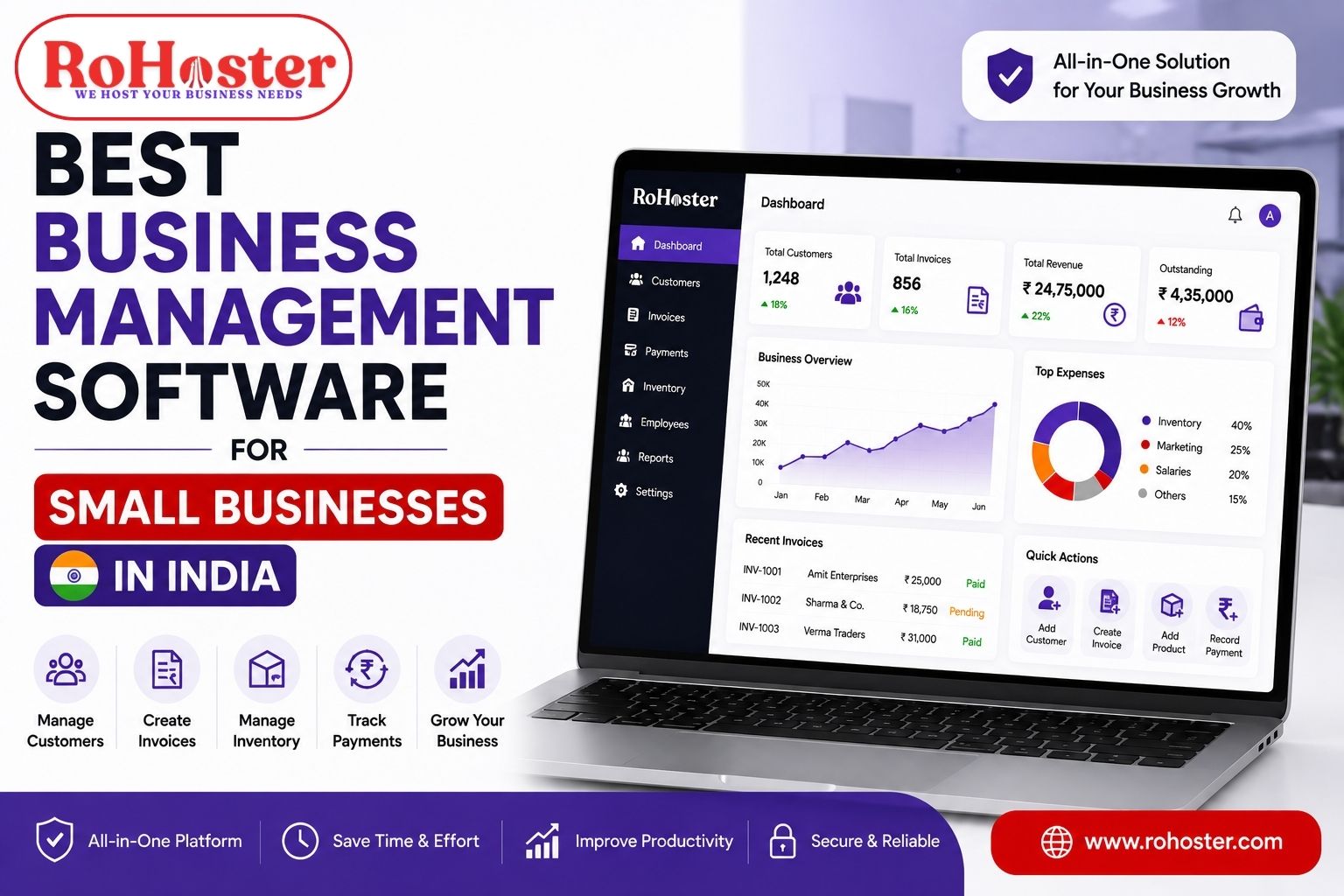
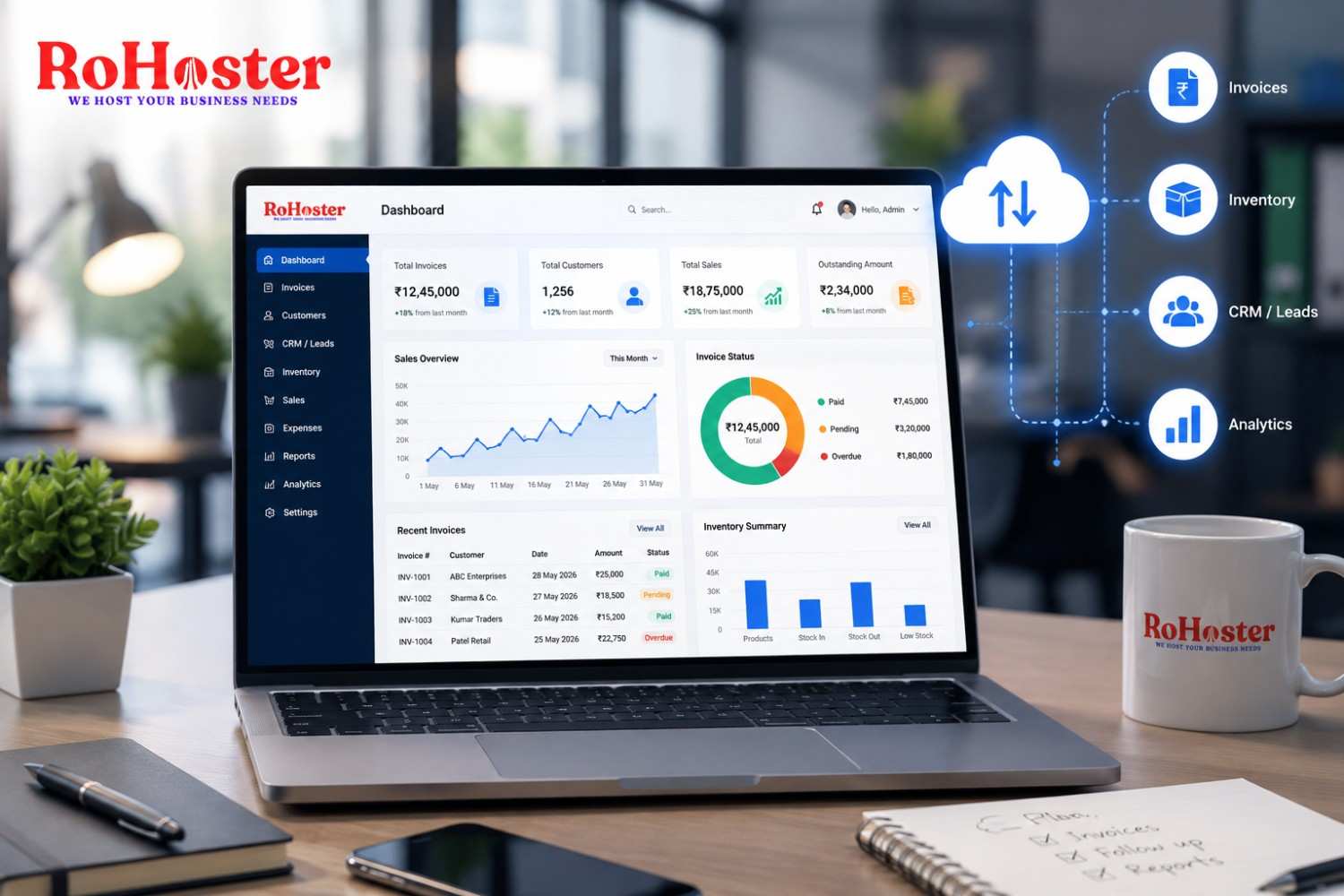
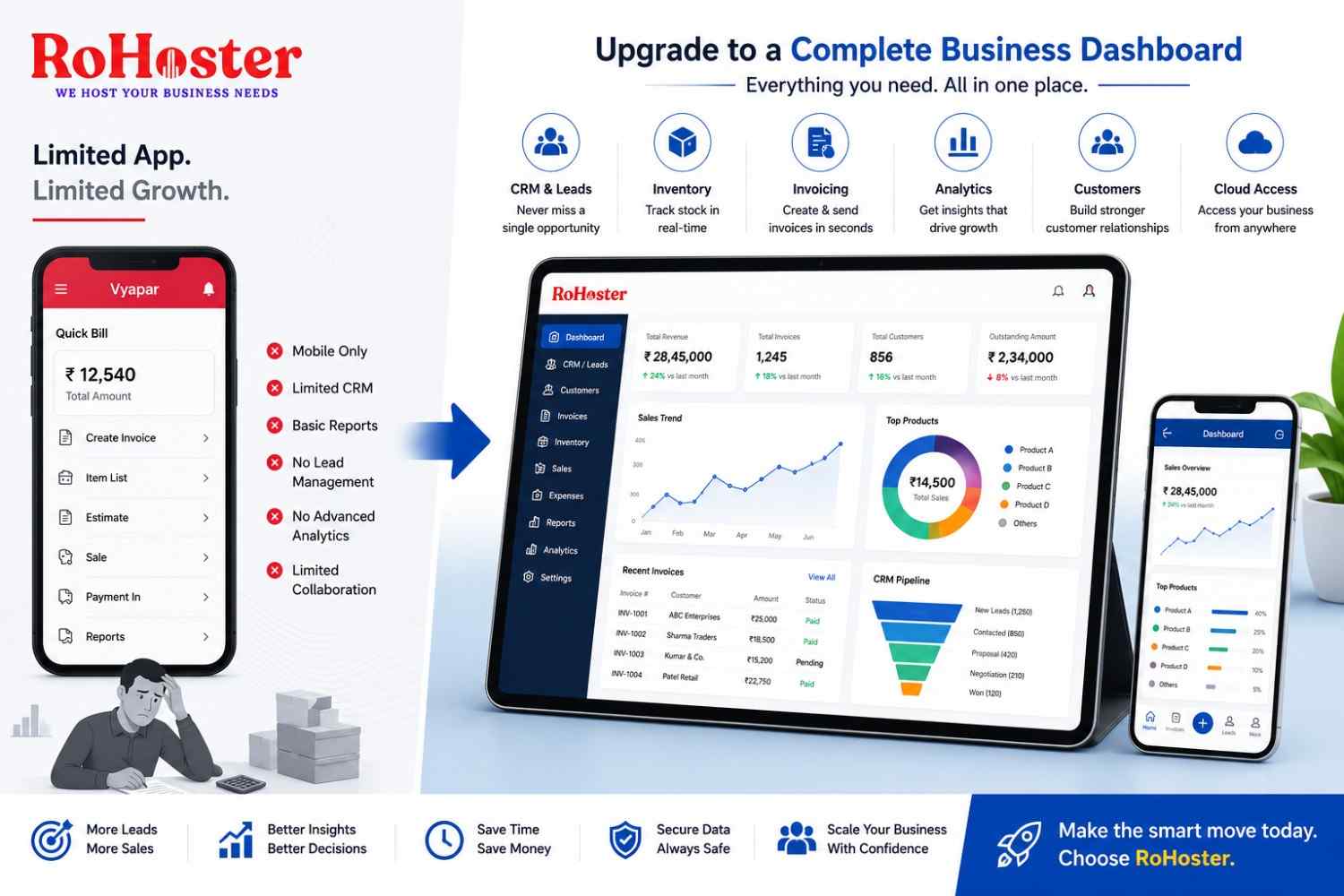
RoHoster helps SMEs centralize operations through one cloud-based business management platform.
Depending on business requirements, RoHoster can support:
GST Billing
Inventory Management
Customer Management
Lead Management
Purchase Management
Business Reports
Sales Tracking
Business Automation
Cloud Access
Multi-user Collaboration
Instead of searching across spreadsheets, notebooks, and disconnected applications, businesses can manage daily operations from one organized system.
Conclusion
Most business problems don't appear overnight.
They develop gradually through inefficient processes, scattered information, delayed decisions, and inconsistent workflows.
Businesses that identify these warning signs early gain a significant advantage.
Instead of constantly reacting to problems, they build systems that prevent many of them from happening in the first place.
Sustainable growth isn't about avoiding challenges.
It's about recognizing them early enough to respond with confidence.
Further Reading
Want more practical insights on business growth, operational excellence, and digital transformation?