Most business owners notice problems only after they become expensive.
A delayed order.
A missing payment.
An unhappy customer.
A stock shortage.
An incorrect invoice.
But these aren't usually the real problems.
They're symptoms of something deeper.
Behind almost every operational issue lies a poor business process.
The way orders are handled.
The way inventory is updated.
The way customers are followed up.
The way employees communicate.
The way information flows across the business.
Many SMEs don't lose money because they lack customers.
They lose money because inefficient processes quietly drain productivity every single day.
Every Small Delay Has a Cost
Imagine a salesperson searching five minutes for customer information.
A warehouse employee spends another ten minutes confirming stock.
Accounts waits for someone to send the purchase order.
Dispatch delays shipping because inventory wasn't updated.
Each delay seems insignificant.
But repeated hundreds of times every month, those lost minutes become lost revenue.
Improving business processes isn't about working faster.
It's about removing unnecessary work.
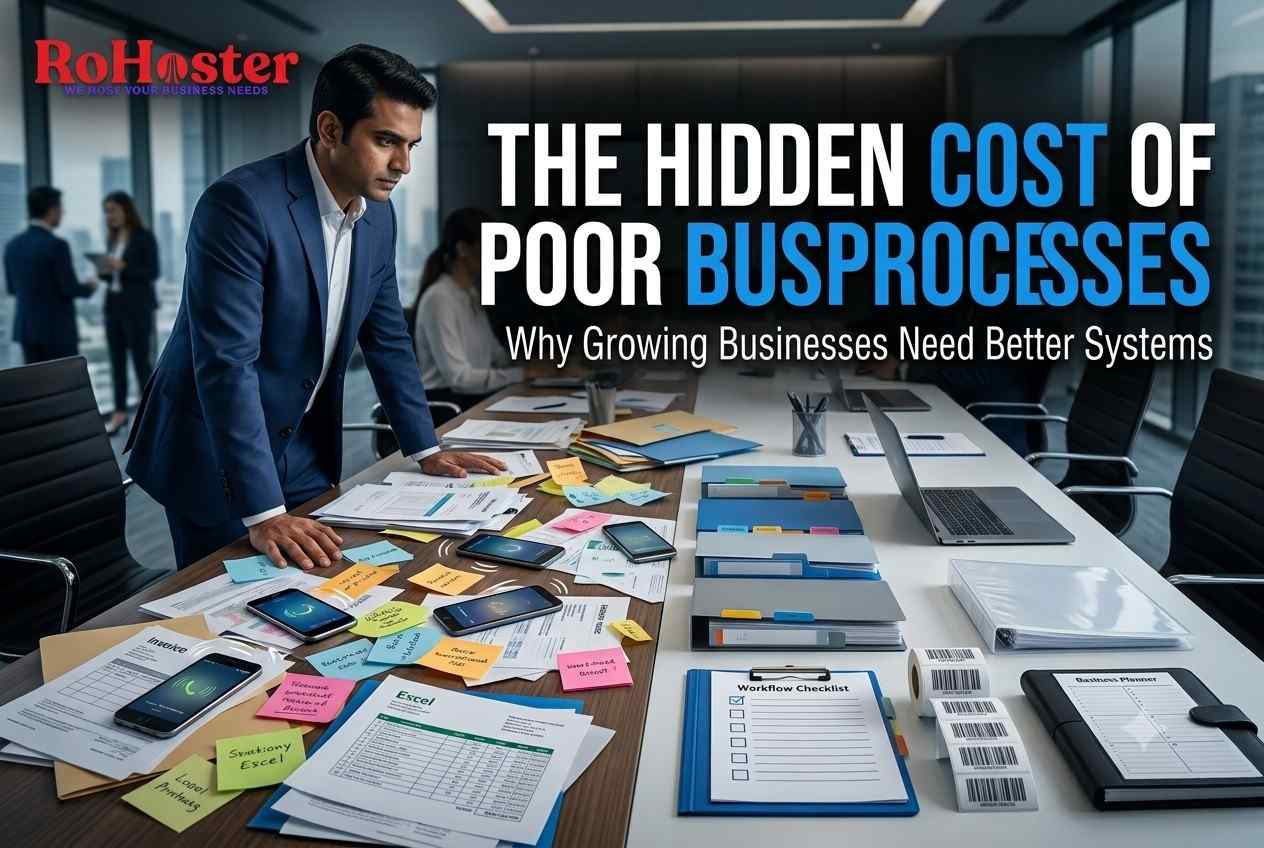
Manual Processes Create Invisible Expenses
Many businesses still depend on:
WhatsApp messages
Phone calls
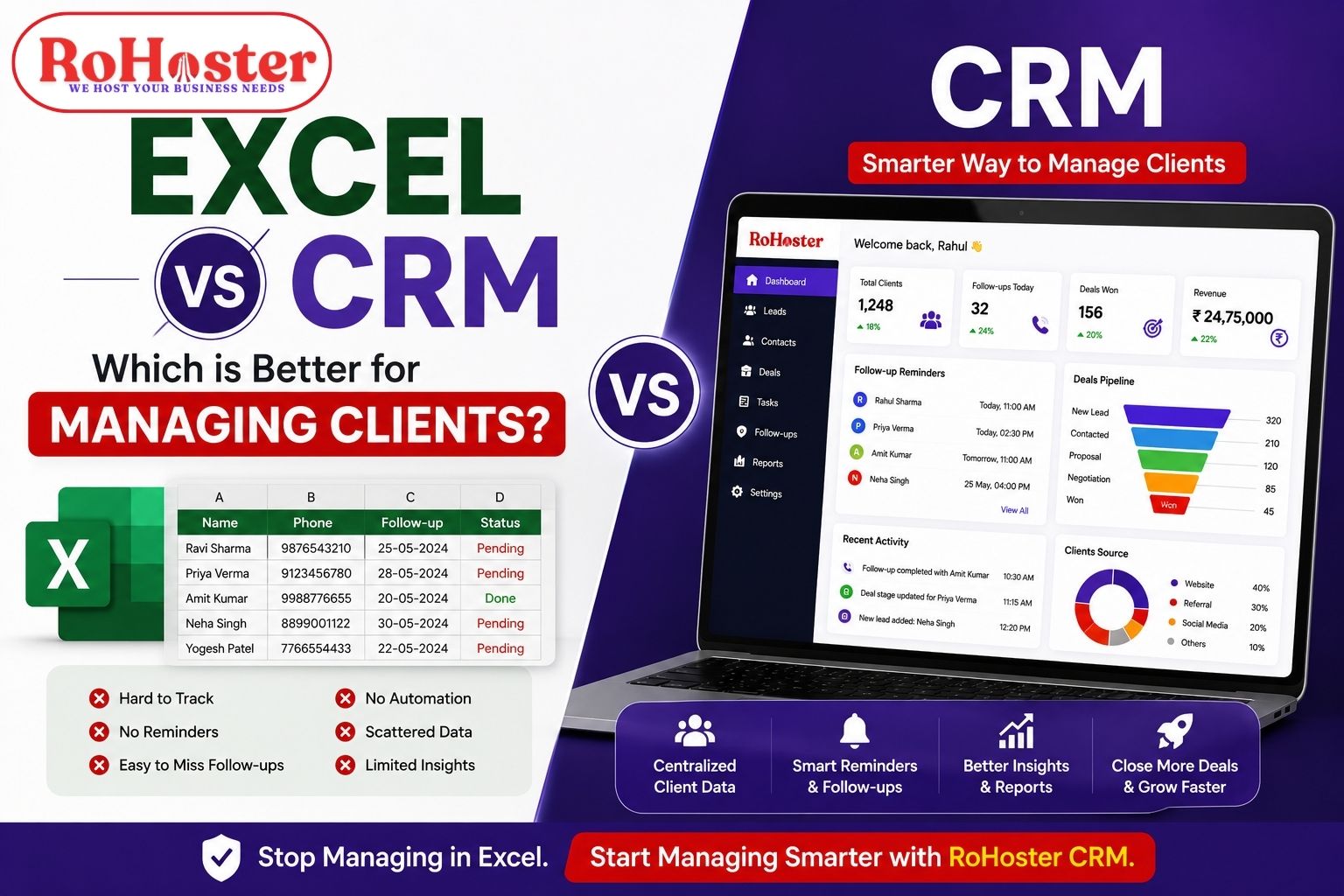
Excel sheets
Paper approvals
Physical registers
These tools aren't necessarily wrong.
The problem is that they rarely work together.
Information gets duplicated.
Tasks are forgotten.
Approvals are delayed.
Employees spend more time coordinating than completing work.
Standardized Processes Reduce Mistakes
Growing businesses benefit from clear workflows.
Instead of every employee doing things differently, everyone follows the same process.
For example:
Customer Enquiry
↓
Quotation
↓
Sales Order
↓
Inventory Check
↓
Invoice
↓
Dispatch
↓
Customer Follow-up
Simple workflows reduce confusion while improving consistency.
Poor Communication Slows Growth
One of the biggest operational challenges isn't technology.
It's communication.
Sales doesn't know inventory status.
Warehouse doesn't know customer priorities.
Accounts doesn't know dispatch schedules.
Management doesn't know where delays occurred.
Connected business systems help departments work from the same information rather than separate records.
Measure Your Processes
Business owners often measure sales.
Far fewer measure operational efficiency.
Useful questions include:
How long does it take to process an order?
How quickly are invoices generated?
How many customer enquiries receive follow-up?
How many inventory errors occur each month?
What gets measured gets improved.
Technology Supports Better Processes
Software should never replace good processes.
Instead, it should strengthen them.
Organized business management software allows businesses to centralize information, reduce manual work, and improve collaboration across departments.
Better Reports Create Better Processes
Operational improvements begin with visibility.
Business reports reveal:
Delayed orders
Slow-moving inventory
Customer trends
Employee performance
Expense patterns
Businesses that review reports regularly identify process problems much earlier.
Read The 3 Critical Business Reports Every Wholesale Distributor Must Review Weekly to understand how structured reporting supports continuous improvement.
Automation Removes Repetitive Work
Many administrative tasks don't require constant manual effort.
Examples include:
Payment reminders
Inventory alerts
Daily reports
Invoice generation
Customer notifications
Automating repetitive work improves consistency while allowing employees to focus on higher-value activities.
Learn practical automation strategies in How to Automate 80% of Daily Repetitive Tasks in a Growing Indian SME.
Customer Experience Depends on Internal Processes
Customers rarely see your internal operations.
But they experience the results.
Late deliveries.
Incorrect invoices.
Stock shortages.
Poor communication.
Fast-growing businesses understand that improving internal processes almost always improves customer satisfaction.
Better Customer Information Creates Better Service
Customer records should include:
Purchase history
Communication history
Previous invoices
Outstanding payments
Organized customer information makes follow-ups faster and more personalized.
Our article How Local Retailers Can Use Customer Purchase History to Drive Repeat Sales explains how structured customer data strengthens long-term relationships.
Growth Requires Operational Discipline
Businesses don't become successful because they work harder forever.
They become successful because they build systems that produce consistent results.
The goal isn't simply to remove paperwork.
It's to create an organization where information moves quickly, employees know their responsibilities, and customers receive reliable service.
How RoHoster Helps
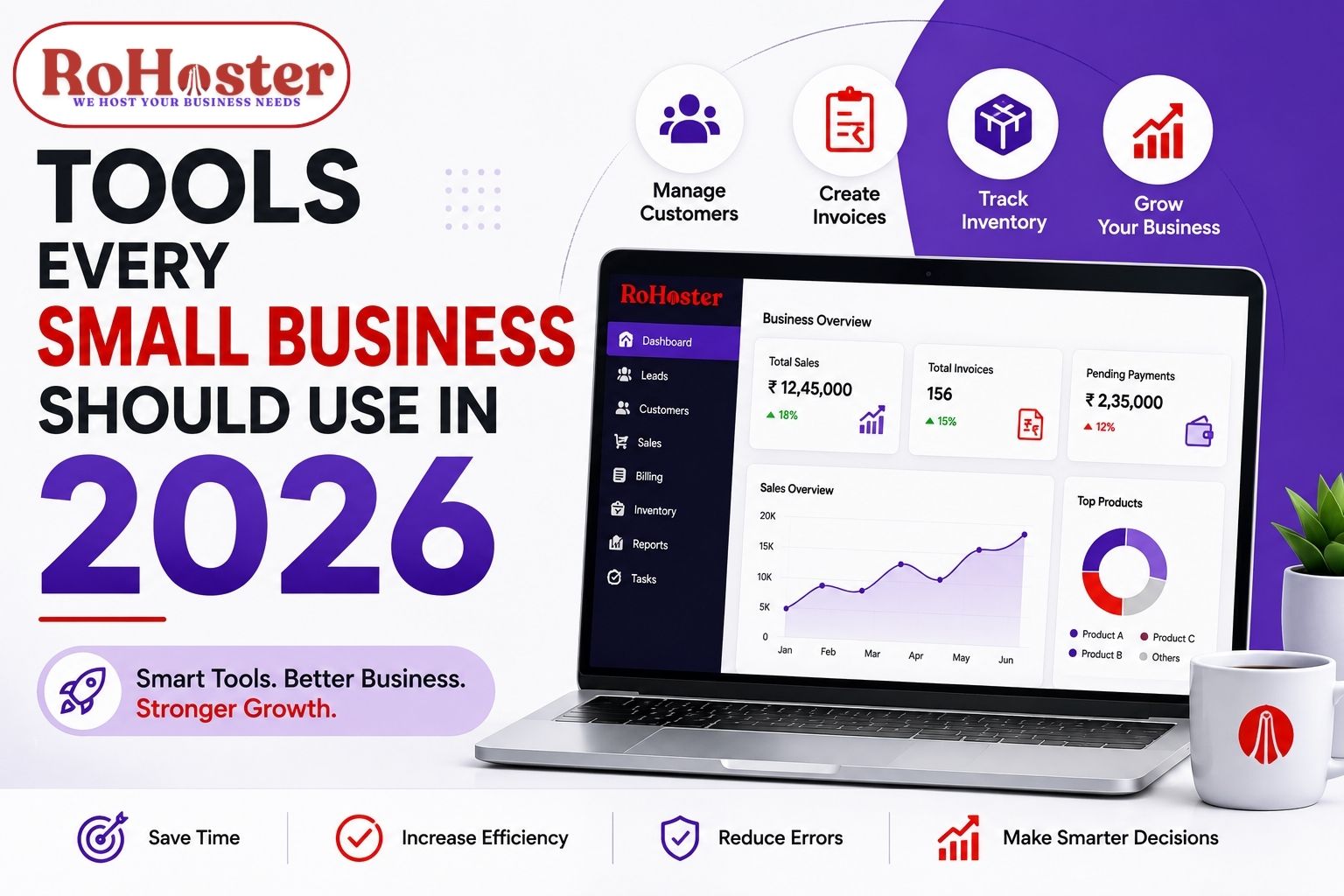
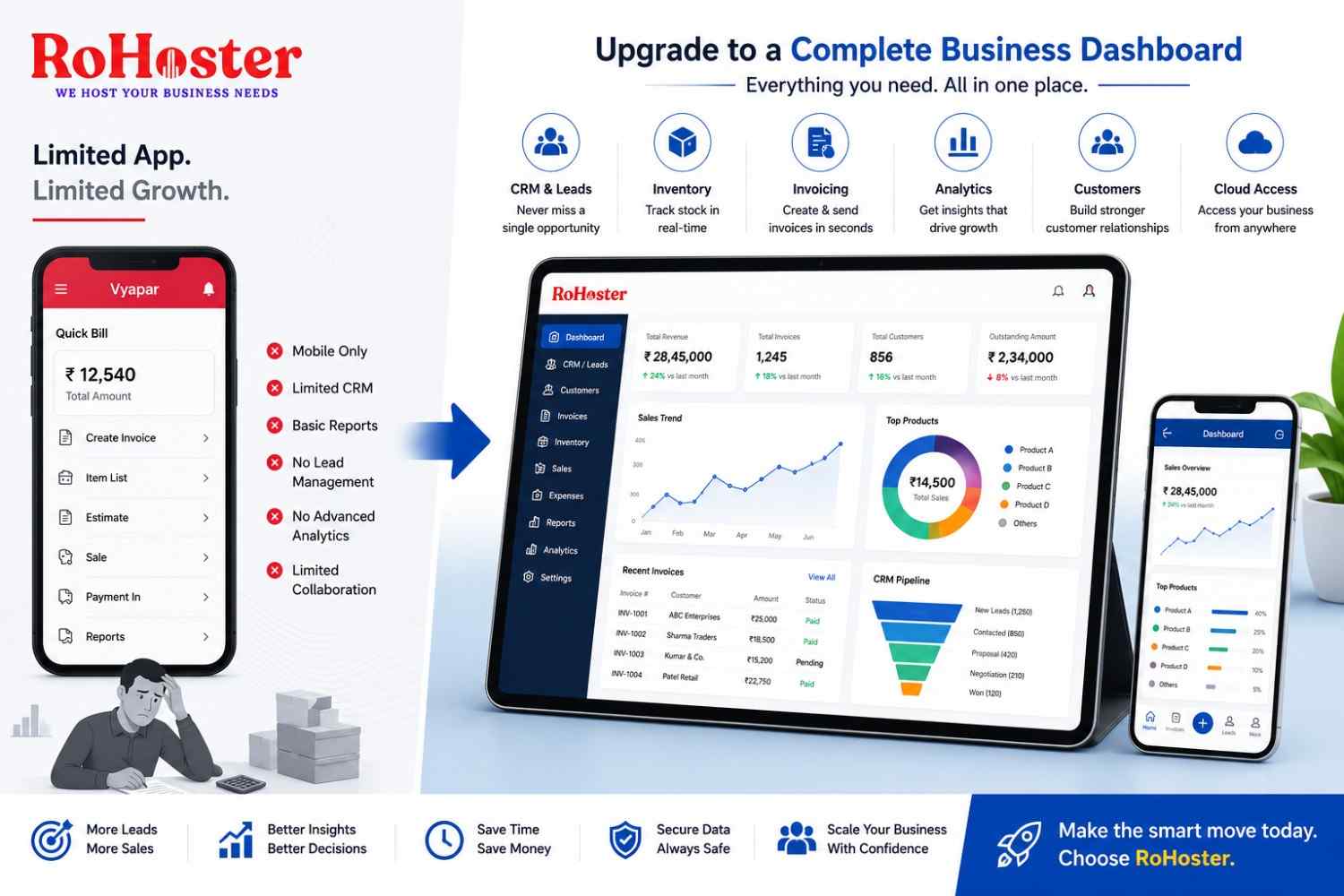
RoHoster helps businesses organize operations through one centralized cloud platform.
Depending on business requirements, RoHoster can support:
Billing
Inventory
Customer Management
Lead Management
Purchase Management
Business Reports
Multi-user Collaboration
Business Automation
Cloud Access
Instead of managing disconnected processes, businesses gain one organized operational system.
Conclusion
Poor business processes rarely create one dramatic failure.
Instead, they quietly reduce productivity, increase costs, and slow growth over time.
Businesses that invest in better workflows, better reporting, and better operational discipline create stronger foundations for long-term success.
Because sustainable growth isn't built on working harder.
It's built on working smarter.
Further Reading
Read more practical business growth articles and operational insights on the RoHoster LinkedIn page