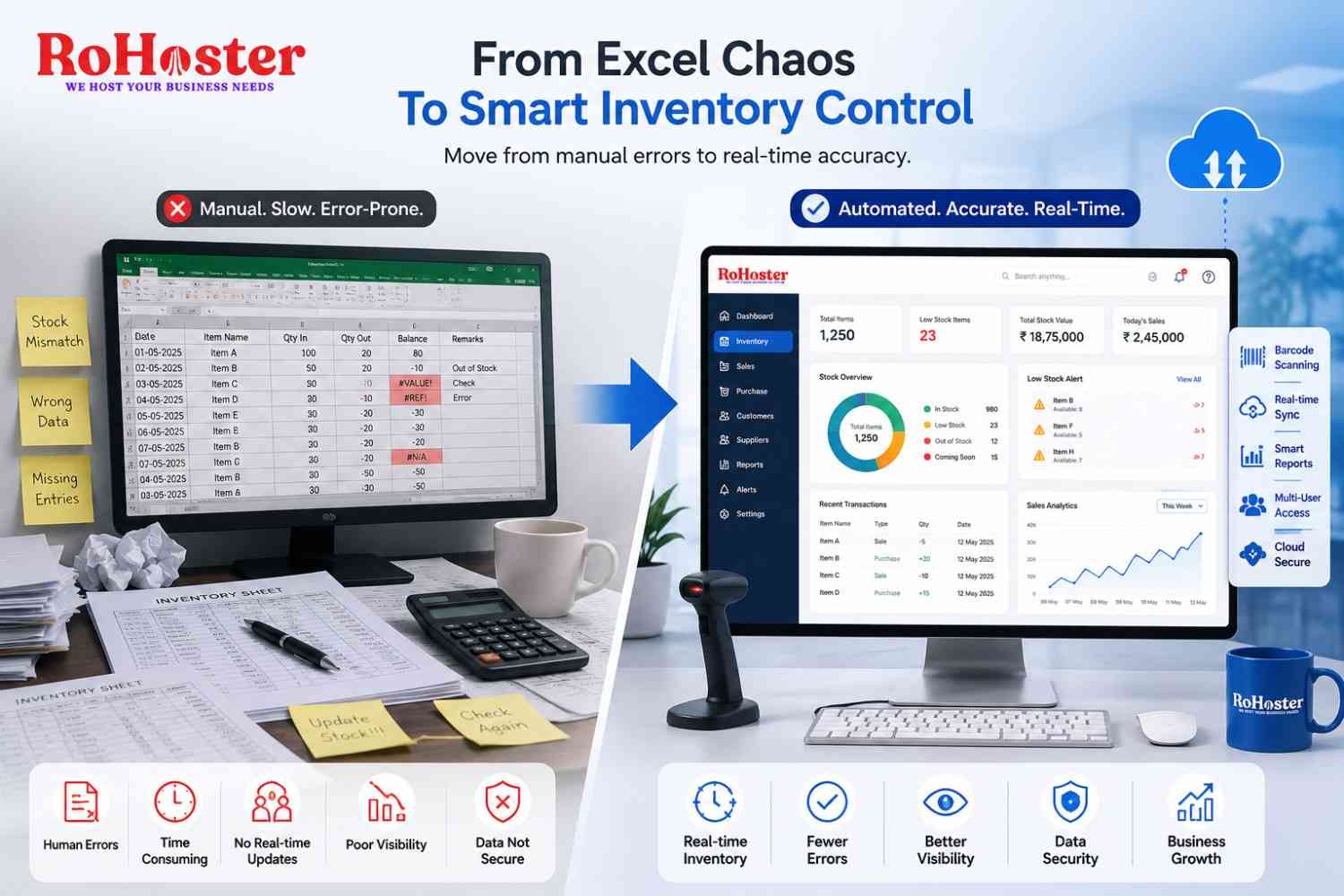
For many retailers, Microsoft Excel has been the default tool for tracking inventory. It's familiar, easy to use, and seems like an affordable solution when your business is just getting started. But as your inventory grows, spreadsheets often become a hidden source of inefficiency, costly mistakes, and missed opportunities.
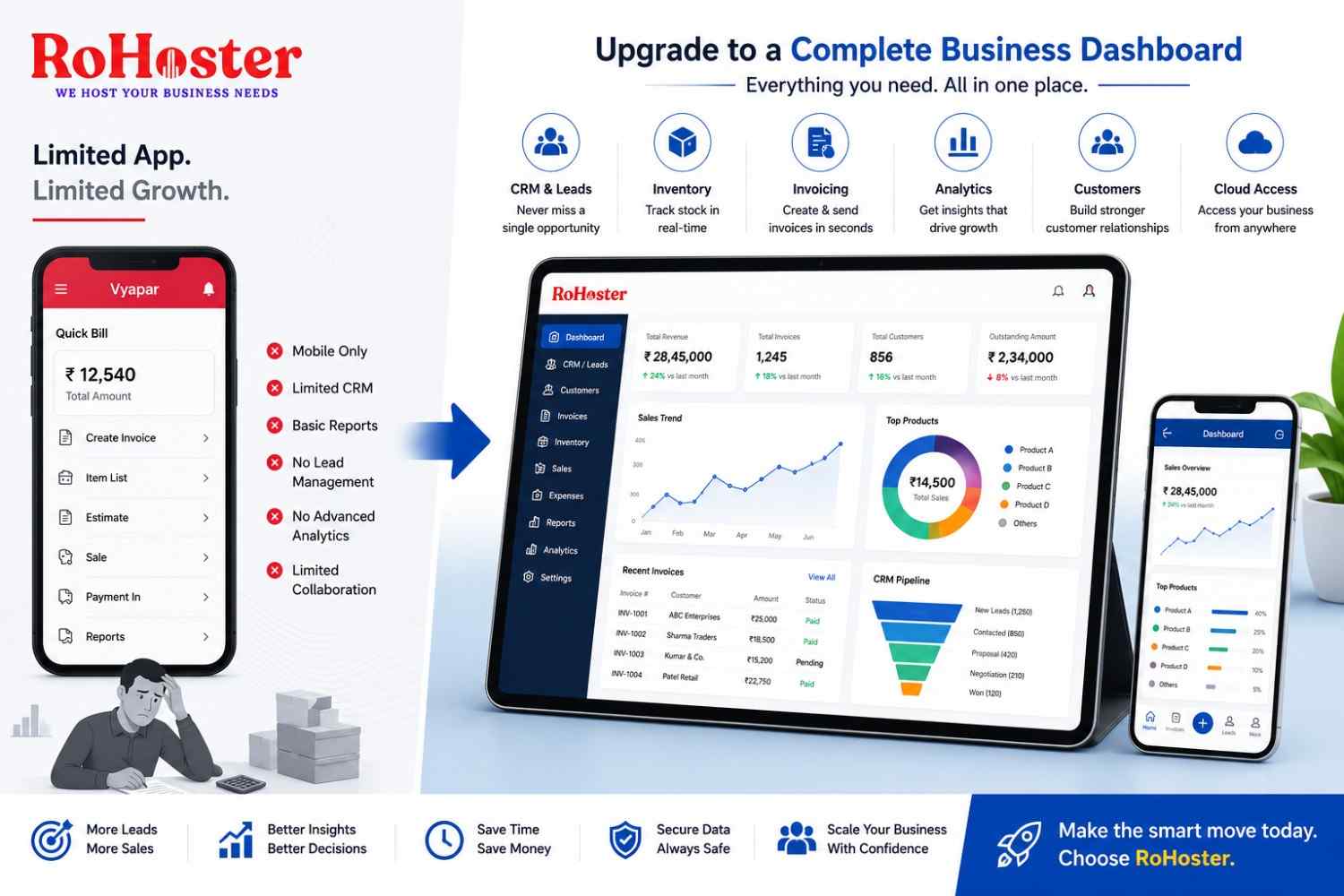
Today's retailers need much more than a simple stock tracker. They need business management software that combines inventory management, GST billing, CRM, lead management, customer insights, and real-time analytics into one platform.
If you're still managing stock in Excel, here's why it's probably costing your business more than you think.
Excel Was Built for Calculations, Not Retail Operations
Excel is excellent for organizing data, but retail businesses generate live information every minute.
Every sale changes inventory.
Every purchase updates stock levels.
Every return affects your reports.
Every new customer creates valuable business data.
Keeping all of this updated manually isn't just time-consuming—it increases the chances of human error.
As businesses grow, spreadsheets become increasingly difficult to maintain, especially when multiple employees need access to the same information.
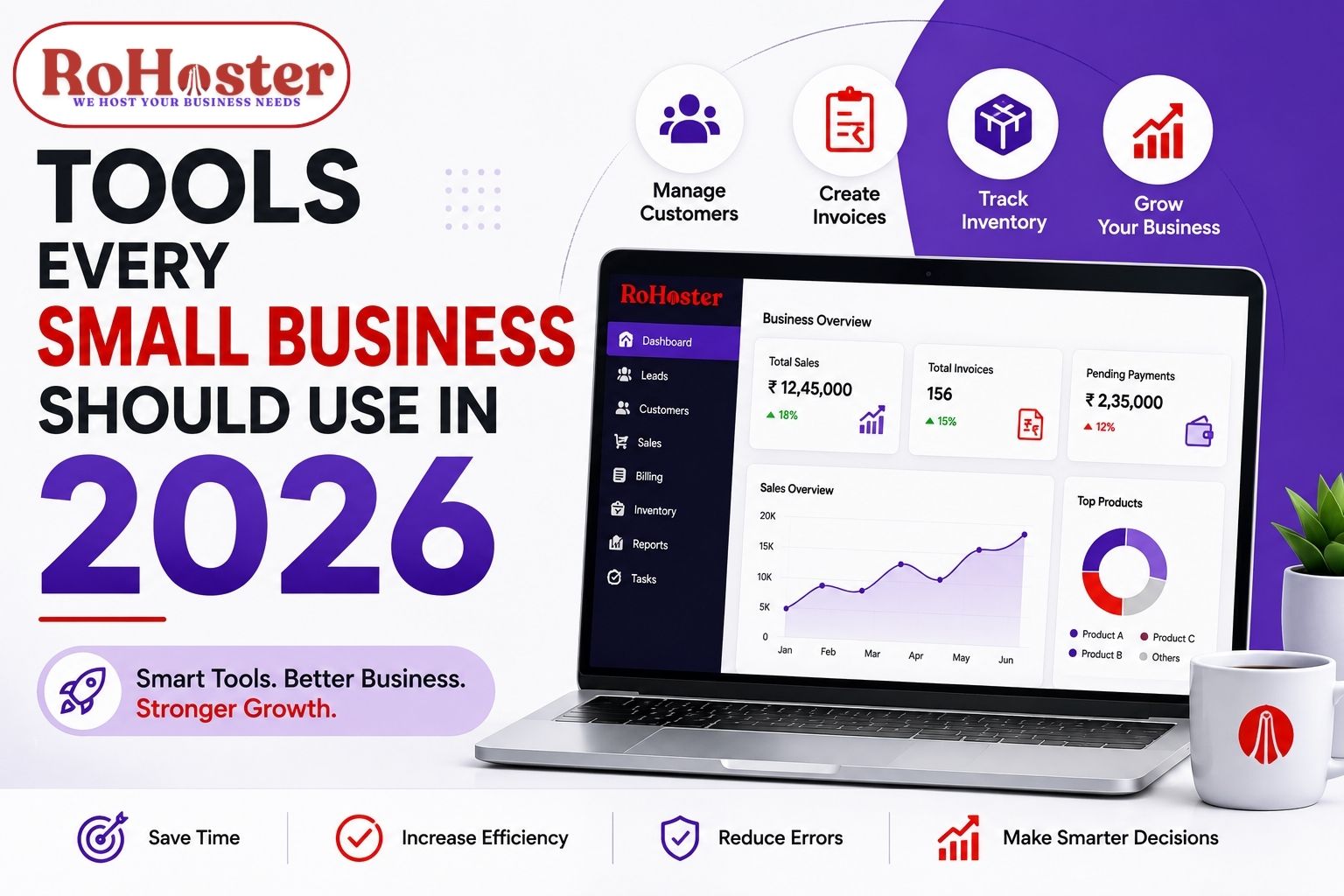
Many businesses reach this stage and begin exploring software for small business that automates inventory, billing, and reporting instead of relying on manual spreadsheets.
Small Errors Can Lead to Big Losses
One incorrect formula or accidental deletion can throw off your inventory records.
Retailers commonly experience:
Incorrect stock quantities
Duplicate product entries
Missed reorder points
Overselling products
Manual calculation errors
These issues don't just affect inventory—they impact customer satisfaction and profitability.
Modern inventory management software eliminates these manual errors by automatically updating stock whenever a transaction occurs.
Inventory Alone Doesn't Run a Business
One of the biggest misconceptions among retailers is that inventory management is all they need.
In reality, successful businesses also require:
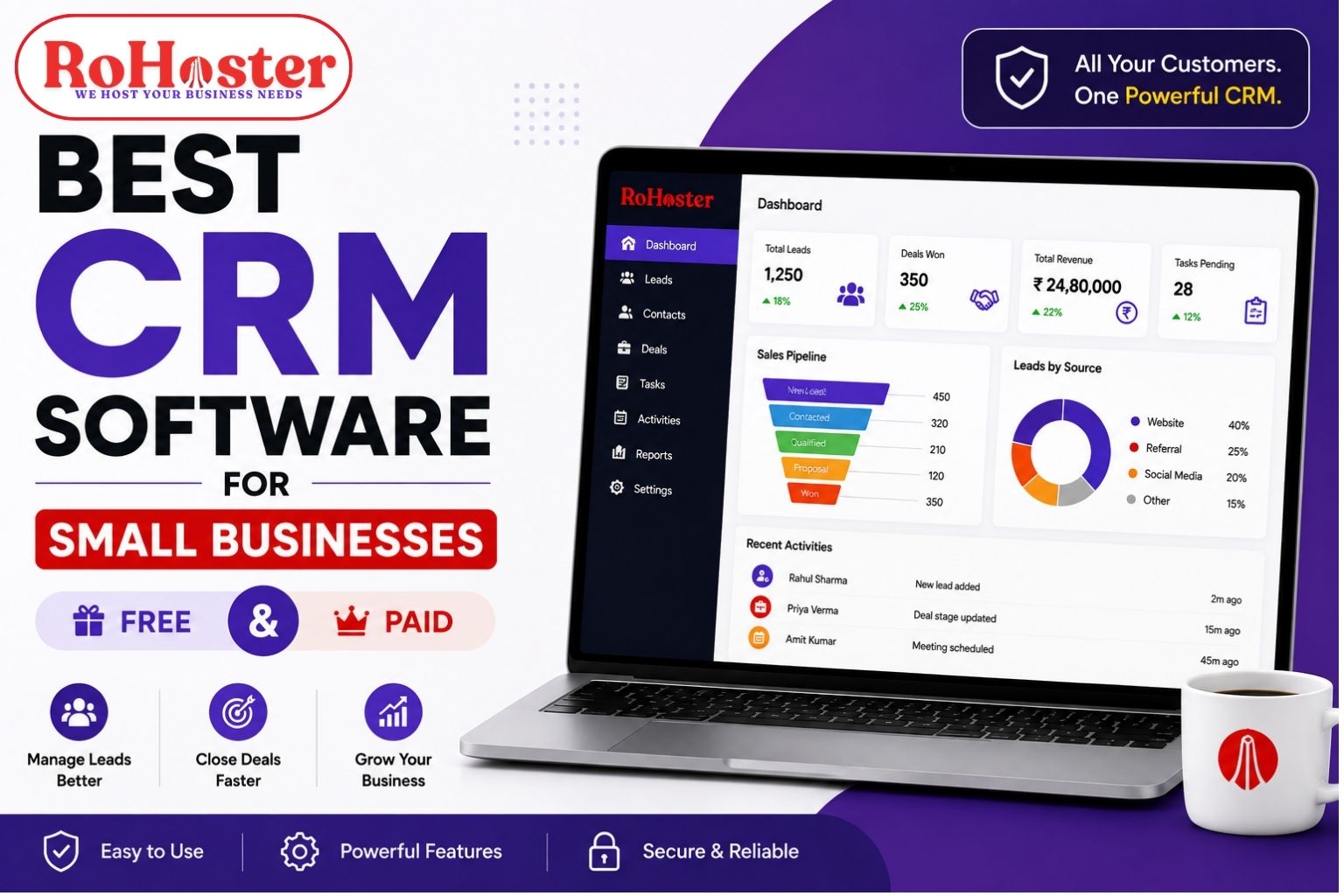
CRM software to manage customers
Lead management to track enquiries
GST billing software
Sales reports
Customer purchase history
Business analytics
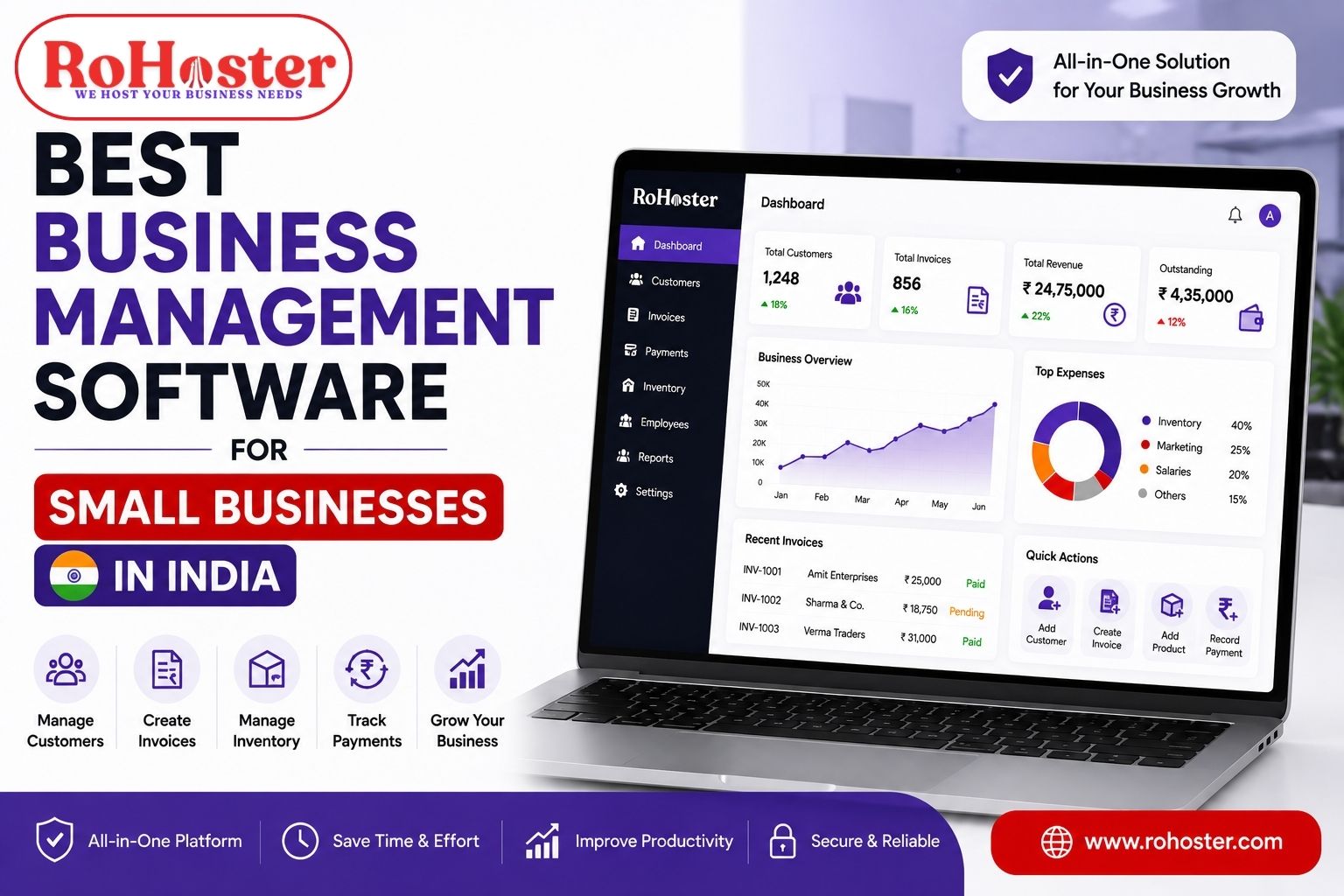
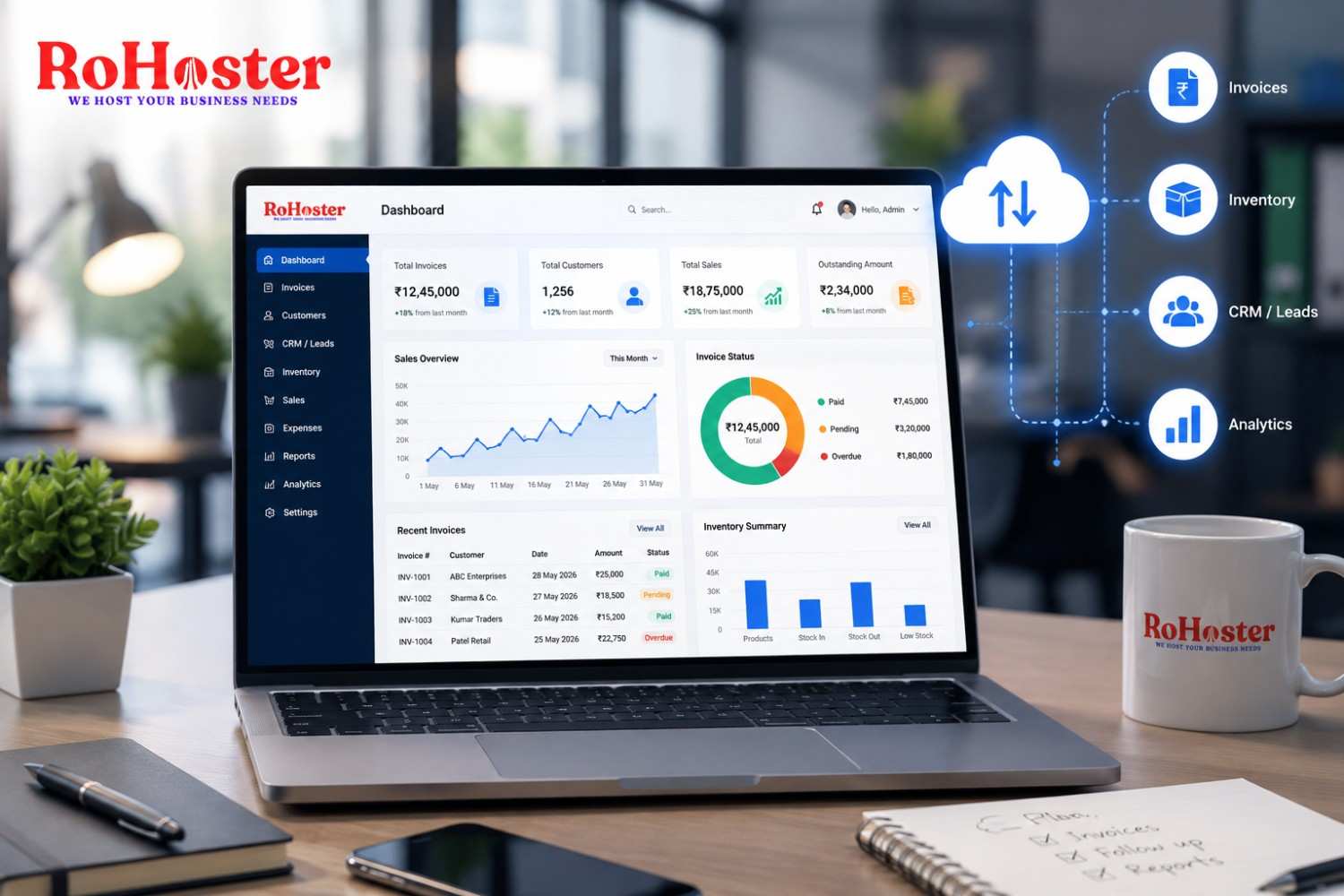
Instead of managing each function separately, modern business management software connects everything into one dashboard.
If you're currently evaluating complete solutions, you may also find our article on Best Business Management Software for Small Businesses in India helpful, where we compare the features growing businesses should prioritize before investing in a platform.
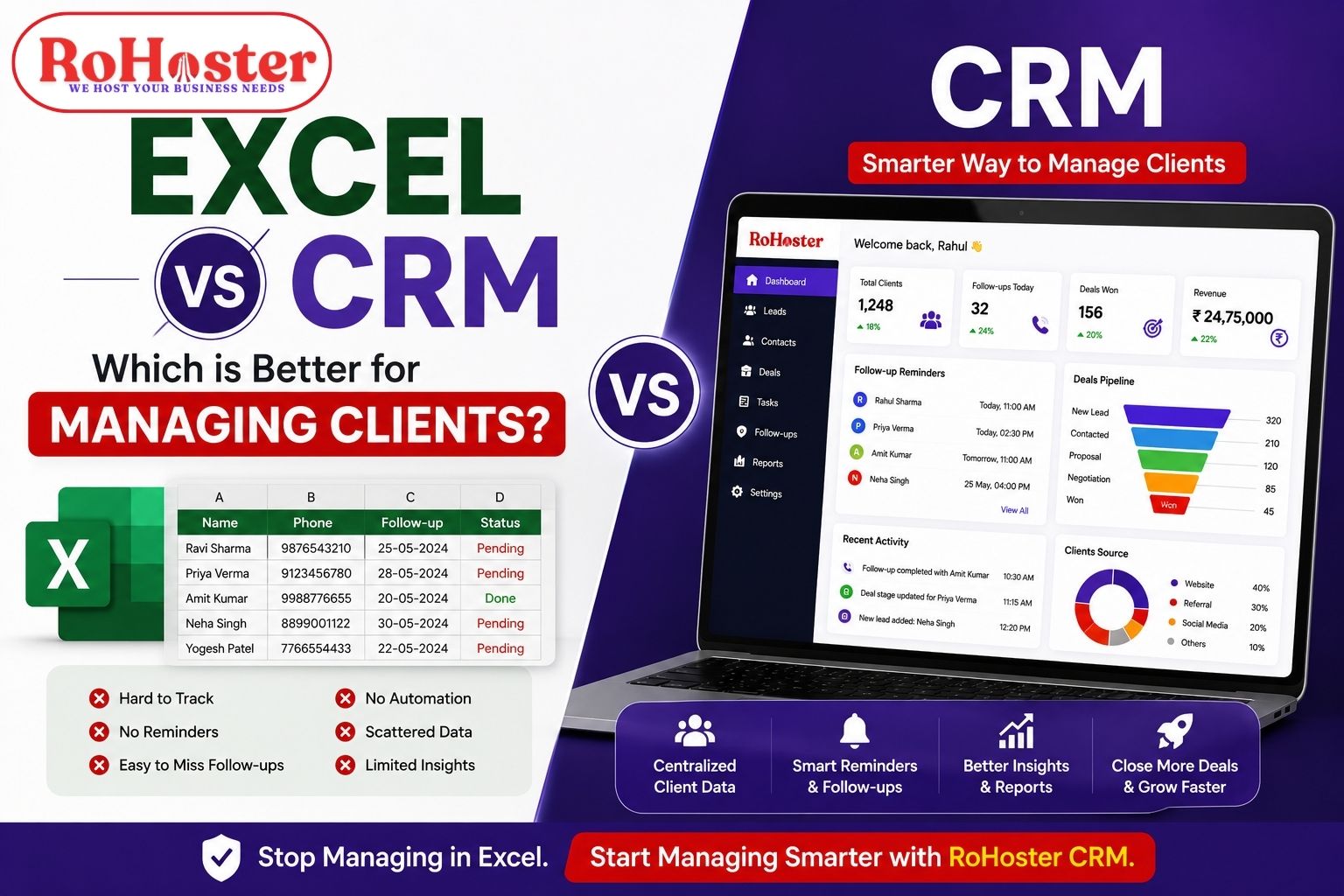
Customer Information Shouldn't Live in Excel
Many retailers continue maintaining customer records in spreadsheets long after they've outgrown them.
This creates several problems:
Lost customer history
No follow-up reminders
Duplicate records
No sales tracking
No customer insights
A dedicated CRM software helps businesses organize customer interactions, improve repeat sales, and strengthen relationships.
If you're unsure whether it's worth making the switch, our article Excel vs CRM – Which Is Better for Managing Clients? explains why thousands of businesses are replacing spreadsheets with modern CRM solutions.
Retail Growth Requires Better Inventory Visibility
Imagine discovering you're out of your best-selling product only after a customer walks into your store.
Or ordering inventory you already had because your spreadsheet wasn't updated.
Cloud-based inventory management software prevents these situations through:
Real-time inventory updates
Low-stock alerts
Purchase tracking
Supplier management
Barcode support
Automated stock adjustments
Instead of reacting to inventory problems, businesses can proactively manage them.
Billing, Inventory and CRM Work Better Together
Retail software should do more than generate invoices.
A modern software for small business integrates:
Inventory Management
GST Billing
CRM
Lead Management
Customer Database
Sales Analytics
Purchase Reports
Business Intelligence
Everything works together automatically, eliminating duplicate work and reducing administrative effort.
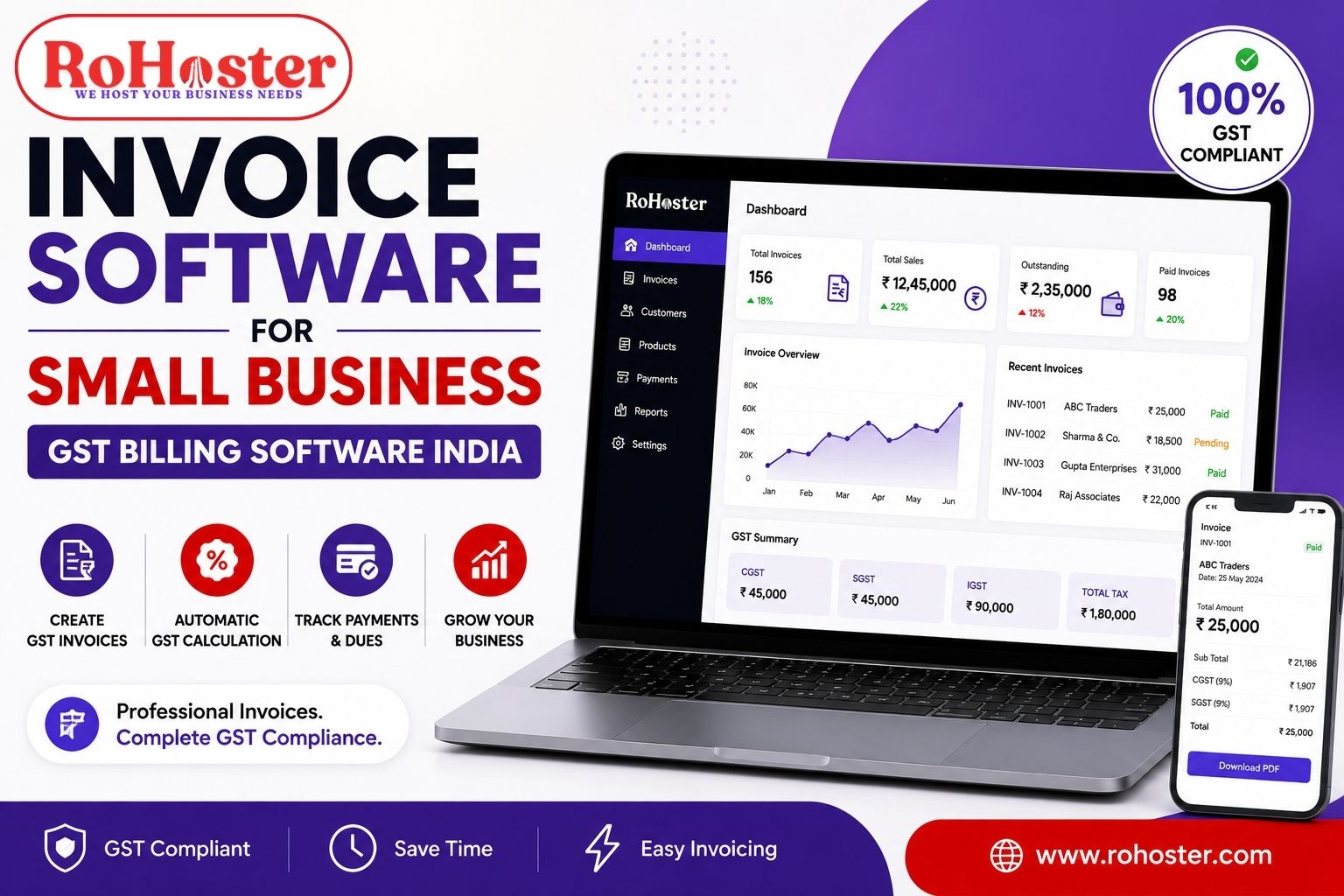
If invoicing is one of your biggest operational challenges, don't miss our article on Invoice Software for Small Business (GST Billing Software India), where we explain how integrated billing software helps businesses save time while remaining GST compliant.
Better Customer Follow-Ups Mean Better Sales
Many retailers lose repeat business simply because there is no system for customer follow-ups.
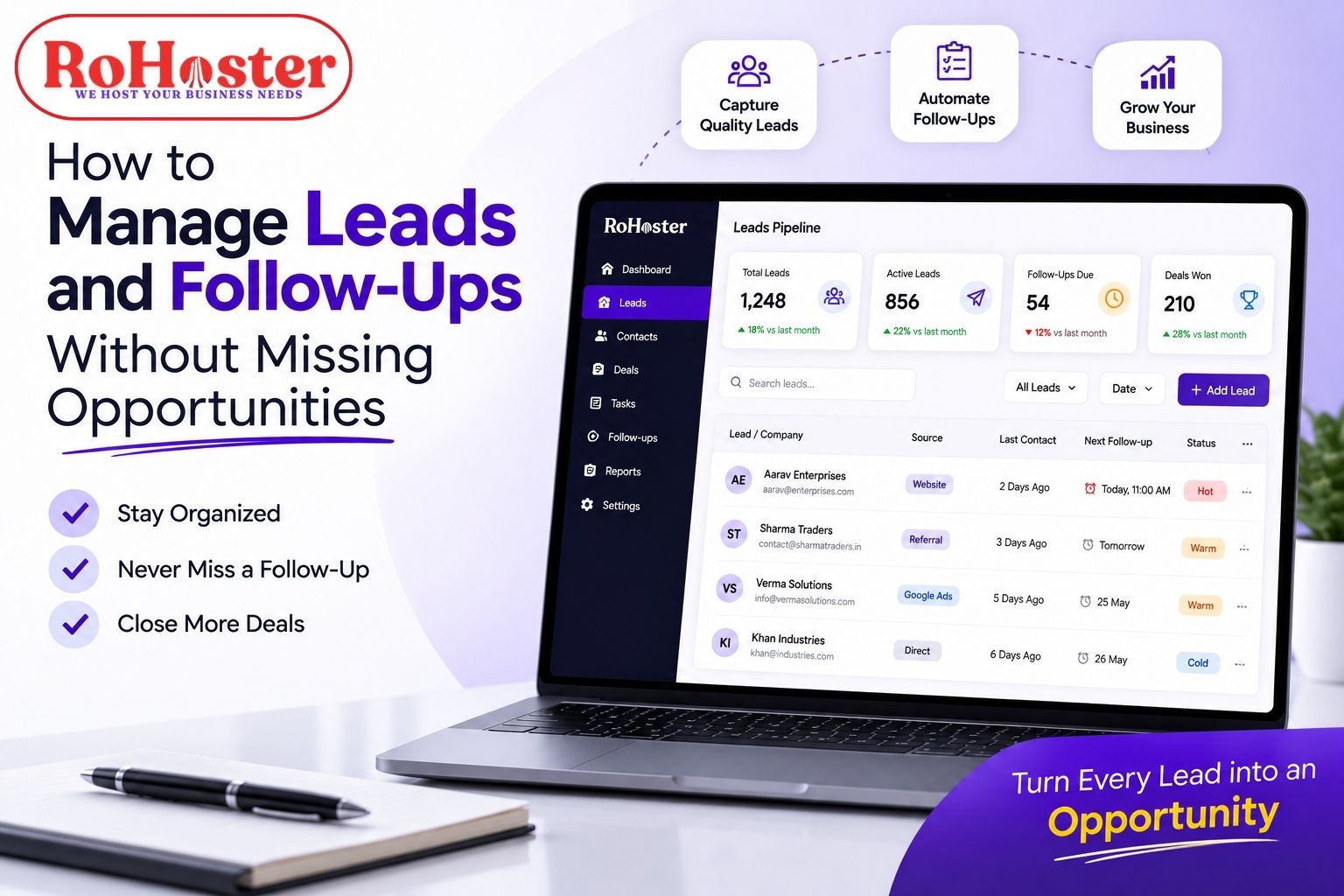
Modern lead management tools allow businesses to:
Track enquiries
Schedule reminders
Monitor sales opportunities
Build customer loyalty
Instead of relying on memory or handwritten notes, businesses can automate the entire follow-up process.
To learn practical strategies that improve conversions, read our guide How to Manage Leads and Follow-Ups Without Missing Opportunities.
One Platform Instead of Five Different Tools
Many retailers today still use:
Excel for inventory
Another application for billing
WhatsApp for customer communication
Notebooks for follow-ups
Separate software for reports
This fragmented approach creates unnecessary complexity.
An integrated business management software brings every department together into one secure cloud platform, giving business owners complete visibility over their operations while significantly reducing manual work.
Instead of spending hours updating spreadsheets, retailers can focus on improving customer experience, increasing sales, and growing their business.
Why RoHoster Is Built for Growing Retail Businesses
RoHoster is designed for businesses that want to simplify operations without juggling multiple applications.
With a single cloud-based dashboard, retailers can manage:
Inventory Management
GST Billing
CRM Software
Lead Management
Sales Reports
Customer Database
Business Analytics
Multi-user Access
Cloud-Based Operations
Whether you're operating a single retail outlet or expanding into multiple locations, RoHoster provides the flexibility and scalability modern businesses need.
Conclusion
Excel has helped businesses organize inventory for years, but retail operations have evolved. Managing inventory manually not only consumes valuable time but also increases the risk of costly errors, inconsistent data, and missed sales opportunities.
Switching to modern business management software allows retailers to automate inventory, streamline GST billing, improve lead management, strengthen customer relationships through CRM software, and gain real-time visibility into every aspect of their business.
The result is fewer manual tasks, better decision-making, and more time to focus on sustainable growth.
Further Reading
Looking for more practical insights on digitizing your business and adopting smarter business management practices?
📖 Read our latest articles and expert insights on LinkedIn:
Launching a Business? Your website isn't just a website - It's your first business asset