Ask any new entrepreneur about their biggest priority, and you'll probably hear the same answer:
"More sales."
Sales are important.
Without customers, there is no business.
But after a certain point, growth depends on something far less visible.
Systems.
The businesses that continue growing year after year aren't simply the ones with the best products or the largest marketing budgets.
They're the ones that build reliable systems behind every sale.
Sales Bring Revenue. Systems Protect It.
Imagine two businesses generating the same monthly revenue.
The first depends entirely on the owner's daily involvement.
The second follows standardized processes.
Orders are handled consistently.
Inventory updates automatically.
Employees know their responsibilities.
Customer follow-ups happen on time.
If both businesses suddenly double their sales, which one is more likely to succeed?
The answer is usually the business with stronger systems.
What Are Business Systems?
A business system is simply a repeatable way of completing work.
Instead of relying on memory or individual habits, the business follows clear processes.
Examples include:
Handling customer enquiries
Creating quotations
Managing inventory
Approving purchases
Processing invoices
Collecting payments
Following up after delivery
When these activities become standardized, the business becomes more predictable and easier to manage.
Growth Creates Complexity
Every new customer creates more work.
Every new employee adds coordination.
Every new product increases inventory management.
Every new supplier adds purchasing decisions.
Without systems, complexity grows faster than the business itself.
That is why many SMEs experience a plateau even when demand remains strong.
Build Processes Before You Need Them
Many businesses wait until operations become chaotic before improving their systems.
A better approach is to prepare early.
Document routine activities.
Define responsibilities.
Create approval processes.
Standardize customer communication.
Businesses that prepare for growth usually handle expansion much more smoothly.
Don't Let Knowledge Stay in One Person's Head
One common challenge in SMEs is that important knowledge often belongs to one employee—or the owner.
When that person is unavailable, work slows down.
Strong systems ensure knowledge becomes part of the business instead of remaining with individuals.
This improves continuity and reduces operational risk.
Better Systems Improve Customer Experience
Customers may never see your internal processes.
But they experience the results.
Fast responses.
Accurate invoices.
Reliable delivery.
Consistent communication.
Professional service.
Improving internal systems almost always improves customer satisfaction.
Measure the Process, Not Just the Result
Many businesses measure only sales.
Successful businesses also measure:
Order processing time
Customer response time
Delivery accuracy
Inventory accuracy
Collection period
Customer retention
These indicators reveal how healthy the business really is.
Our article The Business Owner's Weekly Checklist: 15 Numbers You Should Never Ignore explains which operational metrics deserve regular attention.
Standard Operating Procedures (SOPs) Create Consistency
As businesses grow, employees need clear guidance.
SOPs help ensure tasks are completed consistently regardless of who performs them.
Examples include:
Opening and closing procedures
Customer complaint handling
Inventory verification
Billing processes
Supplier approvals
Consistency reduces mistakes and improves efficiency.
Automation Strengthens Good Systems
Automation should improve existing processes—not replace them.
Once workflows are standardized, repetitive tasks such as invoice generation, payment reminders, stock alerts, and recurring reports can be automated.
Our guide How to Automate 80% of Daily Repetitive Tasks in a Growing Indian SME explains how automation supports better operational efficiency.
Reports Help You Improve Systems
Good systems generate useful information.
Business reports reveal:
Bottlenecks
Delays
High-performing products
Customer trends
Expense patterns
These insights allow businesses to refine their processes continuously.
Our article The 3 Critical Business Reports Every Wholesale Distributor Must Review Weekly explains how structured reporting supports smarter decision-making.
Technology Is a Tool—Not the Strategy
Business software doesn't create successful businesses by itself.
It supports the systems that already exist.
When businesses have organized workflows, technology helps them become faster, more accurate, and more scalable.
Without good processes, even the best software cannot solve every operational challenge.
How RoHoster Helps
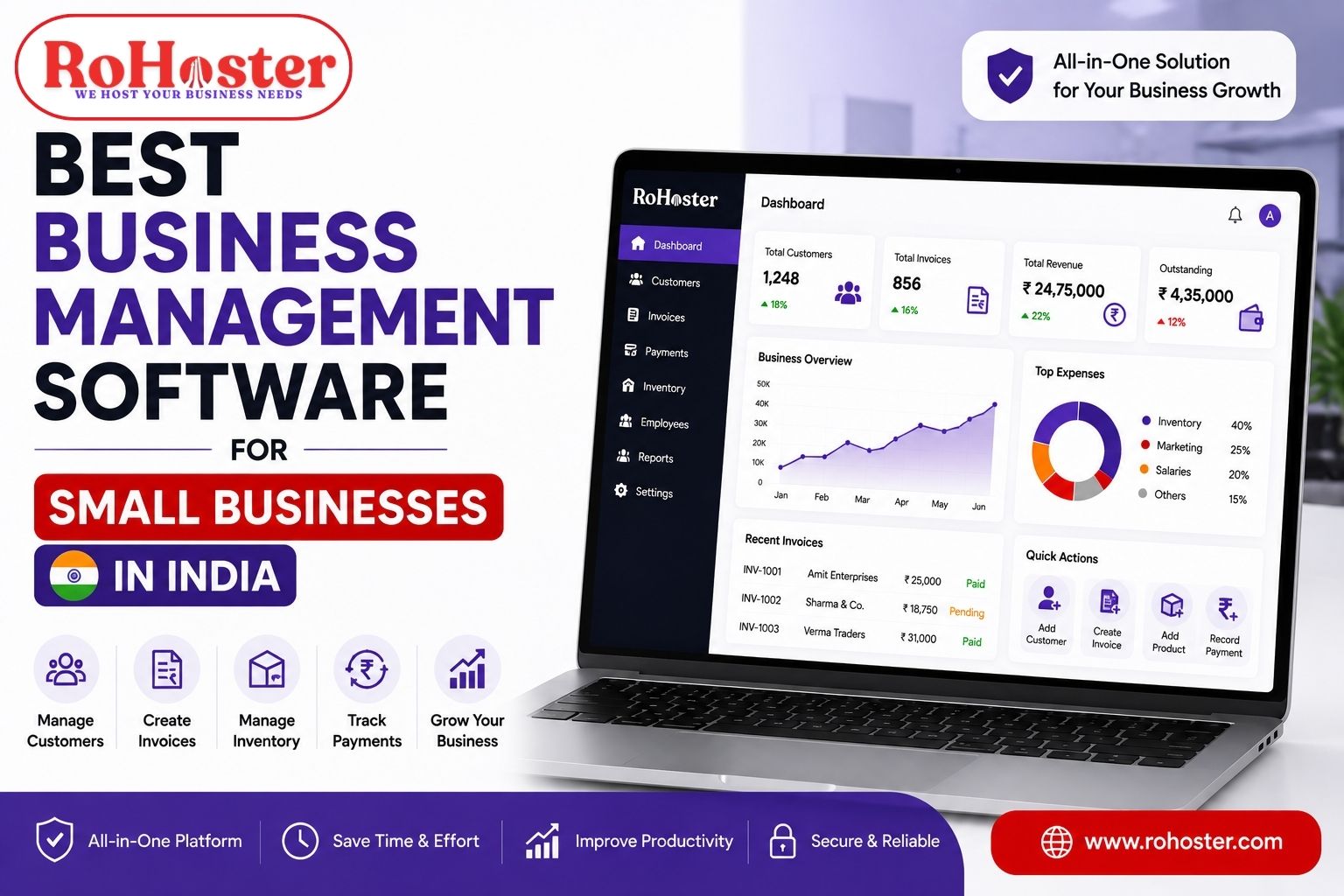
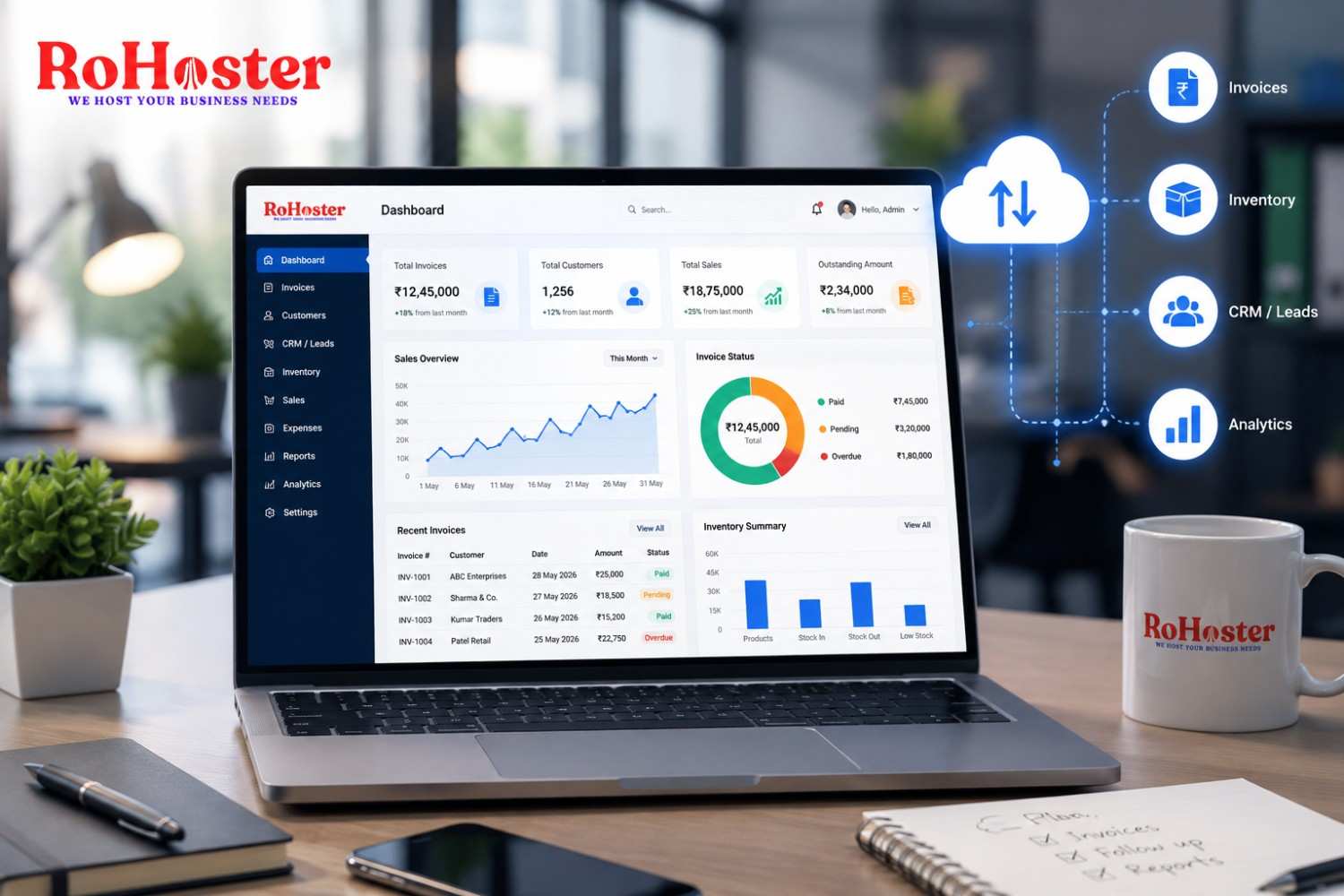
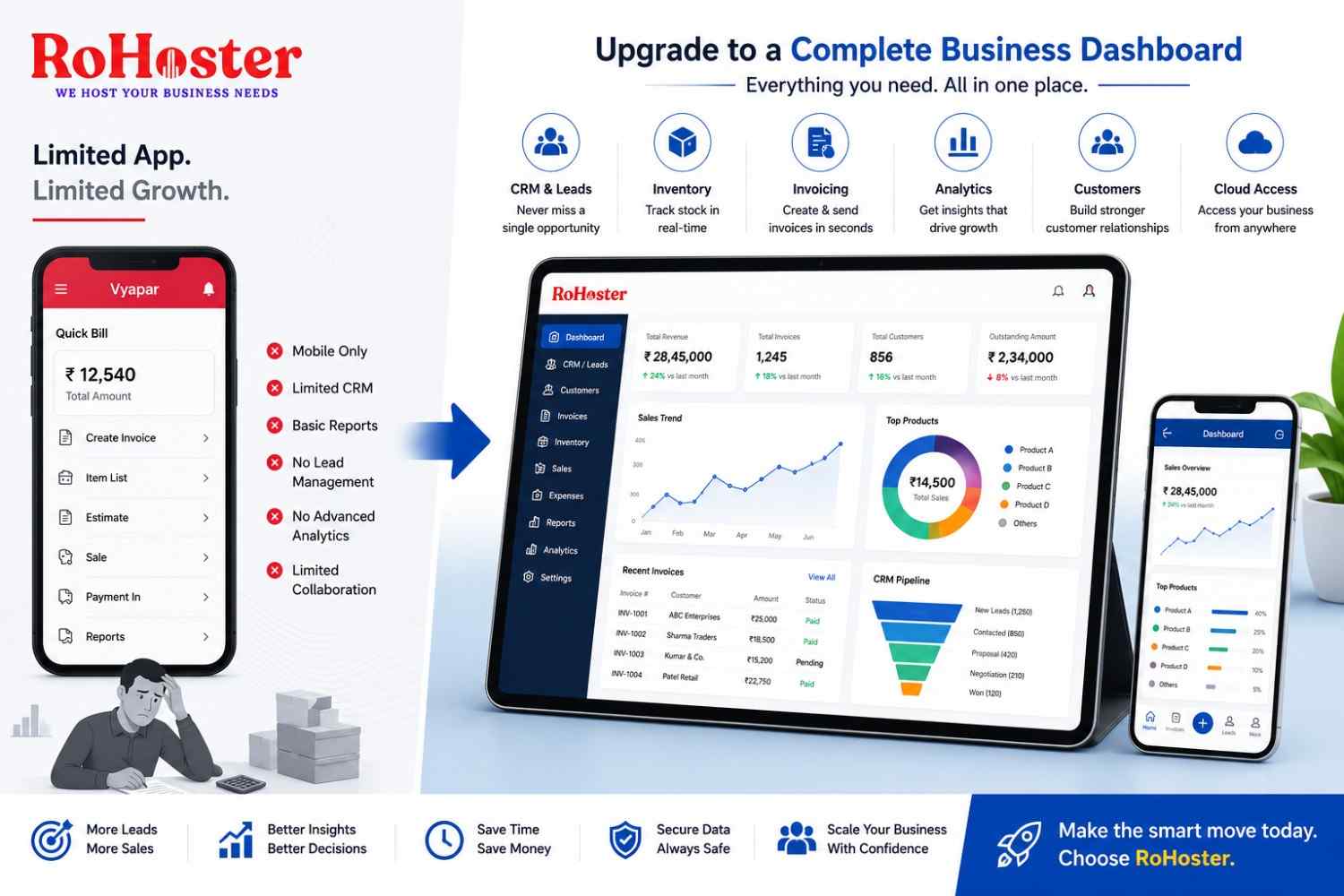
RoHoster helps SMEs organize their daily operations through one centralized cloud platform.
Depending on business needs, RoHoster can support:
GST Billing
Inventory Management
Customer Management
Lead Management
Purchase Management
Business Reports
Sales Tracking
Workflow Automation
Multi-user Collaboration
Cloud Access
Instead of managing scattered processes across multiple tools, businesses can build a stronger operational foundation.
Conclusion
Sales may create momentum.
But systems create stability.
Businesses that invest only in selling eventually struggle to keep pace with their own growth.
Businesses that invest in better processes, clearer workflows, and organized operations create something much more valuable:
A company that continues performing well—even as it grows.
Because sustainable success isn't built on selling more.
It's built on building better.
Further Reading
Want more practical insights on business systems, automation, and operational excellence?