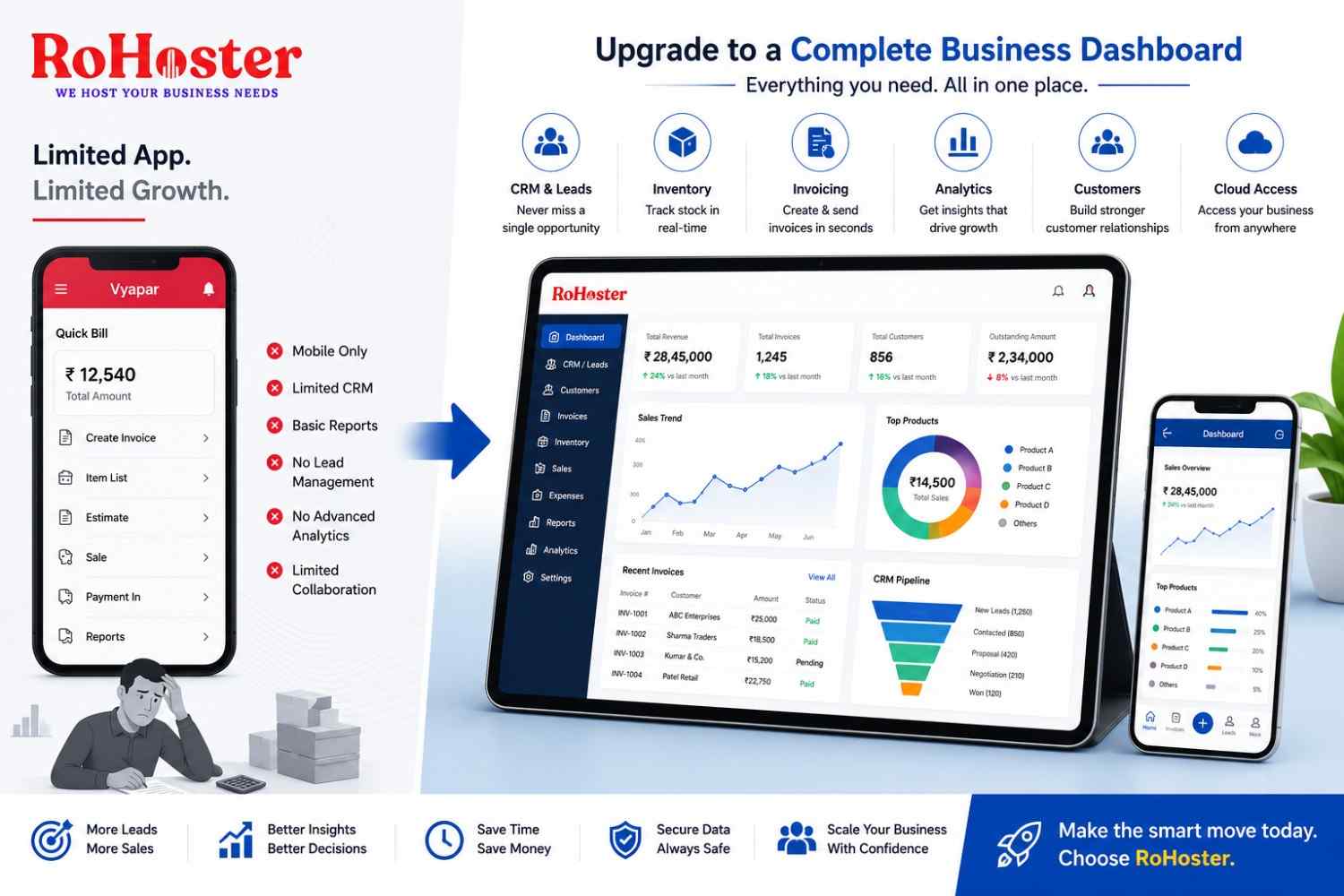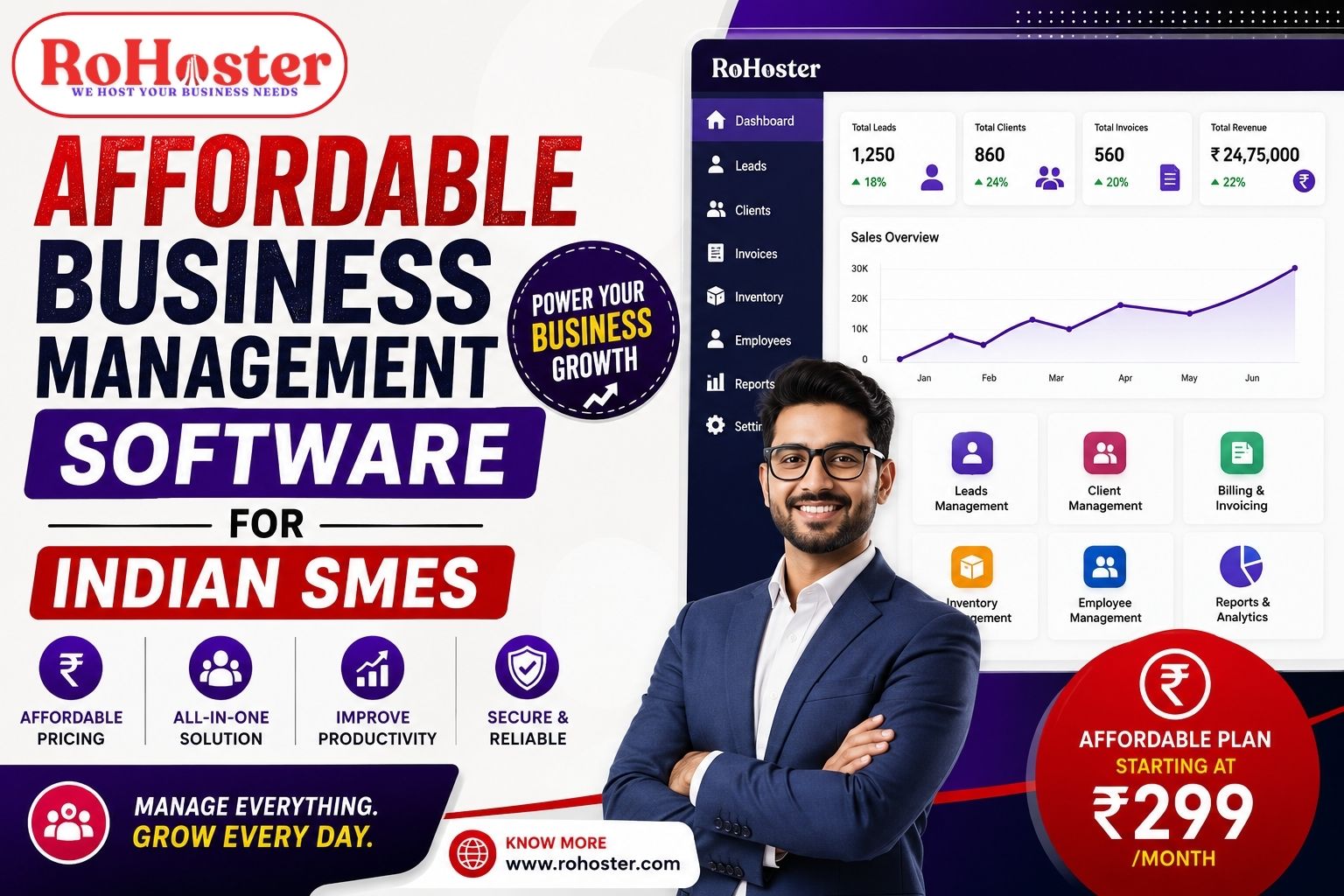
Running a small or medium-sized business in India often means handling many responsibilities at once. Sales, leads, customers, billing, inventory, employees, payments, follow-ups, and daily operations all need attention.
For many SMEs, these activities are still managed using a combination of Excel, WhatsApp, notebooks, email, and separate software tools. While this approach may work initially, it can become difficult to manage as the business grows.
This is where affordable business management software for Indian SMEs can make a real difference.
The right software can help businesses organize their operations, reduce manual work, improve visibility, and create a more structured way of working—without requiring a large technology budget.
In this article, we will explore what business management software is, why Indian SMEs need it, what features to look for, and how an affordable solution can help businesses become more organized and scalable.
What Is Business Management Software?
Business management software is a digital platform that helps businesses manage multiple operational activities from one system.
Depending on the software, it may include tools for:
- Lead management
- Customer management
- Sales management
- Billing and invoicing
- Inventory management
- Employee management
- Task management
- Follow-ups
- Business reporting
Instead of maintaining separate systems for every department, businesses can bring important information into a centralized platform.
For an SME, this can simplify everyday operations and improve visibility across the business.
Also Read: How Small Businesses Can Manage Sales, Billing & Inventory in One Software
Why Indian SMEs Need Affordable Business Software
India has a large and diverse SME ecosystem.
Businesses operate across industries such as:
- Retail
- Manufacturing
- Trading
- Distribution
- Professional services
- Consulting
- Real estate
- Agencies
- Startups
- Local service businesses
However, not every business has the budget or technical resources to invest in expensive enterprise software.
This creates a need for affordable business management software in India that is:
- Easy to use
- Affordable
- Scalable
- Flexible
- Suitable for small teams
- Capable of handling multiple business operations
The objective should not be to make technology another expense for the business.
Instead, software should help the business save time, organize operations, and support growth.
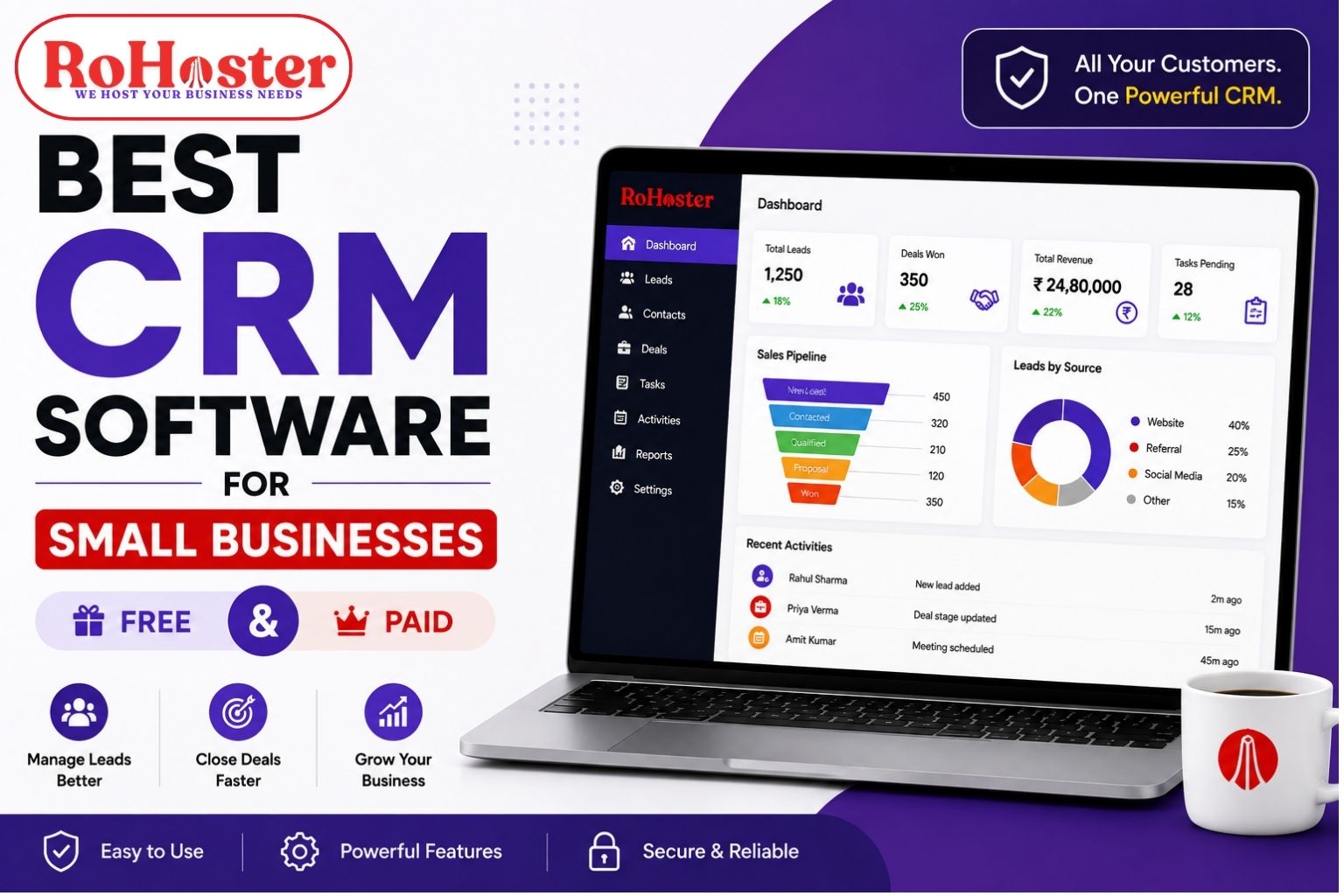
ALSO READ: Best CRM Software for Small Businesses (Free & Paid)
The Problem With Managing an SME Using Multiple Tools
Many small businesses start with simple tools.
For example:
Excel for customer records
WhatsApp for communication
Separate billing software for invoices
Notebook for follow-ups
Another application for inventory
Individually, these tools may be useful.
The problem begins when they are used together without being connected.
This can lead to:
- Scattered information
- Duplicate data entry
- Missed follow-ups
- Difficulty tracking customers
- Manual reporting
- Communication gaps
- Poor visibility
- Increased dependency on individual employees
As the business grows, the owner may spend more time finding information than using it.
An all-in-one business management software can help address this problem by bringing important operations into one centralized system.
1. Centralized Lead Management
Leads are one of the most valuable assets for any growing business.
However, leads can come from many sources:
- Website
- Social media
- Phone calls
- Referrals
- Advertisements
- Business directories
If every lead is stored in a different place, following up becomes difficult.
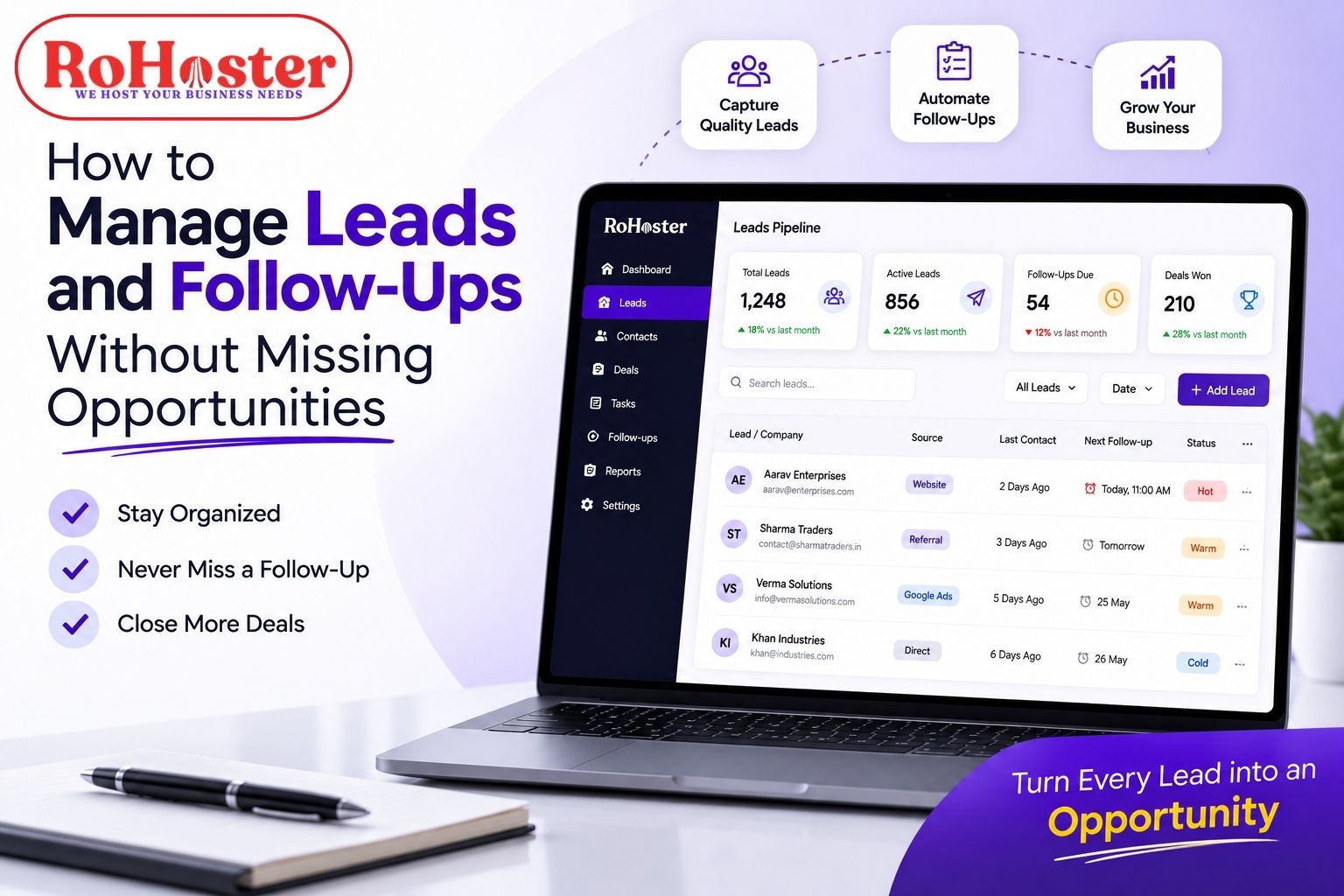
An affordable lead management software for SMEs can help businesses organize leads and track their progress.
A simple sales journey may look like:
New Lead → Contacted → Follow-Up → Interested → Converted
This allows teams to understand where every potential customer stands.
2. Better Customer Management
As the customer base grows, maintaining customer information in Excel can become increasingly difficult.
A business management system can maintain centralized customer records containing:
- Customer details
- Contact information
- Purchase or service history
- Communication records
- Pending tasks
- Follow-up information
- Billing information
This helps employees quickly understand a customer's history.
It also reduces the need to search through different files and conversations.
For SMEs, better client management software can help create a more organized and professional customer experience.
3. Simplified Billing and Invoicing
Billing is an essential part of business operations.
Manual invoicing can become time-consuming when transaction volumes increase.
Businesses may need to track:
- Invoices
- Payments
- Pending amounts
- Customer billing history
- Transactions
An integrated billing management software can help organize these records.
When billing information is connected with customer and sales information, businesses can reduce repetitive data entry and improve visibility.
For Indian SMEs, it is also important to choose billing software that supports their applicable GST and invoicing requirements.
4. Inventory Management
Inventory management is particularly important for businesses dealing with physical products.
Poor inventory tracking can result in:
- Overstocking
- Understocking
- Incorrect stock records
- Delayed order fulfilment
- Unnecessary purchasing
An inventory management software for SMEs can provide better visibility into products and stock movement.
Businesses can track product records and monitor inventory more systematically.
When sales and inventory are connected, businesses can also create a more efficient workflow from order to stock management.
5. Employee and Team Management
Growing businesses need better coordination between employees.
For example:
- Who is handling this lead?
- Who needs to call the customer?
- Who is responsible for the invoice?
- Which tasks are pending?
- Which activities have been completed?
A centralized business management system can help assign responsibilities and track important activities.
This is particularly useful for SMEs where employees often handle multiple roles.
Better visibility can improve accountability without creating unnecessary administrative work.
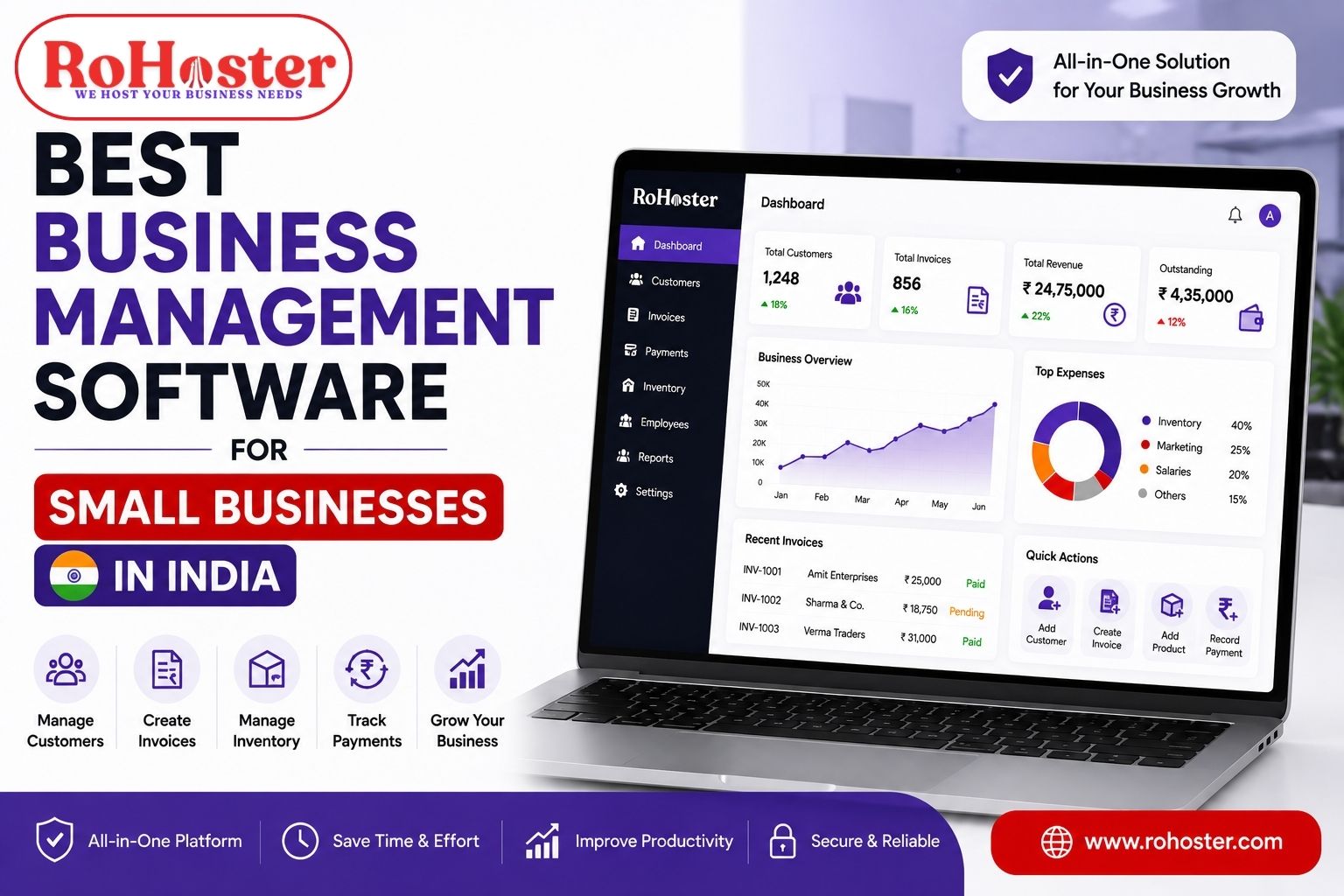
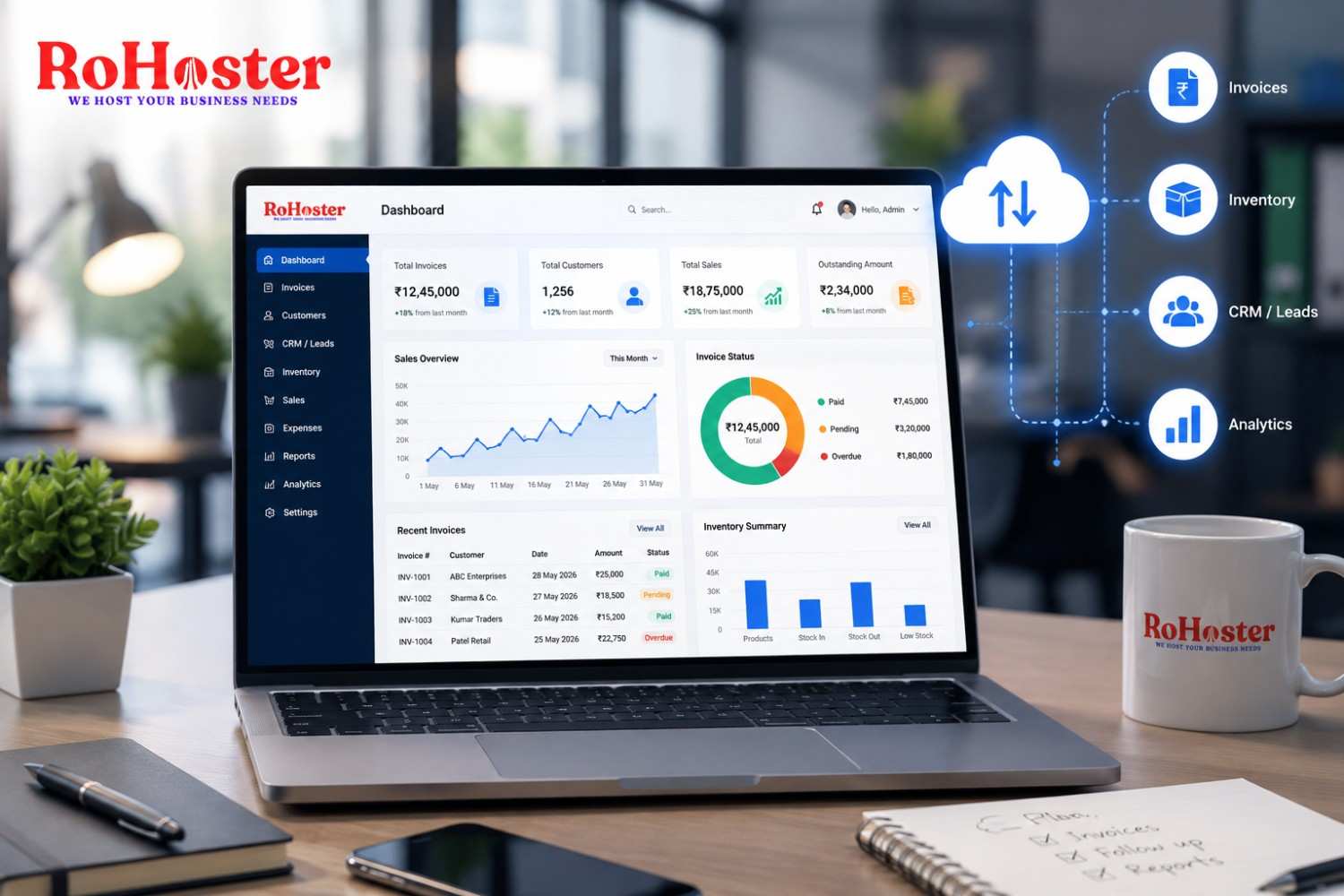
6. One Dashboard for Business Operations
One of the biggest advantages of business management software for small businesses is centralized visibility.
Instead of opening multiple files and applications, business owners can access important information through one platform.
Depending on the system, a dashboard may provide visibility into:
- Leads
- Customers
- Sales
- Invoices
- Payments
- Inventory
- Employees
- Tasks
This can help business owners make decisions faster.
Instead of asking different employees for updates, management can access the relevant information directly.
Also Read: Best Lead Management Software for Small Businesses: What to Look For Before You Choose
What Makes Business Management Software Affordable?
Affordable does not simply mean the lowest monthly price.
A truly affordable business management solution should provide value relative to its cost.
For an SME, affordability should include:
Low Initial Investment
Businesses should not need a large upfront technology investment.
Predictable Pricing
Monthly or annual subscription plans can make software expenses easier to manage.
Essential Features
Businesses should pay for functionality that actually helps their operations.
Scalability
The software should allow businesses to upgrade as their requirements grow.
Low Training Requirements
If software is difficult to understand, businesses may spend additional time and money training employees.
Reduced Operational Costs
If software saves employees time and reduces manual work, it can provide value beyond its subscription price.
Features to Look for in Affordable Business Management Software
Before choosing a solution, Indian SMEs should evaluate the following features.
Lead Management
Can you capture, organize, assign, and track leads?
Client Management
Can you maintain centralized customer records?
Follow-Up Management
Can your team schedule and track follow-ups?
Billing Management
Can you create and manage invoices and payment records?
Inventory Management
Can you track products and stock?
Employee Management
Can you assign responsibilities and monitor activities?
Reporting
Can you understand important business metrics?
Multi-Company or Multi-Branch Support
If your business operates multiple entities or locations, can the system support them?
Customization
Can the software adapt to your business workflow?
This last point can be particularly important for SMEs because businesses often operate differently even when they belong to the same industry.
Why Customization Matters for Indian SMEs
A standard software solution may work well for one business but not necessarily for another.
For example, a:
- Retailer
- Real estate agency
- CA firm
- Manufacturer
- Digital agency
may have completely different workflows.
One business may need stronger inventory management, while another may need detailed lead follow-ups.
This is why customizable business management software can provide an advantage.
Instead of forcing every business to follow exactly the same process, a flexible system can adapt to specific operational requirements.
Cloud-Based Business Management Software for SMEs
Cloud-based software has made business technology more accessible to smaller organizations.
With a cloud-based platform, businesses can access their information without depending entirely on a particular computer or local file.
This can be useful for:
- Remote teams
- Multiple locations
- Business owners travelling
- Distributed operations
- Teams working from different devices
However, businesses should always evaluate the provider's security, reliability, backup, access controls, and data handling practices before selecting a cloud-based solution.
How RoHoster Can Help Indian SMEs
RoHoster is an all-in-one business management software designed to help businesses organize their important operations through one platform.
Instead of managing separate tools for different activities, businesses can use RoHoster to manage areas such as:
- Lead Management
- Client Management
- Billing Management
- Inventory Management
- Employee Management
- Attendance
- Multiple Companies or Branches
- Business Operations
The platform is designed with growing businesses in mind, helping them move away from scattered spreadsheets and disconnected processes.
One of the important aspects of RoHoster is its focus on customization.
Businesses can have different workflows and operational requirements, so a customizable approach can help businesses use the platform according to their specific needs.
RoHoster also provides a 14-day free trial, allowing businesses to explore the platform before choosing a paid plan.
Who Should Consider Business Management Software?
Affordable business management software can be useful for a wide range of Indian SMEs.
Retailers
Manage customers, sales, billing, and inventory.
Traders and Distributors
Organize customers, products, sales, billing, and stock.
Service Businesses
Manage leads, clients, follow-ups, tasks, and billing.
Professional Firms
Organize client records, tasks, billing, and business operations.
Startups
Create structured business processes from an early stage.
Growing MSMEs
Bring multiple business operations into one centralized system.
How to Choose the Right Business Management Software
Before selecting software, ask these questions:
1. What is my biggest operational problem?
Is it leads, customers, billing, inventory, employees, or something else?
2. How many people will use the software?
Make sure the pricing and user management fit your team.
3. Can the software grow with my business?
Avoid selecting a system that becomes unsuitable as your business expands.
4. Is it easy to use?
Your team should be able to understand and adopt it without excessive training.
5. Can it be customized?
If your workflow is different from standard processes, customization can become important.
6. Does it bring multiple operations together?
The biggest advantage of an all-in-one system is reducing the need for multiple disconnected tools.
7. What is the total cost?
Look beyond the subscription price and consider implementation, training, customization, and other potential costs.
Also Read: How to Choose the Right Client Management Software for Accountants
Affordable Does Not Mean Basic
One common misconception is that affordable software must have very limited functionality.
Modern SaaS platforms have changed this.
Small businesses can now access software that provides features previously associated mainly with larger organizations.
The important thing is to choose software based on business value rather than the number of features.
A business does not need 100 features it will never use.
It needs the right tools that solve real problems.
Final Thoughts
Indian SMEs need technology that is not only powerful but also accessible, practical, and scalable.
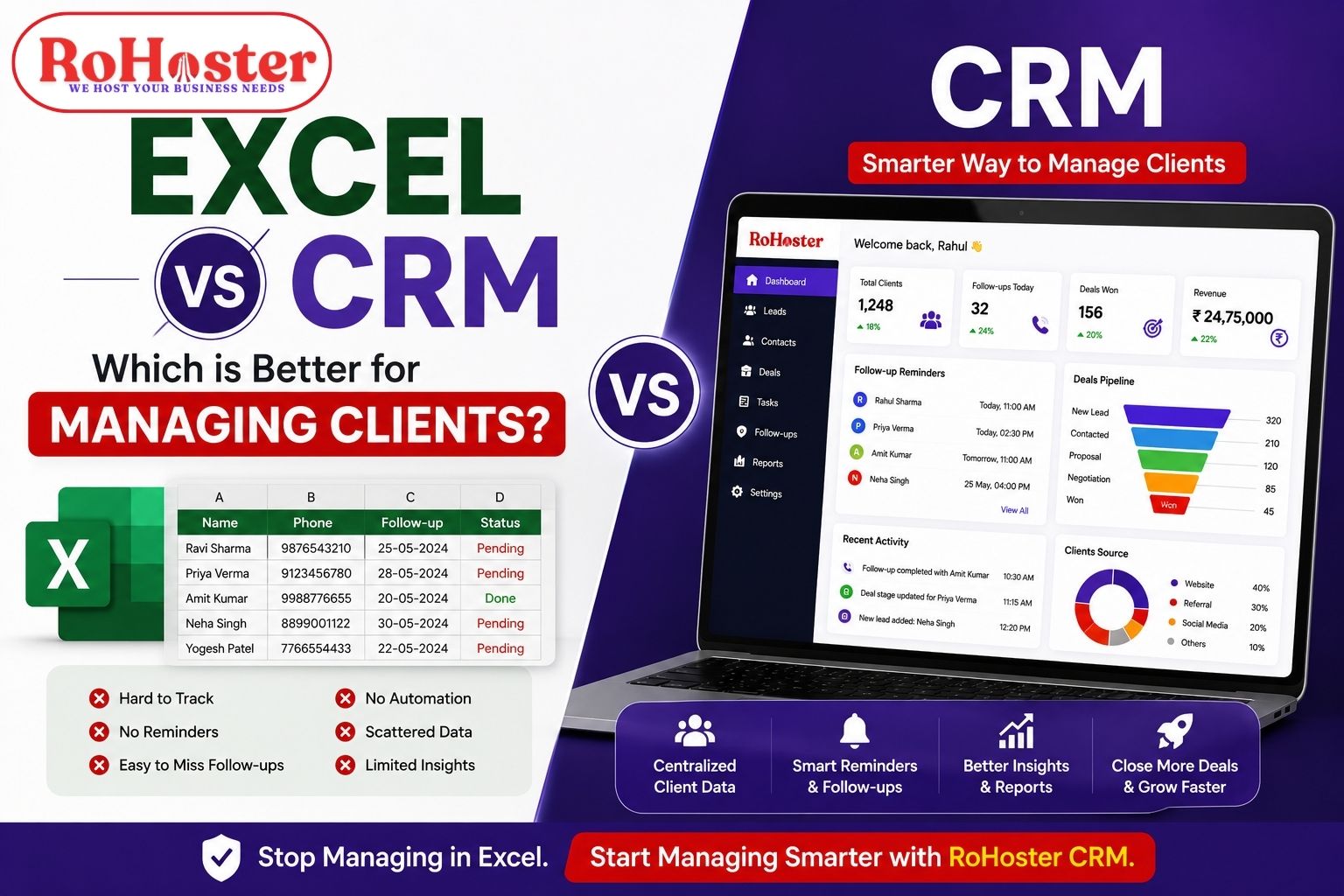
Managing leads through Excel, customers through WhatsApp, billing through one application, and inventory through another may work temporarily—but as a business grows, these disconnected processes can become a major source of inefficiency.
An affordable business management software can help bring important operations together.
The ideal system should help businesses:
Manage Leads
Organize Customers
Track Sales
Simplify Billing
Monitor Inventory
Coordinate Teams
Understand Business Performance
RoHoster aims to provide this connected approach through an affordable and customizable platform designed for growing businesses.
The goal is simple: