Most business owners think the sale is the finish line.
In reality, it's only the beginning.
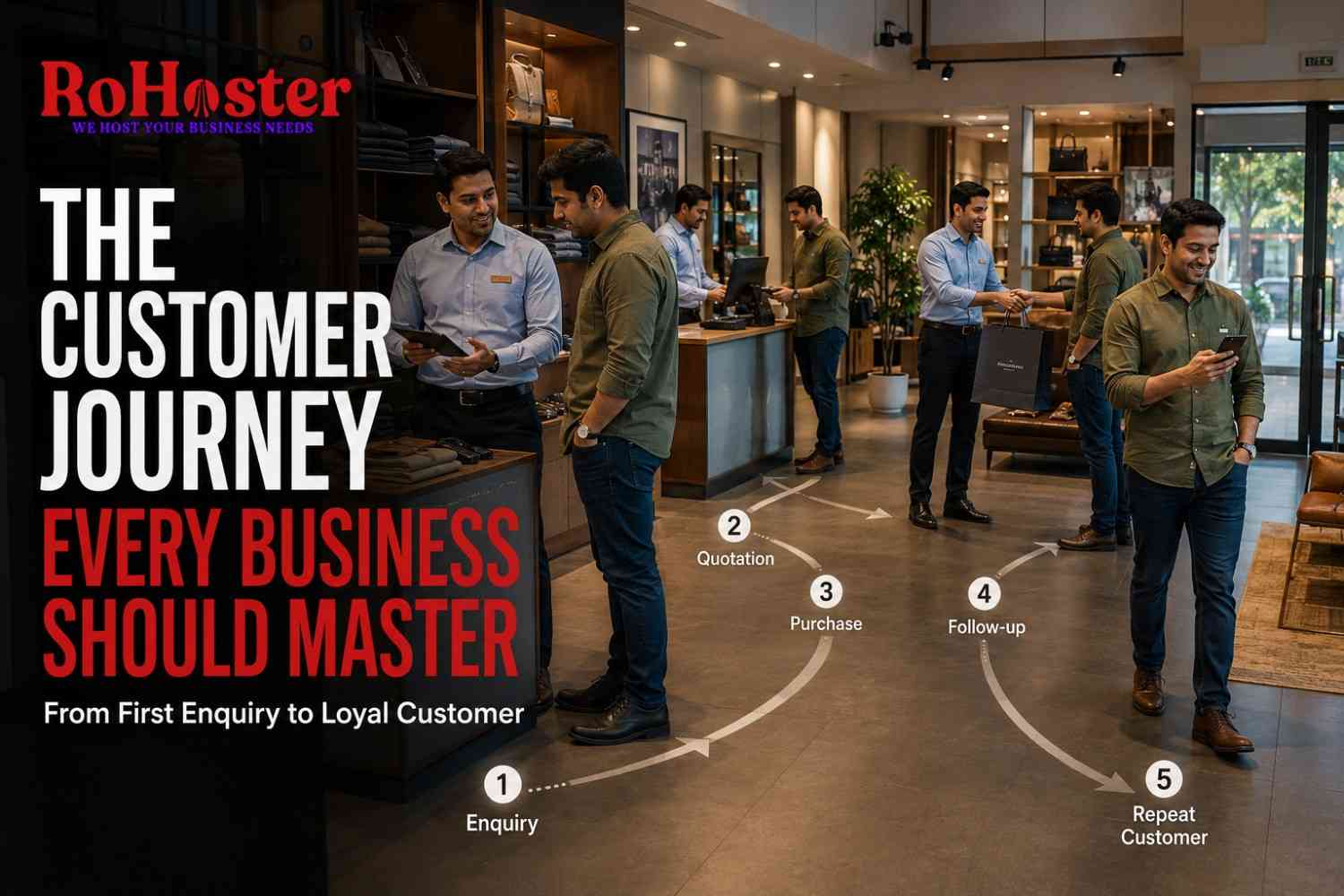
The businesses that grow consistently don't simply attract customers—they guide them through a complete journey that builds trust, satisfaction, and long-term loyalty.
Every interaction matters.
The first phone call.
The first enquiry.
The first quotation.
The first purchase.
The follow-up after delivery.
The next purchase.
Understanding this journey helps businesses create better customer experiences while increasing revenue without constantly chasing new customers.
Every Customer Starts as a Stranger
Before becoming a customer, every buyer is simply someone looking for a solution.
They may find your business through:
Google Search
Social media
WhatsApp
Referrals
Walk-ins
Existing customers
The first impression often determines whether they continue the journey or choose another business.
Responding quickly and professionally builds confidence from the very beginning.
Stage 1: The First Enquiry
Many businesses lose potential customers simply because enquiries are forgotten or answered too late.
Whether the enquiry comes through WhatsApp, a phone call, or a website, it should be recorded and assigned for follow-up.
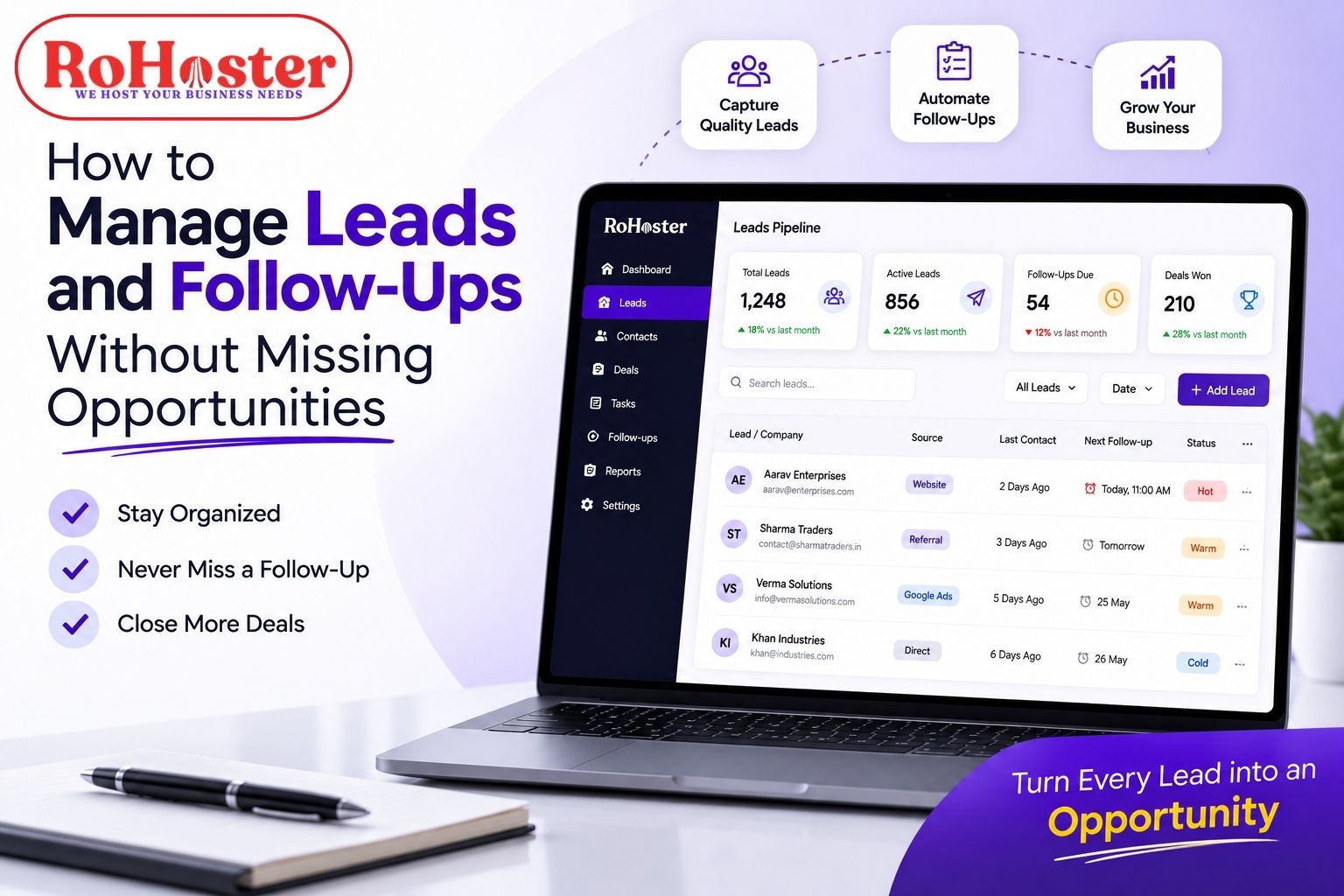
Organized lead management ensures that every enquiry has a clear next step instead of depending on someone's memory.
Stage 2: Understanding Customer Needs
The best businesses don't immediately start selling.
They start by understanding.
Questions like:
What problem is the customer trying to solve?
What's their budget?
When do they need the product?
Are they comparing multiple options?
The better you understand the customer, the easier it becomes to recommend the right solution.
Stage 3: Provide a Professional Quotation
A quotation isn't just a price.
It's a reflection of your business.
Clear product details, transparent pricing, expected delivery dates, and professional communication build trust.
Customers are more likely to move forward when they feel confident in your process.
Stage 4: Make Buying Easy
Once the customer decides to purchase, the buying experience should be smooth.
Fast billing.
Multiple payment options.
Accurate invoices.
Clear communication.
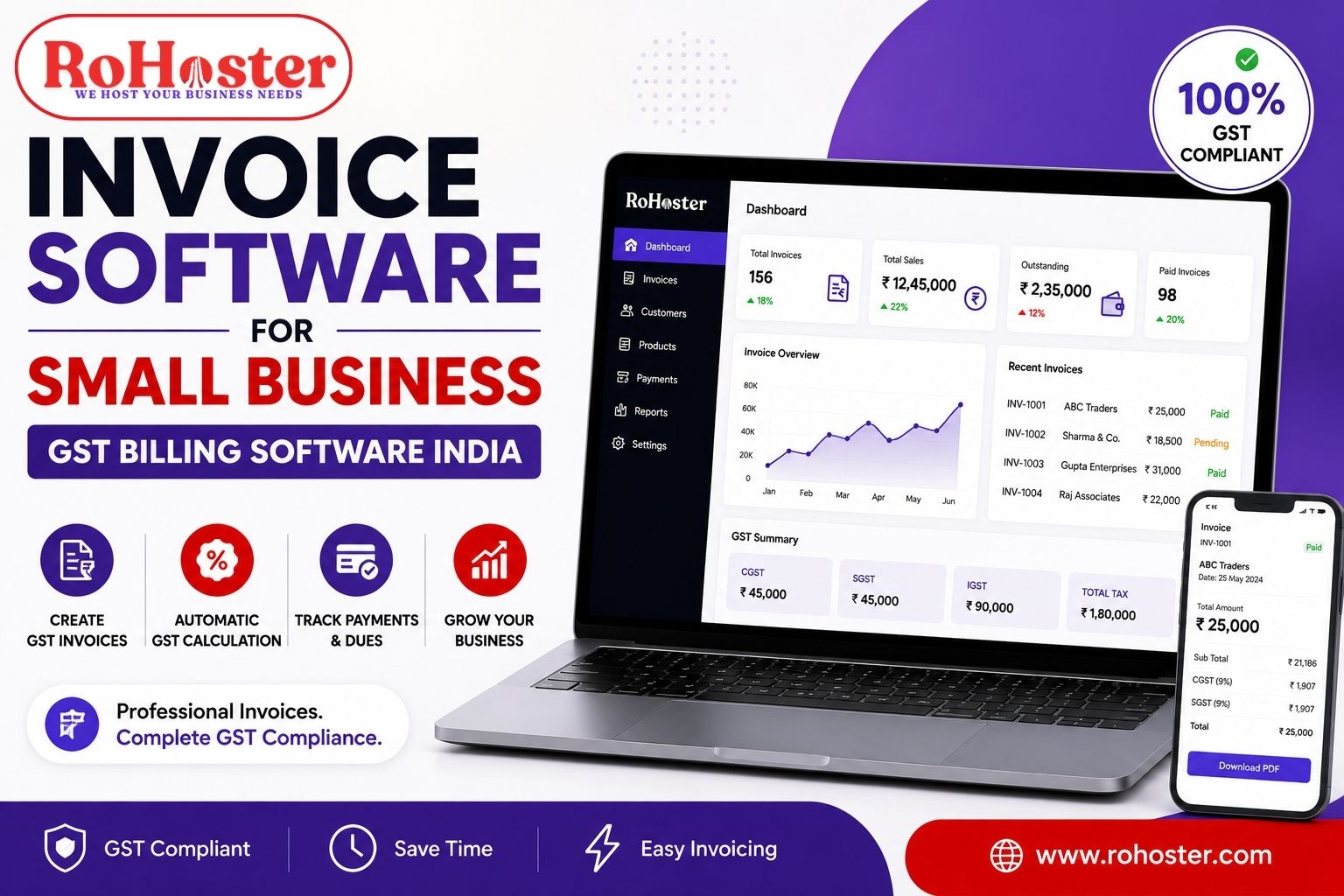
Our article Generate GST Invoices in 20 Seconds: A Guide to Fast Retail Counter Billing explains how a faster checkout experience improves customer satisfaction and operational efficiency.
Stage 5: Deliver What You Promised
Winning trust doesn't end when payment is received.
Customers expect:
On-time delivery
Correct products
Proper documentation
Responsive communication
Operational discipline plays a major role in customer experience.
Stage 6: Don't Disappear After the Sale
One of the biggest mistakes businesses make is ending communication immediately after the purchase.
A simple follow-up message asking whether everything is working well can significantly improve customer satisfaction.
It also creates opportunities for future business.
Stage 7: Build Customer Relationships
Every purchase tells you something.
Which products customers prefer.
How often they buy.
How much they spend.
When they usually return.
Businesses that maintain organized customer records can create more relevant communication instead of sending the same message to everyone.
Learn more in How Local Retailers Can Use Customer Purchase History to Drive Repeat Sales, where we explain how purchase history strengthens customer retention.
Stage 8: Encourage Repeat Purchases
The easiest sale is often to an existing customer.
Repeat customers already trust your business.
They require less convincing.
They often spend more over time.
Businesses can encourage repeat purchases through:
Personalized recommendations
Seasonal reminders
Loyalty benefits
Service follow-ups
Timely communication
Stage 9: Ask for Feedback
Feedback helps businesses improve.
Instead of assuming everything went well, ask customers:
Were you satisfied?
Could we improve anything?
Would you recommend us?
Small improvements create better customer experiences over time.
Stage 10: Turn Customers Into Advocates
Satisfied customers often become your best marketers.
Word-of-mouth recommendations remain one of the most powerful ways to grow a business.
A great customer journey creates referrals naturally.
Why Internal Processes Matter
Customers don't see your internal systems.
But they experience their results.
Delayed invoices.
Inventory errors.
Late deliveries.
Missed follow-ups.
Poor communication.
Improving business processes almost always improves customer experience.
Our article The Hidden Cost of Poor Business Processes (And How to Fix Them Before They Hurt Your Growth) explains how operational improvements directly influence customer satisfaction.
Use Data to Improve Every Stage
Review customer metrics every week:
New enquiries
Lead conversion
Average response time
Repeat purchase rate
Customer satisfaction
Referral customers
Businesses that measure customer experience improve it much faster.
How RoHoster Helps
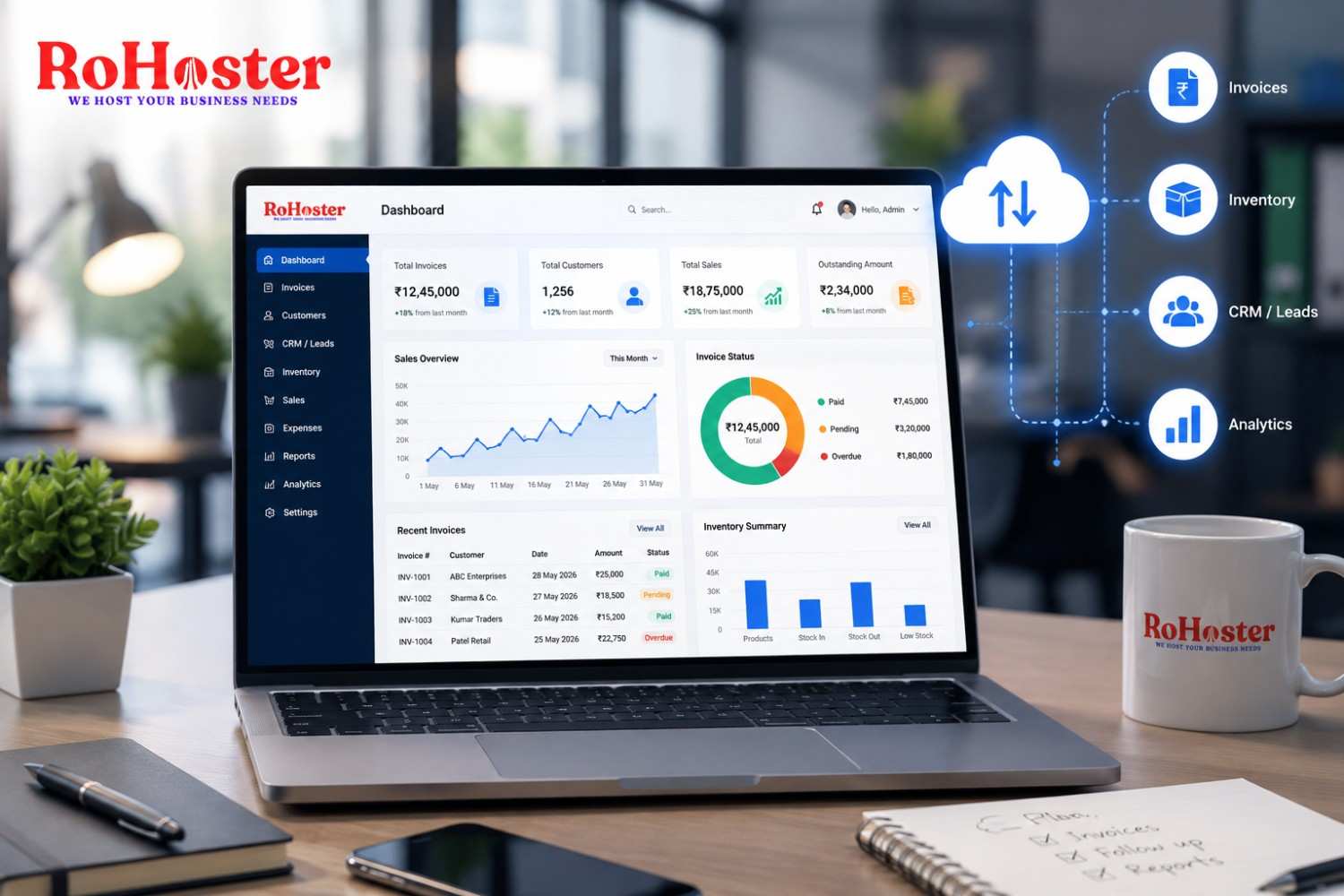
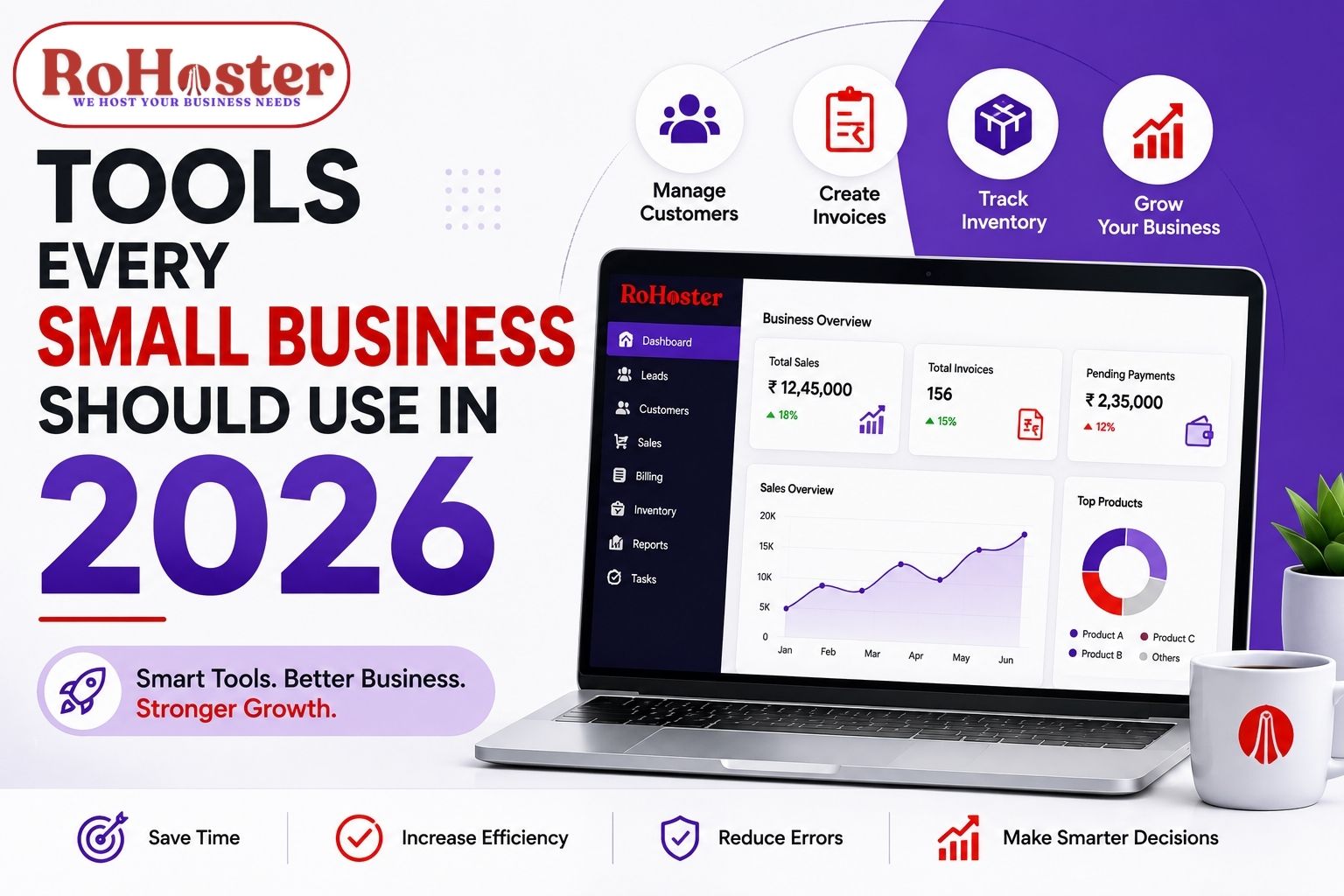
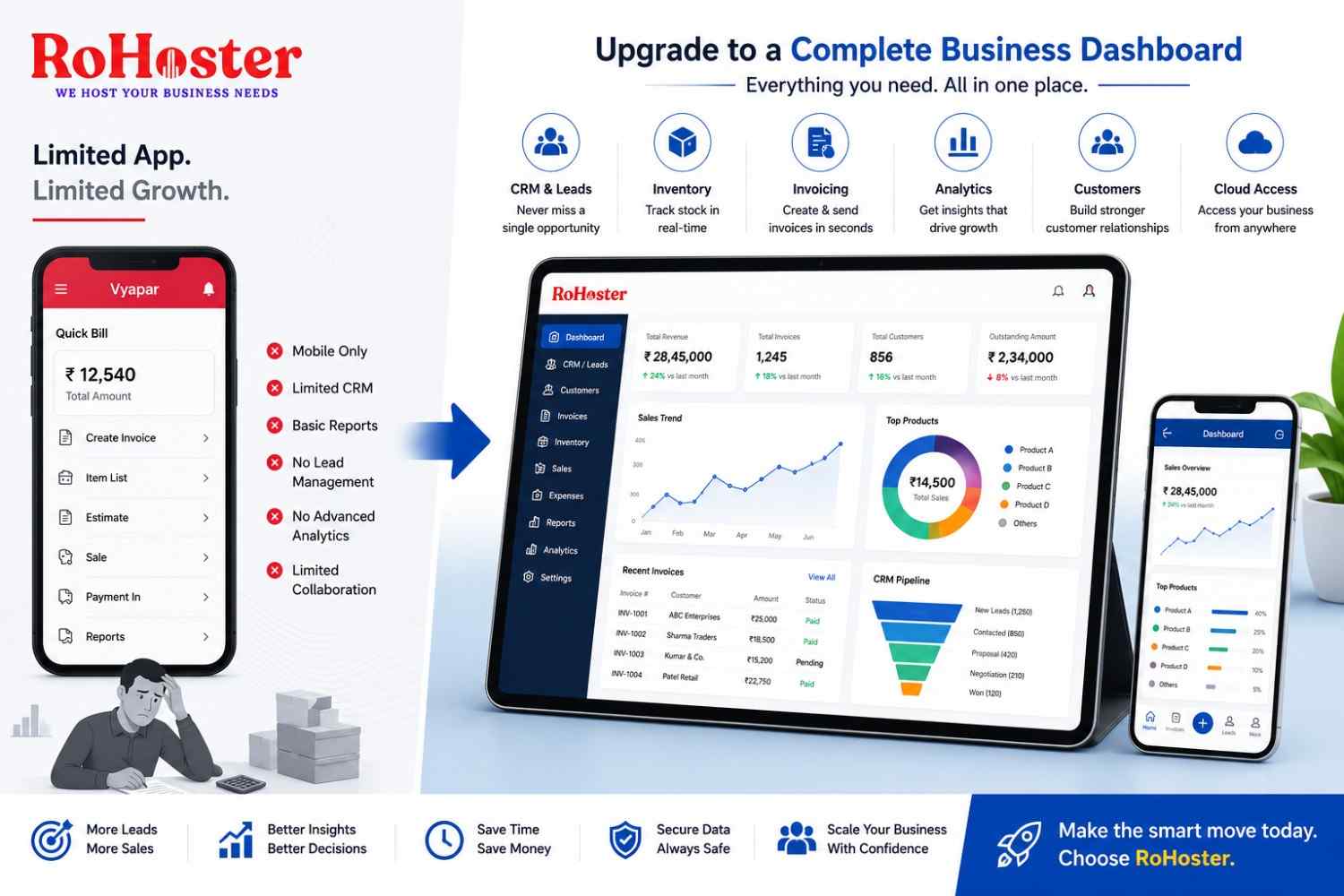
RoHoster helps businesses organize every stage of the customer journey through one centralized cloud platform.
Depending on business requirements, RoHoster can support:
Customer Management
Lead Management
GST Billing
Sales Tracking
Purchase Management
Business Reports
Inventory
Cloud Access
Business Automation
Instead of treating every sale as a separate transaction, businesses can build lasting customer relationships.
Conclusion
Customers rarely become loyal after a single interaction.
Loyalty is built through consistent experiences.
Quick responses.
Professional communication.
Reliable delivery.
Organized follow-ups.
Personalized service.
Businesses that master the customer journey don't just sell more.
They create customers who return, recommend, and help the business grow for years.