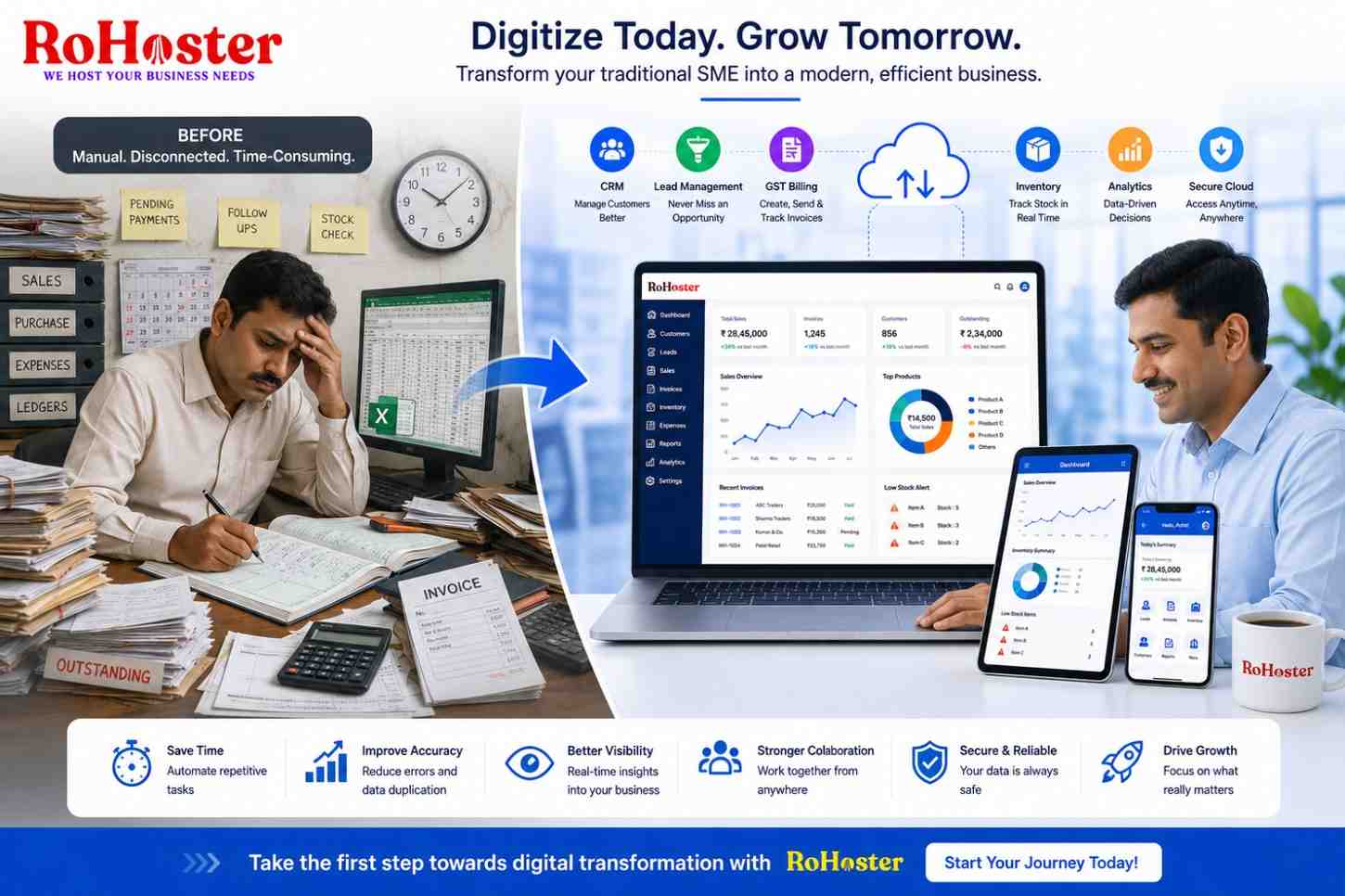
Thousands of Indian small and medium businesses still rely on paper registers, Excel spreadsheets, WhatsApp messages, and multiple disconnected tools to run their daily operations. While these methods may work initially, they often become barriers to growth as businesses expand.
Digitizing your operations doesn't mean replacing everything overnight. It means gradually adopting the right technology to simplify processes, reduce manual work, improve visibility, and help your business grow sustainably.
Whether you're a retailer, wholesaler, distributor, manufacturer, or service provider, this guide will walk you through the process of transforming your traditional business into a modern, digitally managed enterprise.
Step 1: Understand Where Your Time Is Being Lost
Before investing in any software, identify the tasks that consume the most time every day.
Common examples include:
Creating invoices manually
Updating Excel sheets
Tracking inventory by hand
Following up with customers through WhatsApp
Searching for old records
Preparing reports manually
If your team spends hours performing repetitive administrative work, it's a strong indication that your business is ready for digital transformation.
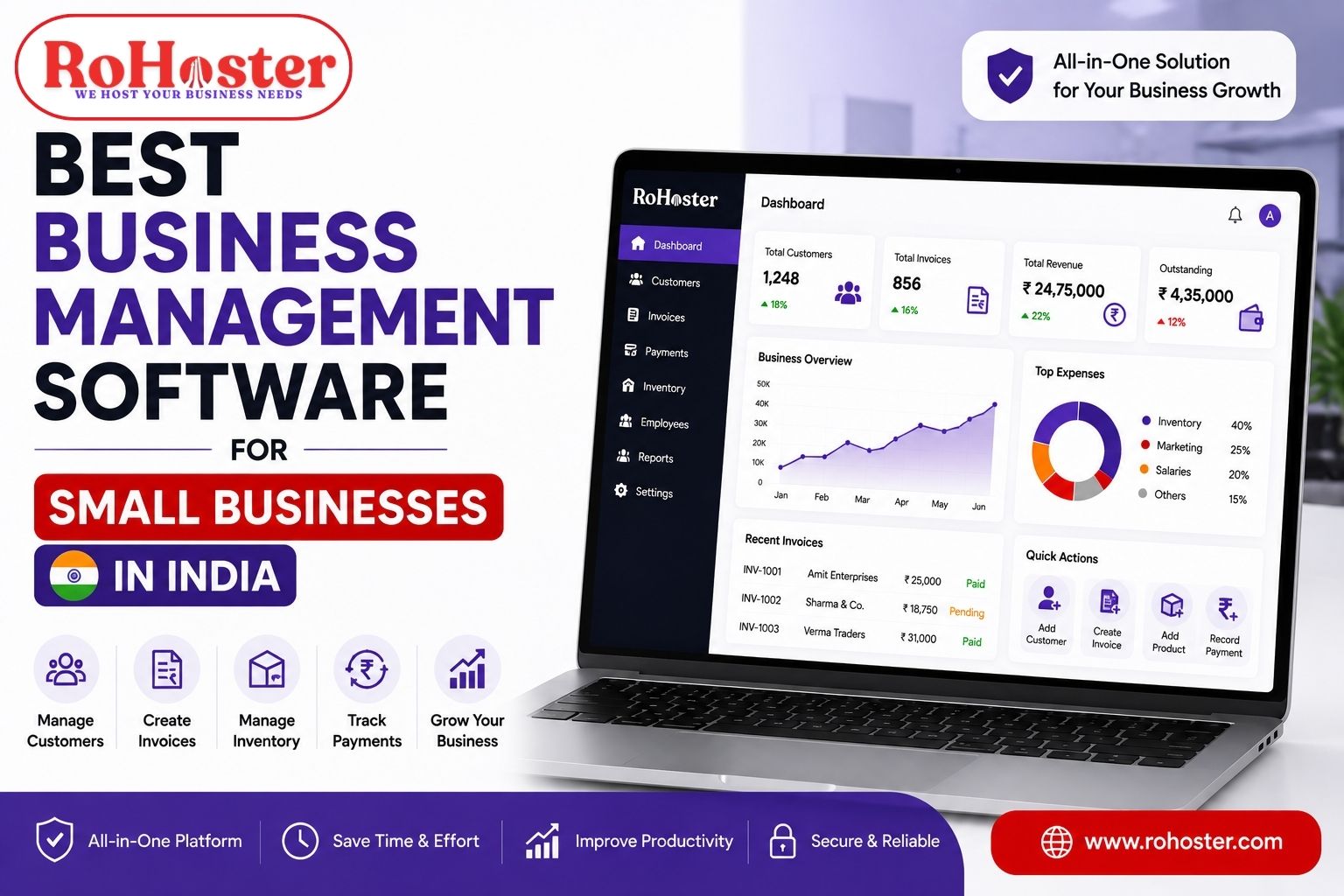
Many growing businesses begin this journey by adopting business management software that automates routine tasks and centralizes information.
Step 2: Move Beyond Excel
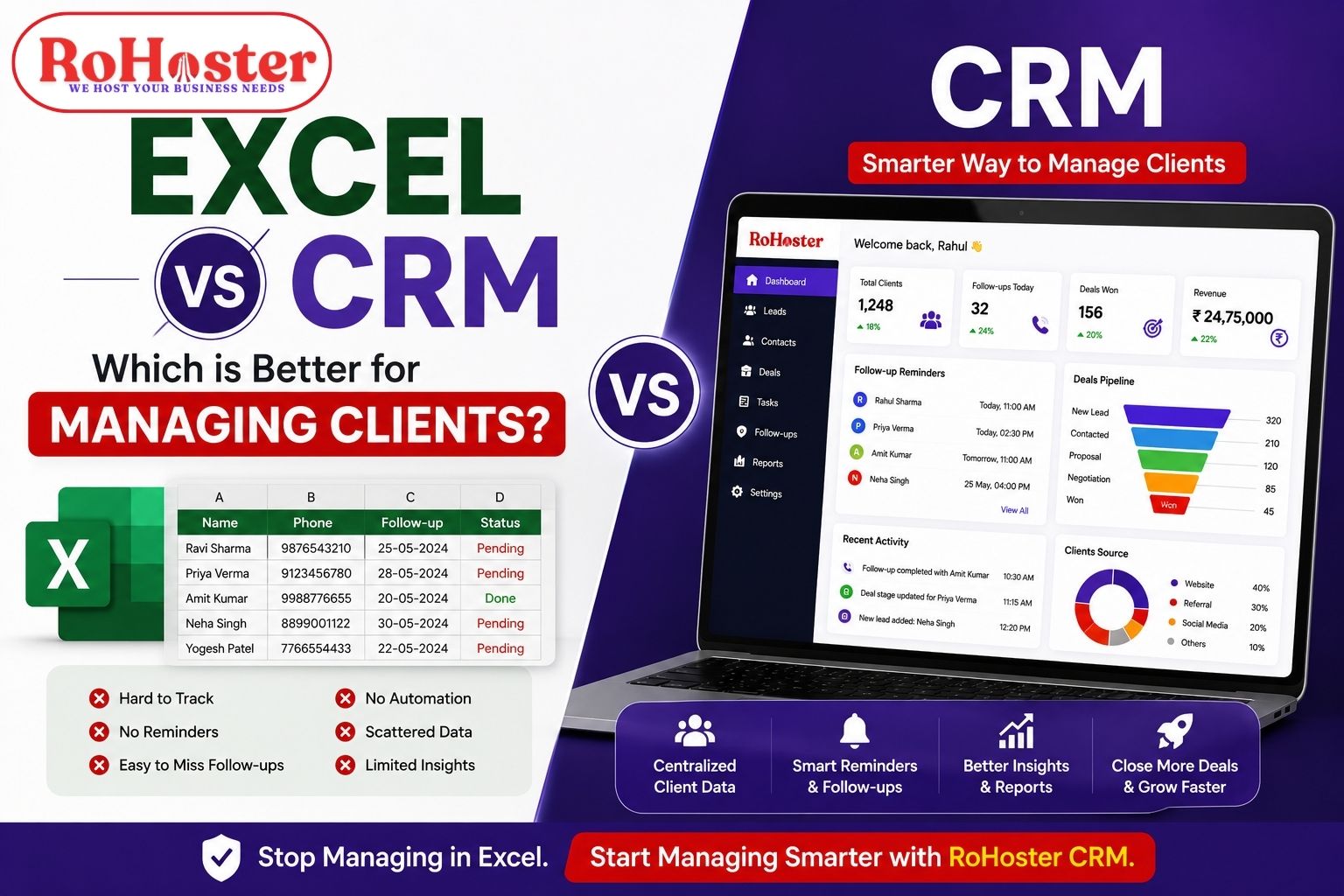
Excel is one of the most widely used business tools, but it wasn't designed to manage an entire business.
As inventory grows and multiple employees need access to information, spreadsheets become difficult to maintain.
Common challenges include:
Duplicate entries
Formula errors
Outdated information
Multiple file versions
No real-time updates
If you're still managing inventory through spreadsheets, our article Ditch the Spreadsheets: Why Managing Retail Stock in Excel Is Costing You Money explains why businesses are switching to modern inventory management software.
Step 3: Digitize Billing and Accounting
Many traditional businesses continue issuing handwritten invoices or using basic billing software that only solves one problem.
Instead, choose software that integrates:
GST Billing
Customer management
Inventory
Purchase records
Sales reports
A connected billing system saves time while improving accuracy.
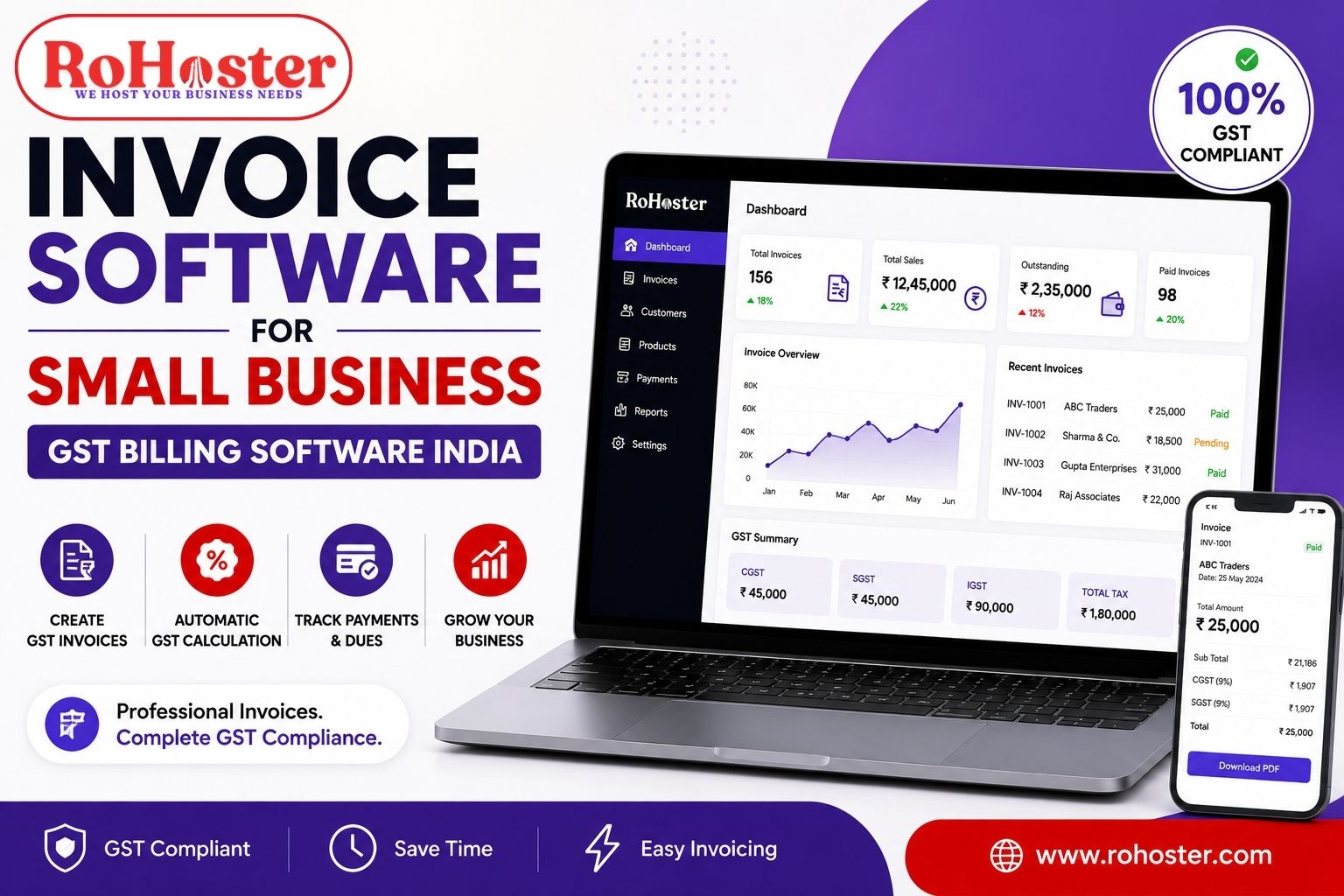
If you're comparing options, read our guide Invoice Software for Small Business (GST Billing Software India) to understand what features modern billing solutions should include.
Step 4: Build a Customer Database Instead of Contact Lists
Customer relationships are one of the most valuable assets of any business.
Yet many SMEs still manage customer information through notebooks, WhatsApp chats, or Excel files.
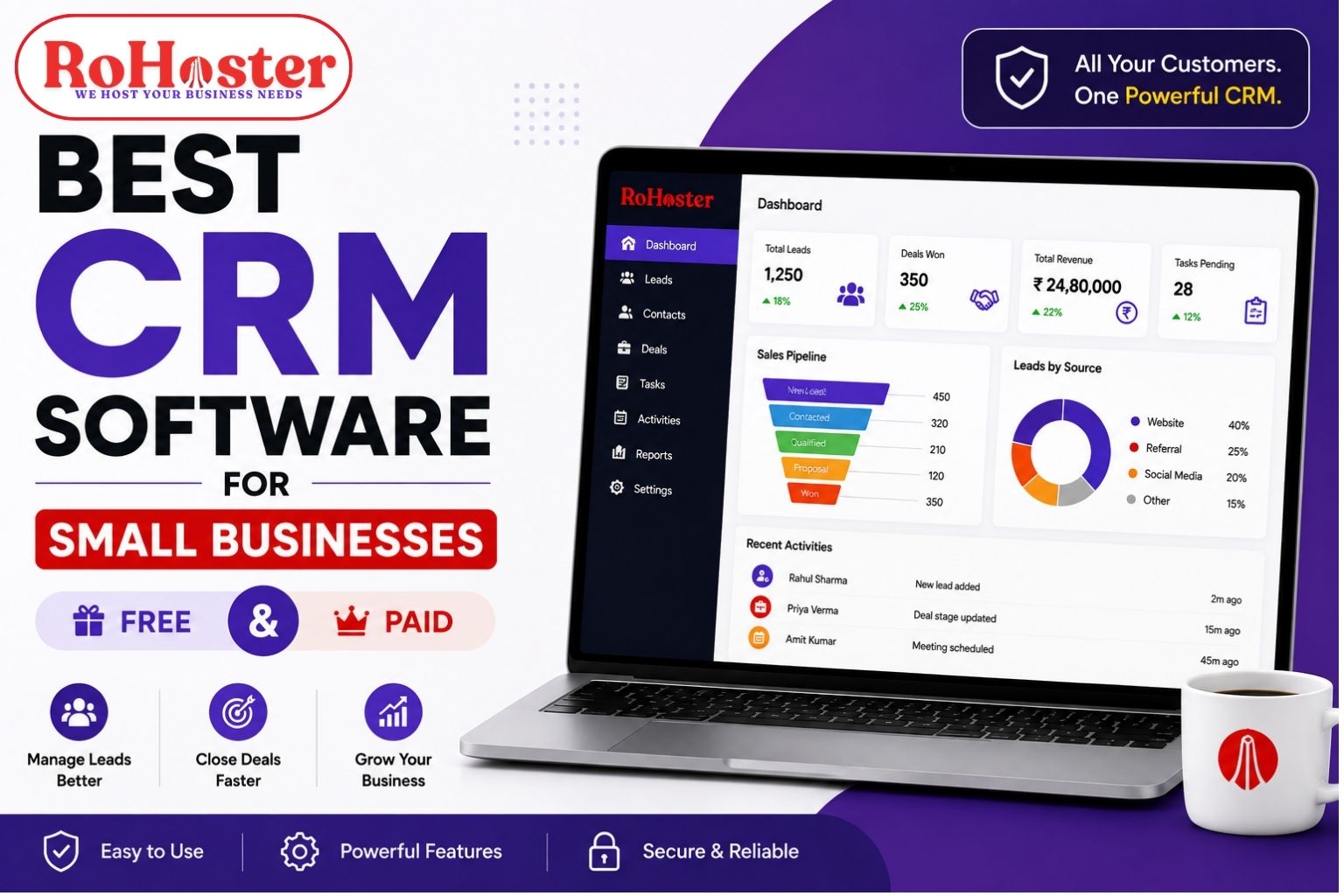
A dedicated CRM software allows you to:
Store customer information securely
View purchase history
Record conversations
Schedule reminders
Improve customer retention
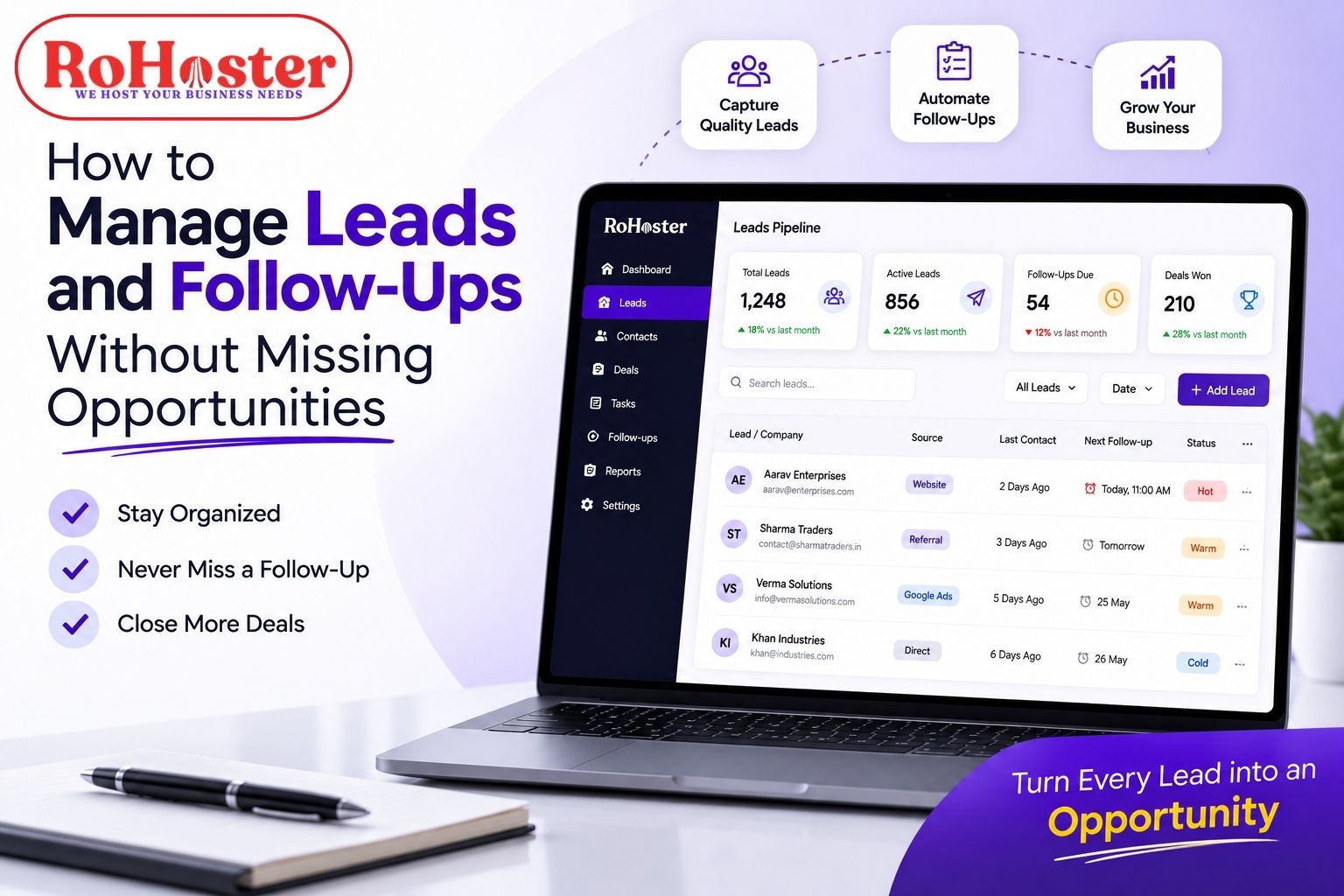
Step 5: Never Miss Another Sales Opportunity
Many businesses lose potential customers simply because no one remembers to follow up.
Instead of relying on memory, use integrated lead management tools to organize enquiries, assign follow-ups, and monitor your sales pipeline.
Businesses that consistently follow up with prospects often achieve significantly better conversion rates.
To learn practical strategies, explore What is Lead Management Software? Complete Guide for Businesses (2026) and How to Manage Leads and Follow-Ups Without Missing Opportunities.
Step 6: Replace Multiple Tools with One Platform
Traditional SMEs often use:
Excel for inventory
Separate billing software
WhatsApp for customer communication
Paper registers
Manual reports
Managing multiple systems creates unnecessary complexity.
Instead, adopt a single software for small business that combines:
Inventory Management
GST Billing
CRM Software
Lead Management
Sales reports
Customer database
Business analytics
Having everything connected saves time and improves decision-making.
Step 7: Move to the Cloud
One of the biggest milestones in digital transformation is adopting cloud business management software.
Unlike traditional desktop applications, cloud software allows you to:
Access your business from anywhere
Collaborate with your team in real time
Receive automatic backups
Scale easily as your business grows
Step 8: Upgrade Legacy Software When Your Business Outgrows It
Many businesses begin with standalone accounting or billing applications before realizing they need a complete operational platform.
If you're currently using desktop accounting software, don't miss our article Top 5 Cloud-Based Tally Alternatives for Indian Small Businesses in 2026.
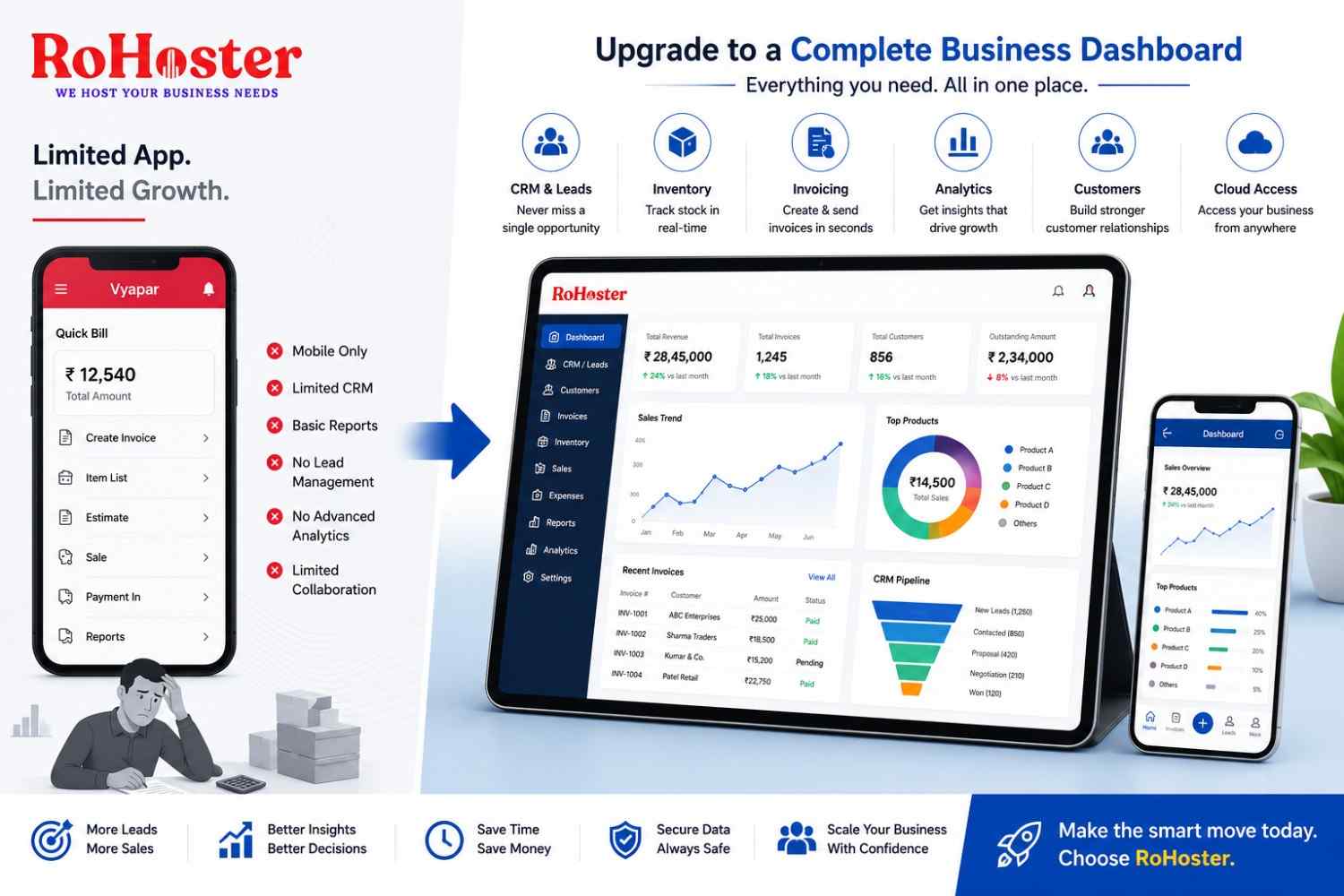
Similarly, if you're relying on a billing application but need CRM, analytics, and customer management, Looking for a Vyapar App Alternative? Why a Complete Business Dashboard Changes the Game explains why businesses are moving toward integrated cloud platforms.
Step 9: Use Data to Make Better Decisions
Digitization isn't just about automation—it's about gaining visibility into your business.
Modern business management software provides insights into:
Sales performance
Customer behaviour
Fast-moving products
Outstanding payments
Inventory levels
Team productivity
Instead of making decisions based on assumptions, you can rely on real-time business data.
Step 10: Keep Improving
Digital transformation isn't a one-time project.
As your business grows, continue reviewing your processes and adopting new tools that improve efficiency.
Successful SMEs regularly optimize:
Customer management
Inventory
Billing
Reporting
Sales processes
Team collaboration
Small improvements made consistently lead to significant long-term growth.
Why RoHoster Helps SMEs Digitize Faster
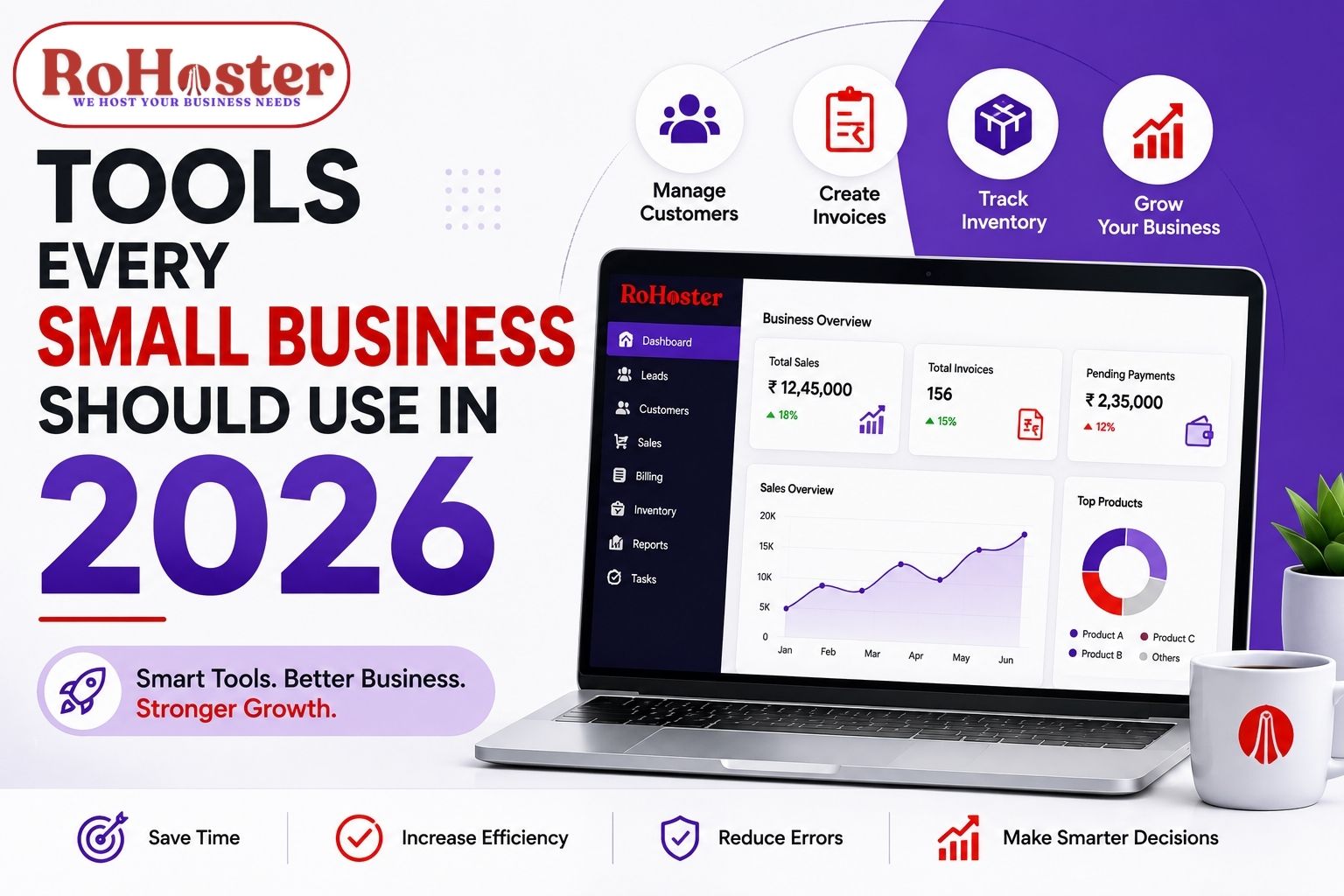
RoHoster is designed specifically for businesses that want to simplify operations without juggling multiple software solutions.
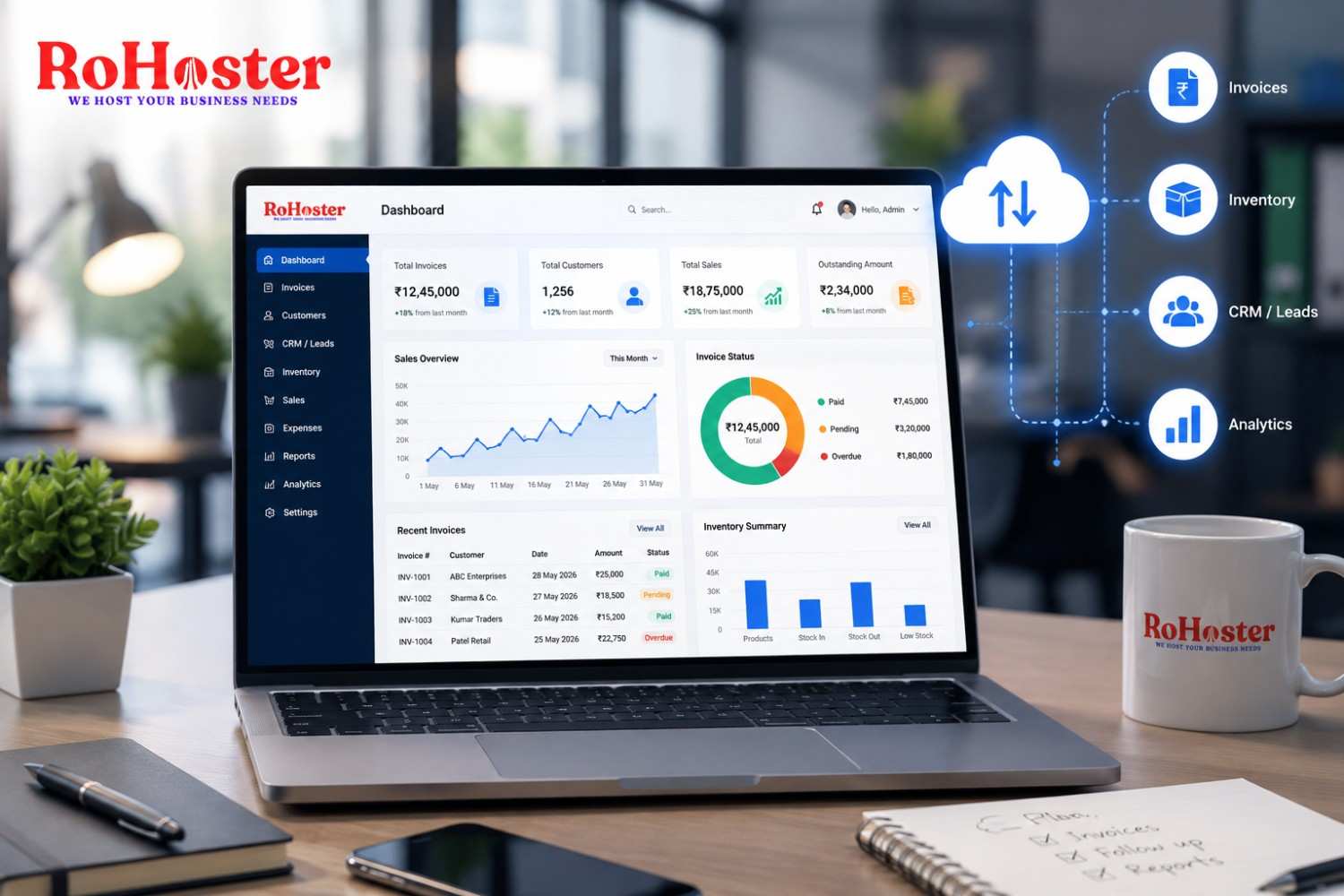
With a single cloud-based platform, businesses can manage:
Business Management
Inventory Management
GST Billing
CRM Software
Lead Management
Customer Database
Sales Reports
Business Analytics
Multi-user Collaboration
Secure Cloud Access
Whether you're taking your first step toward digitization or replacing outdated systems, RoHoster helps you transition smoothly while keeping every part of your business connected.
Conclusion
Digitizing your SME doesn't require a complete overhaul overnight. The most successful businesses adopt technology step by step—starting with billing, moving to inventory, strengthening customer management, and eventually bringing everything together in one integrated platform.
By investing in modern business management software, CRM software, lead management, and cloud-based tools, Indian SMEs can reduce manual work, improve productivity, and make better business decisions every day.
Digital transformation isn't just about technology—it's about creating a business that's ready to grow.