Generating leads is one of the biggest challenges for any business. However, generating leads alone doesn't guarantee sales. Many businesses invest heavily in marketing but still struggle to convert prospects into customers because they lack an effective lead management process.
Missed follow-ups, scattered customer information, delayed responses, and poor communication often result in lost business opportunities.
Implementing the right lead management best practices helps businesses stay organized, improve customer relationships, and significantly increase conversion rates.
In this guide, we'll explore proven strategies that successful businesses use to manage leads more effectively.
Also Read: What is Lead Management Software?
Why Lead Management Matters
Every inquiry represents a potential customer.
Whether a lead comes from your website, Google Ads, social media, referrals, WhatsApp, or phone calls, every interaction should be tracked properly.
Without an organized lead management process, businesses often experience:
- Missed follow-ups
- Duplicate customer records
- Delayed responses
- Poor sales visibility
- Lower conversion rates
- Lost revenue
A structured lead management system helps eliminate these challenges.
1. Capture Every Lead from Every Source
Businesses receive inquiries from multiple channels.
Examples include:
- Website Forms
- Facebook & Instagram Ads
- Google Ads
- Phone Calls
- Walk-in Customers
- Referrals
Instead of maintaining separate records, capture every lead in one centralized dashboard.
This ensures no inquiry is forgotten.
2. Respond Quickly
The first few minutes after receiving an inquiry are critical.
Customers often contact multiple businesses before making a decision.
Responding promptly improves trust and increases the likelihood of conversion.
A lead management software helps notify your sales team instantly whenever a new lead is received.
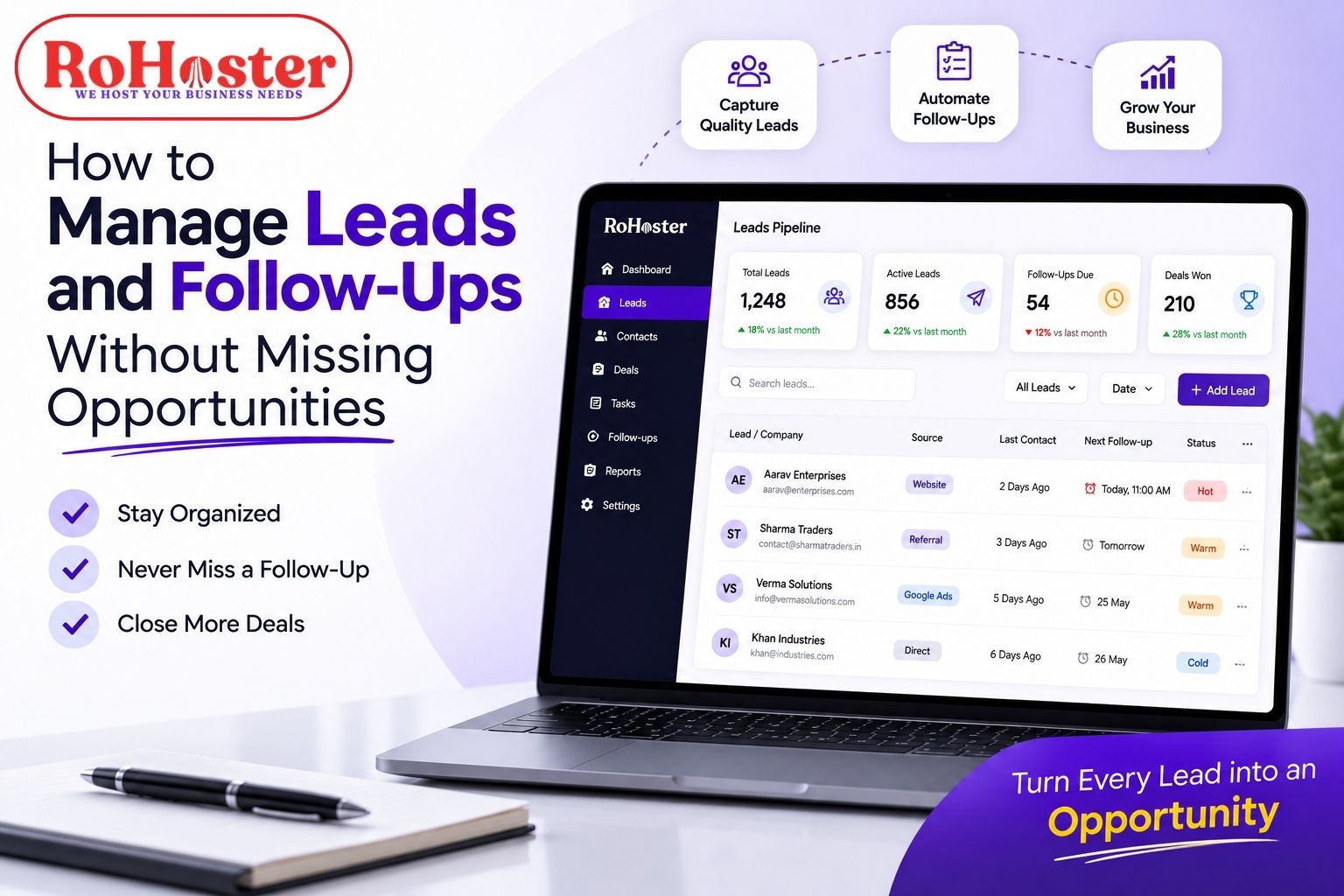
3. Never Miss a Follow-Up
Most sales are lost because businesses fail to follow up consistently.
Instead of relying on memory or sticky notes, schedule reminders for:
- Calls
- Meetings
- WhatsApp messages
- Emails
- Product demonstrations
Automated reminders ensure every opportunity is pursued.
4. Qualify Your Leads
Not every lead is ready to buy.
Categorize leads based on factors such as:
- Budget
- Interest
- Decision-making authority
- Business requirements
- Purchase timeline
This allows your sales team to focus on high-potential prospects.
5. Organize Your Sales Pipeline
Every lead should have a defined stage.
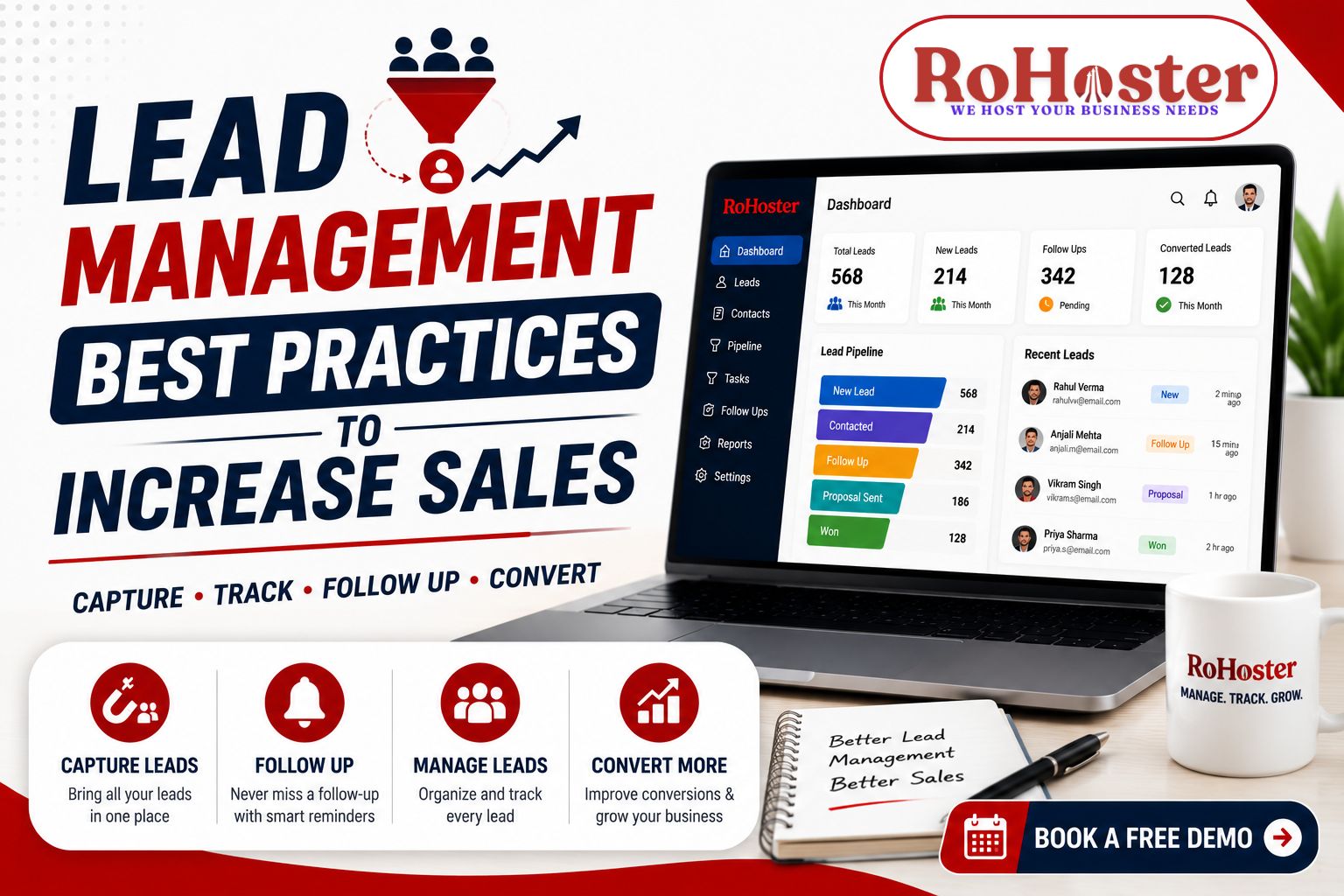
A typical pipeline includes:
- New Lead
- Contacted
- Follow-Up Scheduled
- Proposal Sent
- Negotiation
- Won
- Lost
Tracking lead status helps teams understand where every opportunity stands.
Also Read: How to Manage Leads and Follow-Ups Without Missing Opportunities
6. Keep Customer Information Updated
Every interaction should be recorded.
Include:
- Contact details
- Notes
- Call history
- Meeting summaries
- Documents
- Requirements
Maintaining accurate records improves future communication.
7. Assign Leads to the Right Team Member
As businesses grow, manually assigning leads becomes inefficient.
Assign leads based on:
- Product expertise
- Territory
- Industry
- Workload
- Priority
This improves accountability and response time.
8. Measure Performance
Successful businesses continuously analyze their sales process.
Track metrics such as:
- Total Leads
- Qualified Leads
- Conversion Rate
- Follow-up Completion
- Average Response Time
- Sales Revenue
- Lead Sources
These insights help improve marketing and sales strategies.
9. Use Automation Wherever Possible
Automation reduces repetitive work.
Examples include:
- Follow-up reminders
- Lead assignment
- Email notifications
- Status updates
- Task creation
This allows sales teams to spend more time selling.
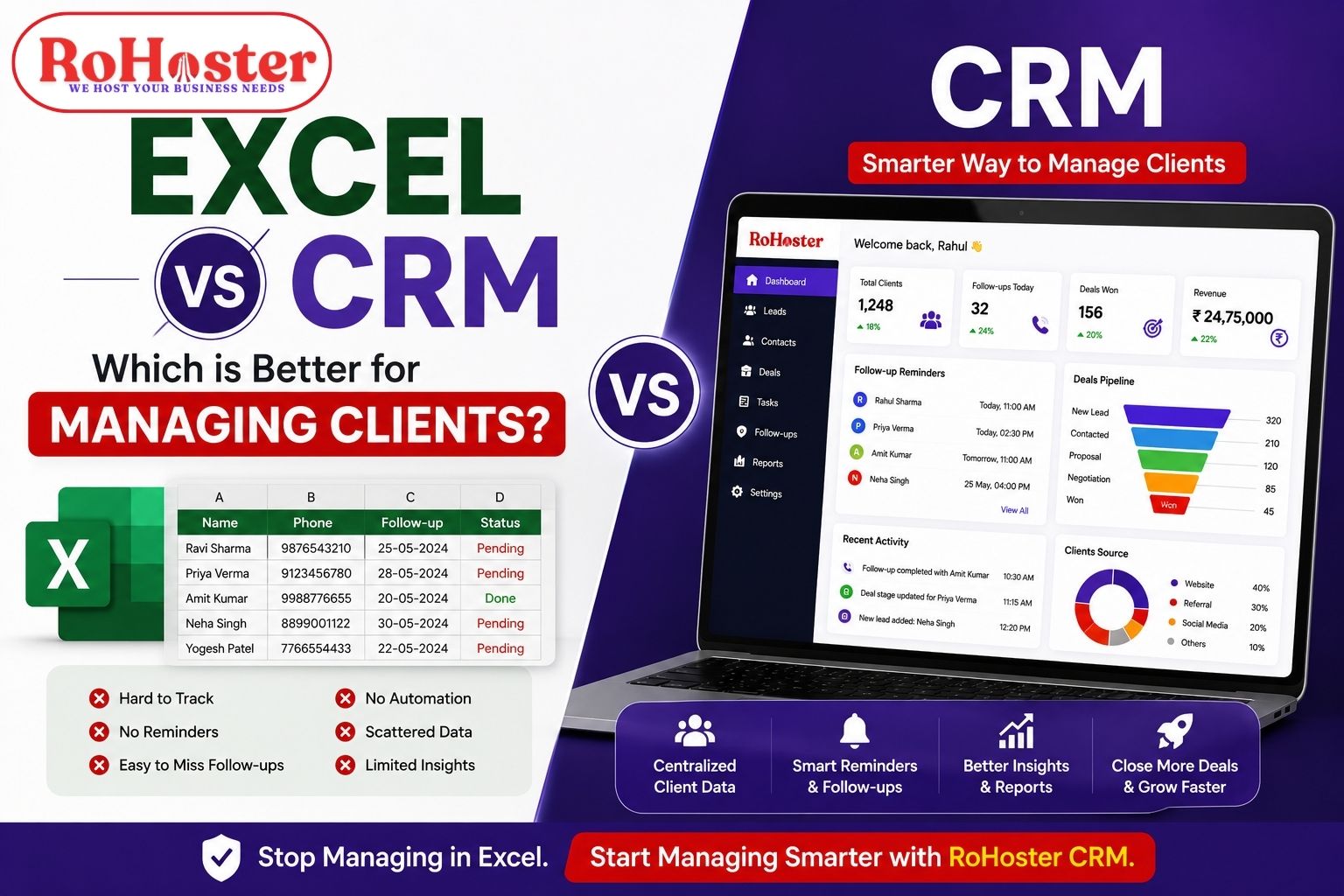
10. Stop Managing Leads in Excel
Excel works for small datasets but becomes difficult to manage as your business grows.
Common problems include:
- No reminders
- Manual updates
- Duplicate data
- Difficult collaboration
- Limited reporting
Modern lead tracking software provides automation, collaboration, and real-time visibility.
Common Lead Management Mistakes
Many businesses unknowingly lose customers because they:
- Delay responding to inquiries.
- Forget follow-ups.
- Store leads in multiple places.
- Fail to qualify leads.
- Ignore performance reports.
- Use spreadsheets instead of a CRM.
- Don't assign ownership for each lead.
Avoiding these mistakes can significantly improve conversion rates.
How RoHoster Simplifies Lead Management
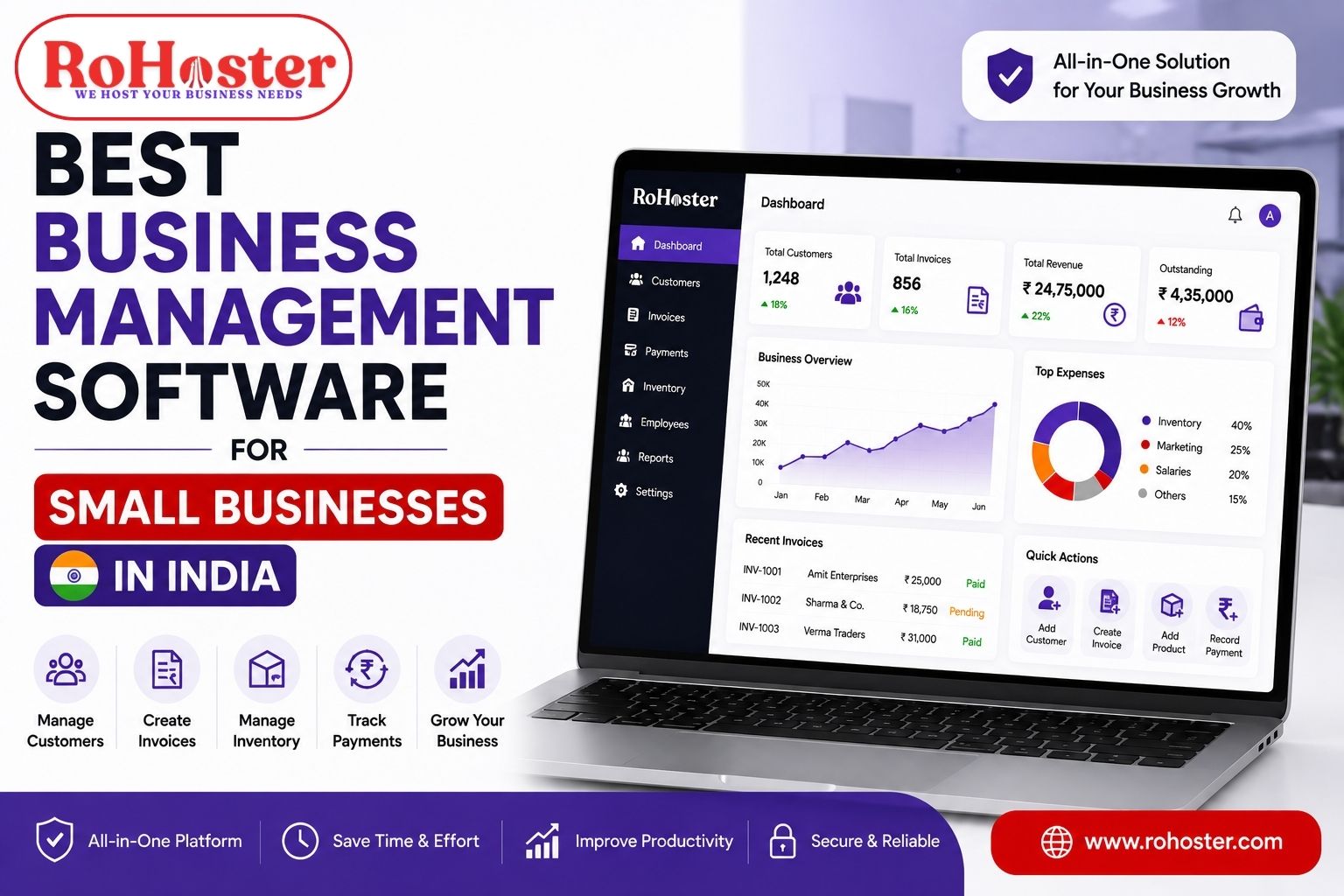
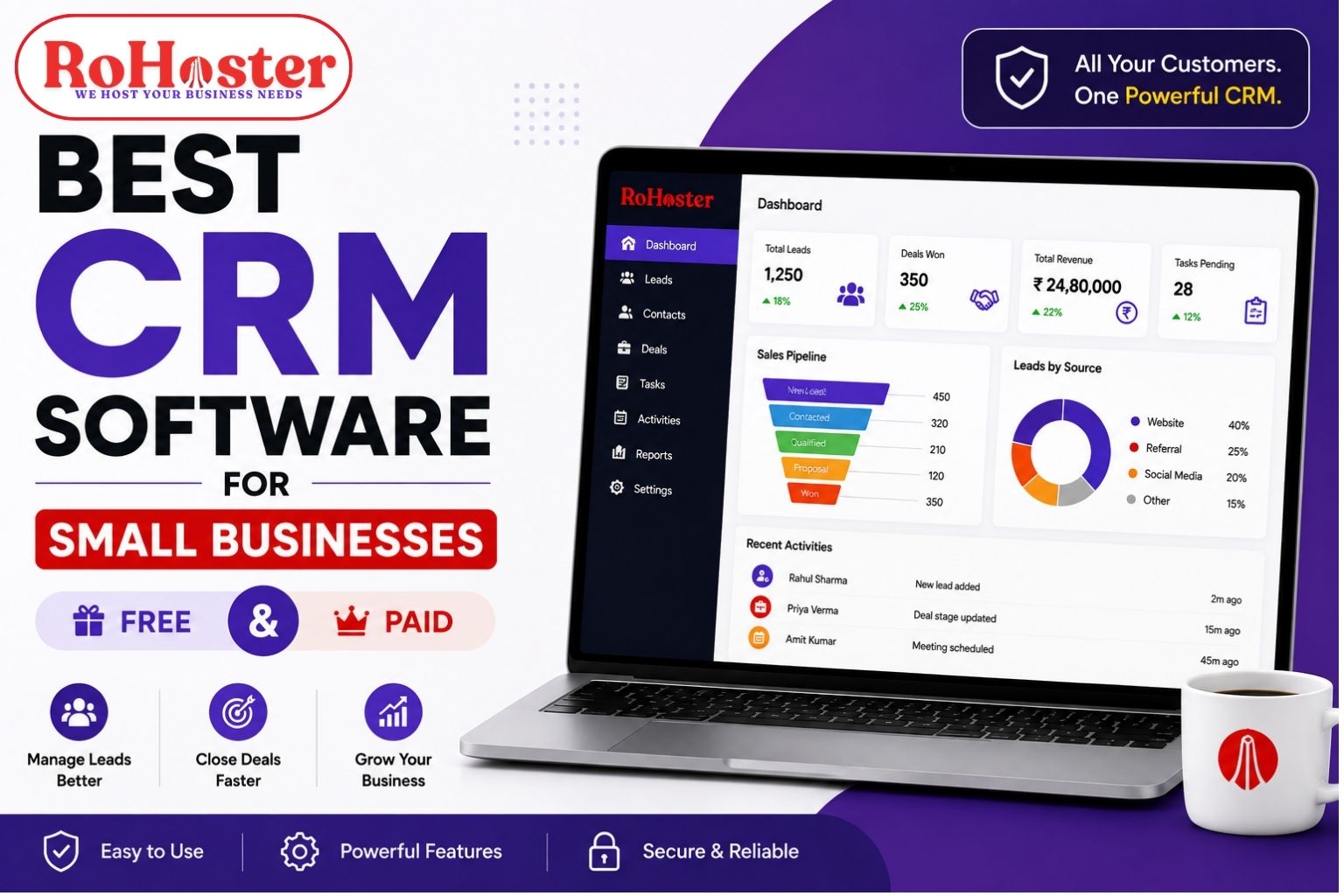
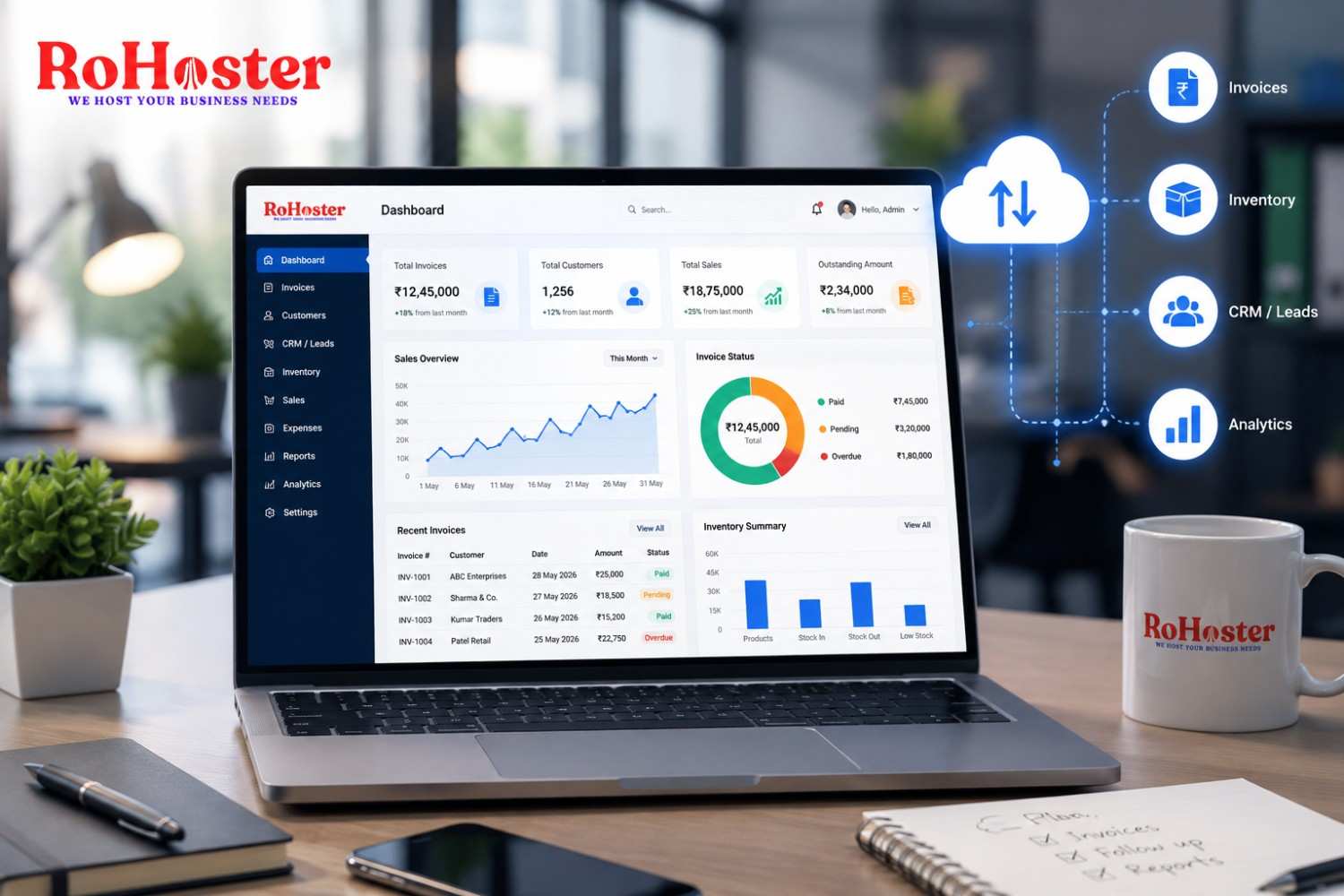
RoHoster is an All-in-One Business Management Software that helps businesses capture, organize, track, and convert leads from one centralized platform.
With RoHoster, businesses can:
- Capture leads from multiple sources
- Assign leads to team members
- Schedule follow-ups
- Track every interaction
- Monitor the complete sales pipeline
- Generate performance reports
- Convert leads into customers
- Manage billing and clients after conversion
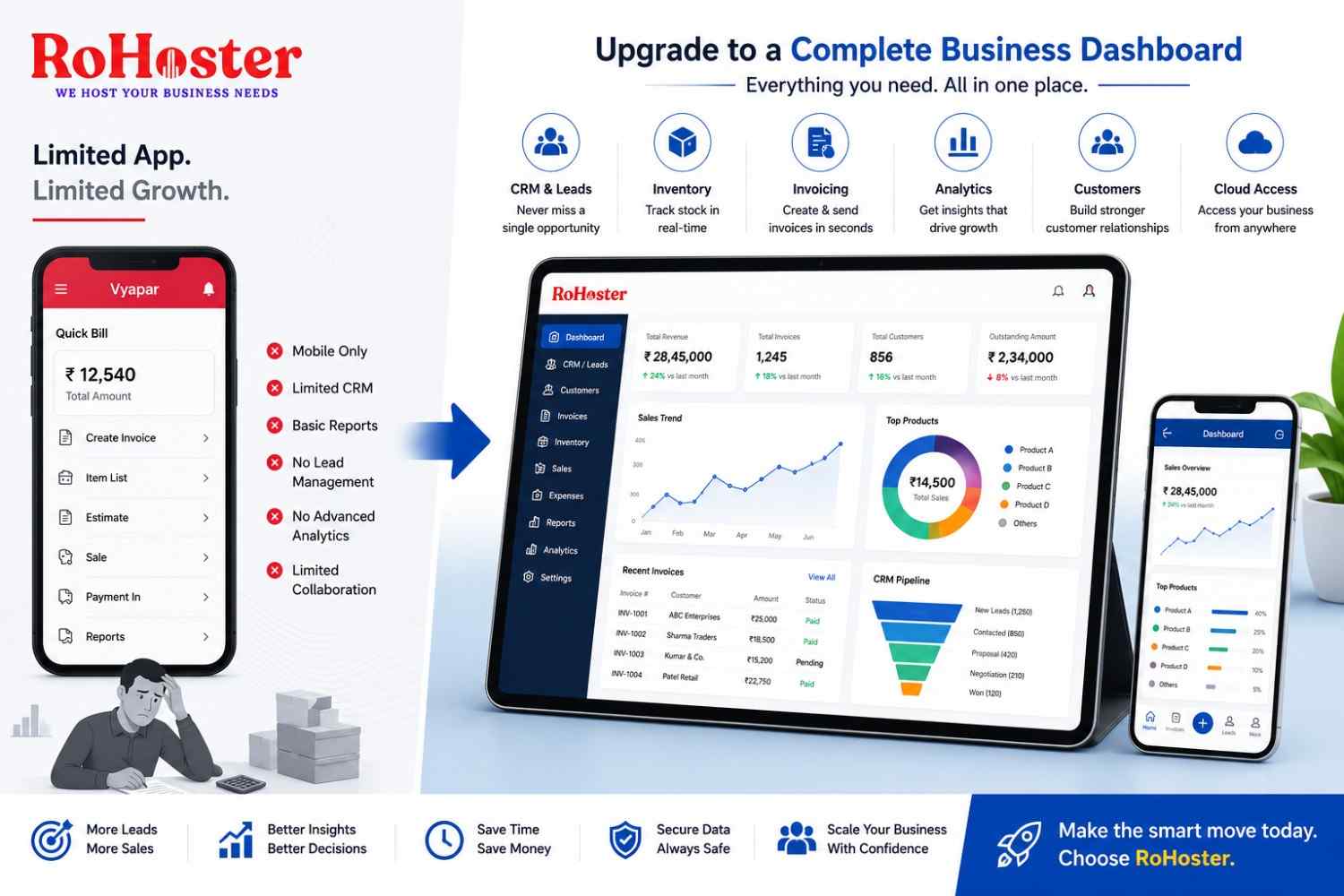
Instead of using separate CRM, billing, and customer management tools, RoHoster combines everything into one integrated solution.
Lead Management Software vs Manual Lead Tracking
| Manual Method | Lead Management Software |
|---|---|
| Excel Sheets | Centralized Dashboard |
| Manual Follow-ups | Automated Reminders |
| Paper Notes | Digital Records |
| No Visibility | Real-Time Sales Pipeline |
| Difficult Collaboration | Team Access |
| Manual Reports | Analytics & Insights |
Final Thoughts
Effective lead management isn't about generating more leads—it's about managing the leads you already have more efficiently.
By implementing these lead management best practices, businesses can improve customer engagement, respond faster, increase conversions, and build a scalable sales process.
RoHoster makes this process even simpler by combining Lead Management, CRM, Billing, Task Management, and Business Analytics into one easy-to-use platform.
Whether you're a startup, SME, or growing enterprise, adopting a structured lead management process can directly impact your sales growth.
Ready to Convert More Leads?
Stop losing potential customers because of missed follow-ups.
✅ Capture every lead
✅ Track every conversation
✅ Never miss a follow-up
✅ Improve your sales pipeline
✅ Convert more prospects into customers
Book your FREE demo today and discover how RoHoster helps businesses manage leads more efficiently.
👉 Start with the FREE Forever Plan or schedule your personalized demo today.