For many retailers and wholesalers, one of the biggest hidden costs isn't rent, salaries, or marketing—it's inventory that simply doesn't move.
Dead stock occupies valuable warehouse space, ties up working capital, increases storage costs, and prevents businesses from investing in products that customers actually want. Over time, slow-moving inventory directly impacts profitability and cash flow.
Fortunately, reducing dead stock doesn't always require heavy discounts or writing off inventory. With the right strategy and the help of modern inventory management software, businesses can identify problems early and make smarter purchasing decisions.
Here are five proven strategies that help businesses reduce dead stock and improve inventory turnover.
1. Use Inventory Aging Reports to Identify Slow-Moving Products
You can't reduce dead stock if you don't know where it's accumulating.
One of the most valuable features of modern business management software is the Inventory Aging Report.
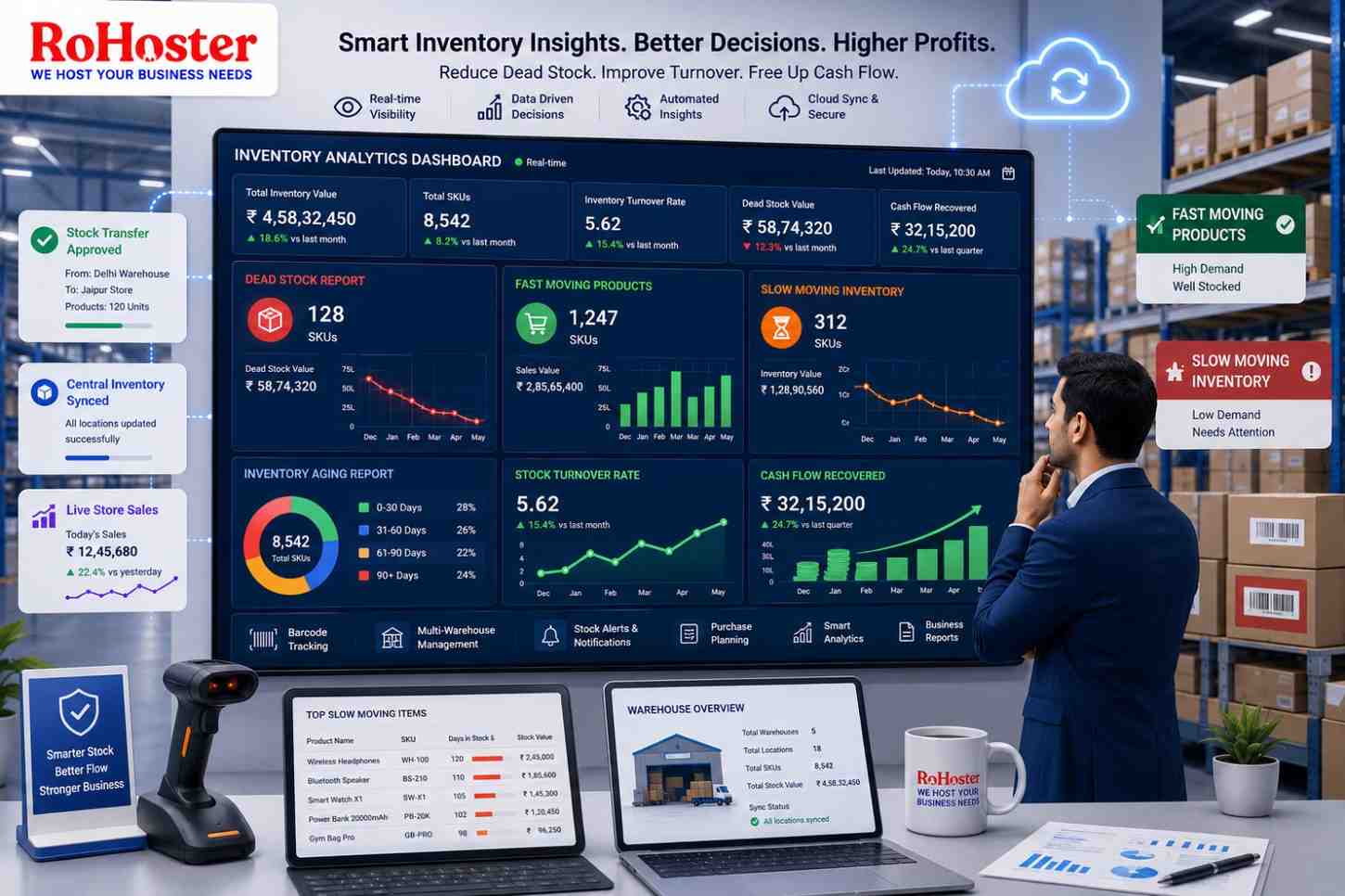
Instead of simply showing how much stock you have, aging reports classify products based on how long they've been sitting in your warehouse.
For example:
- 0–30 Days
- 31–60 Days
- 61–90 Days
- 90+ Days
This helps businesses quickly identify products that require attention before they become obsolete.
Rather than relying on manual spreadsheets, inventory analytics make it easier to spot trends and take corrective action.
2. Track Inventory Turnover Regularly
Not every product sells at the same pace.
Some products leave your shelves within days, while others remain untouched for months.
Tracking inventory turnover allows businesses to understand:
- Fast-selling products
- Seasonal demand
- Overstocked items
- Products that should no longer be reordered
Instead of purchasing inventory based on assumptions, retailers can make data-driven decisions supported by real sales performance.
Businesses that monitor turnover consistently maintain healthier cash flow and reduce unnecessary inventory investments.
3. Centralize Inventory Across All Locations
Many businesses unknowingly create dead stock because inventory is spread across multiple stores or warehouses.
One branch may have excess inventory while another faces shortages.
A centralized inventory system provides visibility across every location, making it easier to redistribute products before they become slow-moving.
If your business operates multiple outlets, our guide Managing Multiple Outlets? How to Centralize Multi-Store Inventory Control explains how centralized inventory management improves stock utilization and reduces unnecessary purchases.
4. Automate Purchasing Decisions
Many businesses continue ordering inventory based on estimates or previous buying habits.
Modern inventory management software analyzes:
- Sales history
- Inventory turnover
- Seasonal trends
- Reorder levels
- Current stock availability
This reduces over-purchasing while ensuring high-demand products remain available.
Instead of reacting after inventory becomes dead stock, businesses prevent the problem before it occurs.
Automation also helps purchasing teams make faster and more informed decisions.
5. Monitor Business Performance Through Analytics
Dead stock is often a symptom of poor visibility.
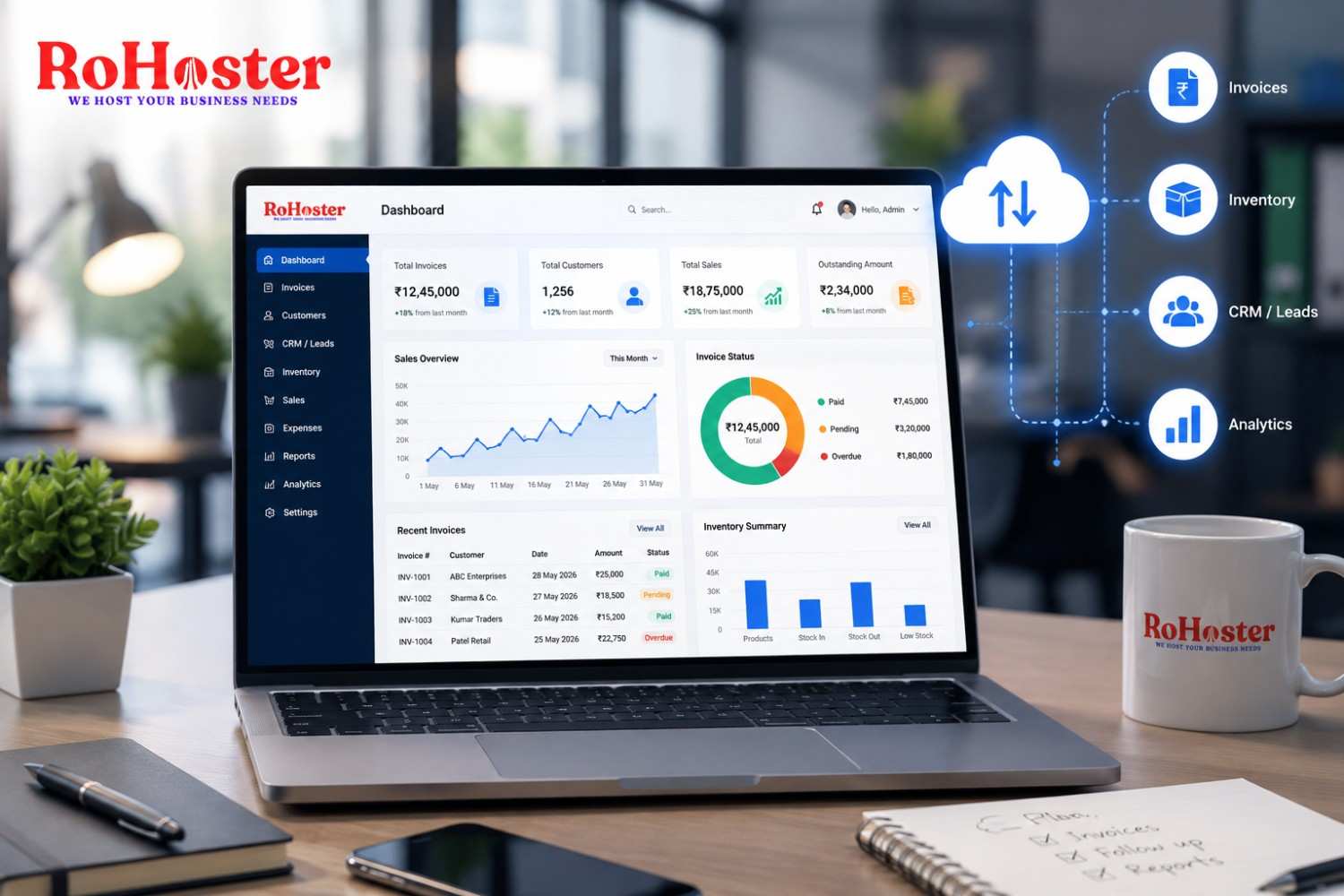
Modern business management software provides interactive dashboards that combine inventory, sales, purchasing, and financial information into one place.
Business owners can quickly review:
- Slow-moving inventory
- Stock value
- Inventory turnover
- Gross sales
- Product profitability
- Cash tied up in inventory
These insights allow businesses to make proactive decisions instead of waiting until inventory problems become expensive.
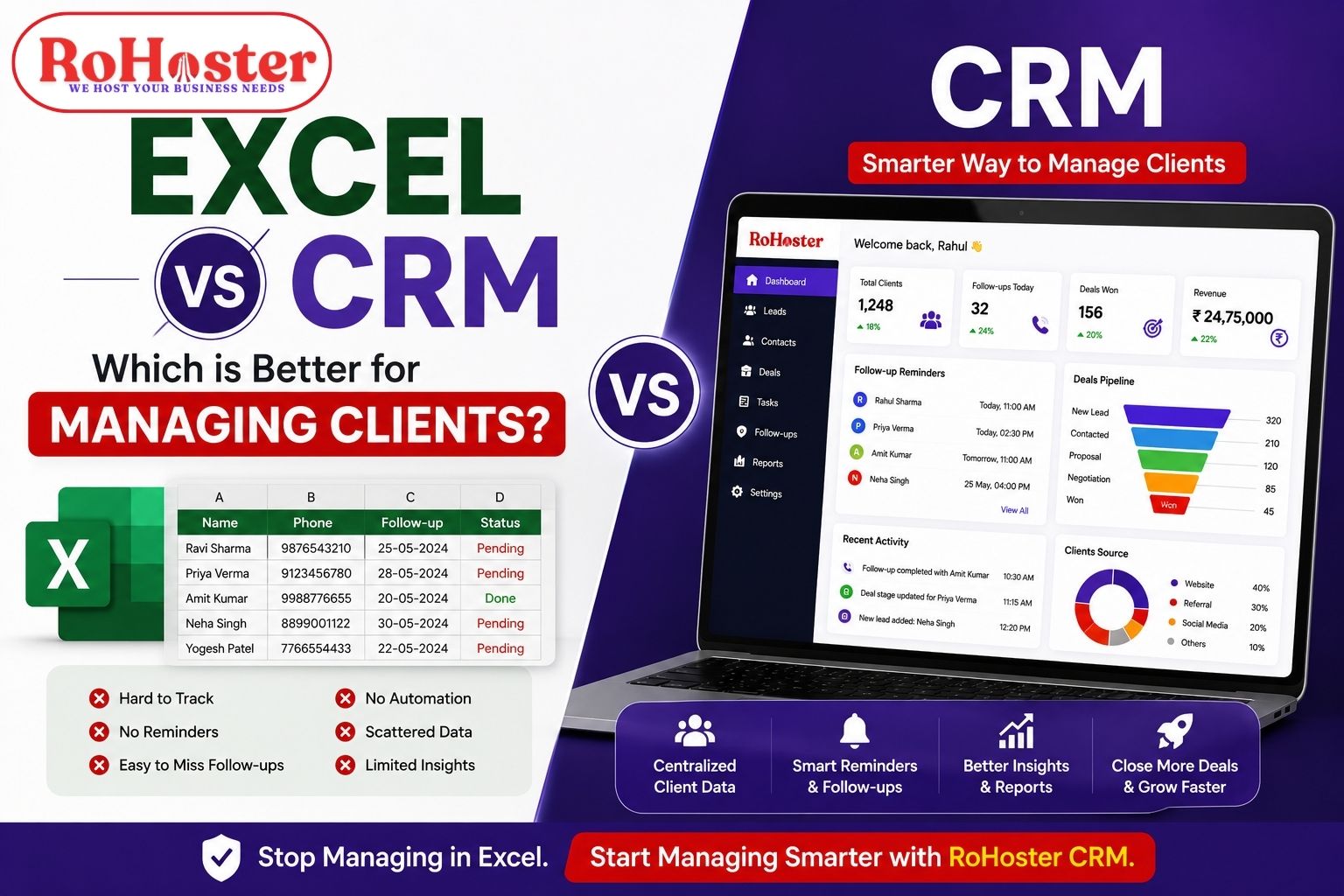
If you're still managing inventory manually, our article Ditch the Spreadsheets: Why Managing Retail Stock in Excel Is Costing You Money explains why businesses are replacing spreadsheets with automated inventory systems.
Why Dead Stock Impacts Cash Flow
Every unsold product represents money that cannot be invested elsewhere.
Dead stock affects businesses by:
- Blocking working capital
- Increasing storage costs
- Reducing warehouse efficiency
- Limiting new inventory purchases
- Lowering profitability
Reducing slow-moving inventory creates healthier cash flow while improving overall business performance.
Technology Makes Inventory Smarter
Modern inventory management isn't just about counting products.
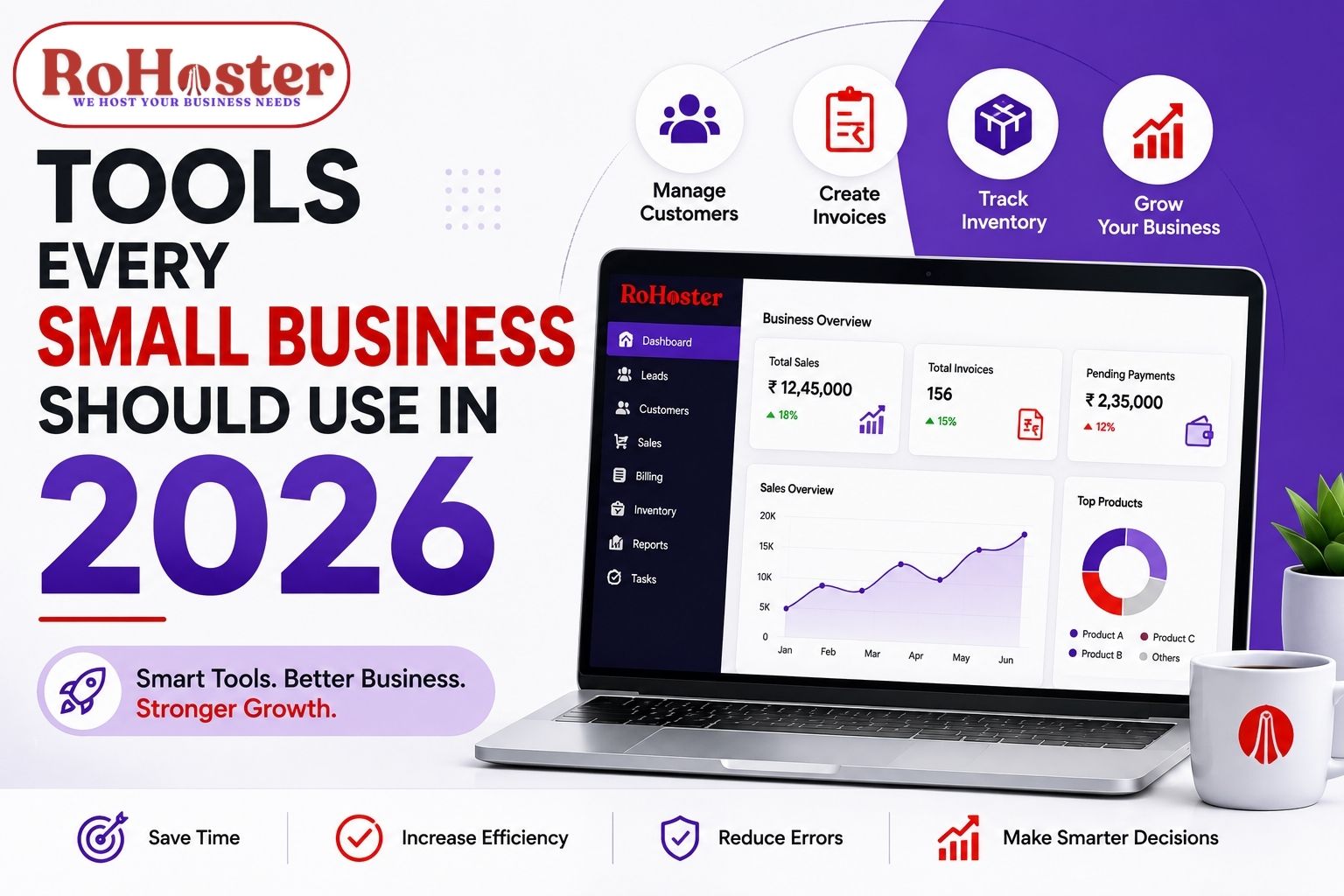
Today's software for small business combines:
- Inventory tracking
- Barcode management
- Purchase planning
- Sales analytics
- Warehouse management
- Business reports
Everything updates automatically, giving businesses real-time visibility into inventory performance.
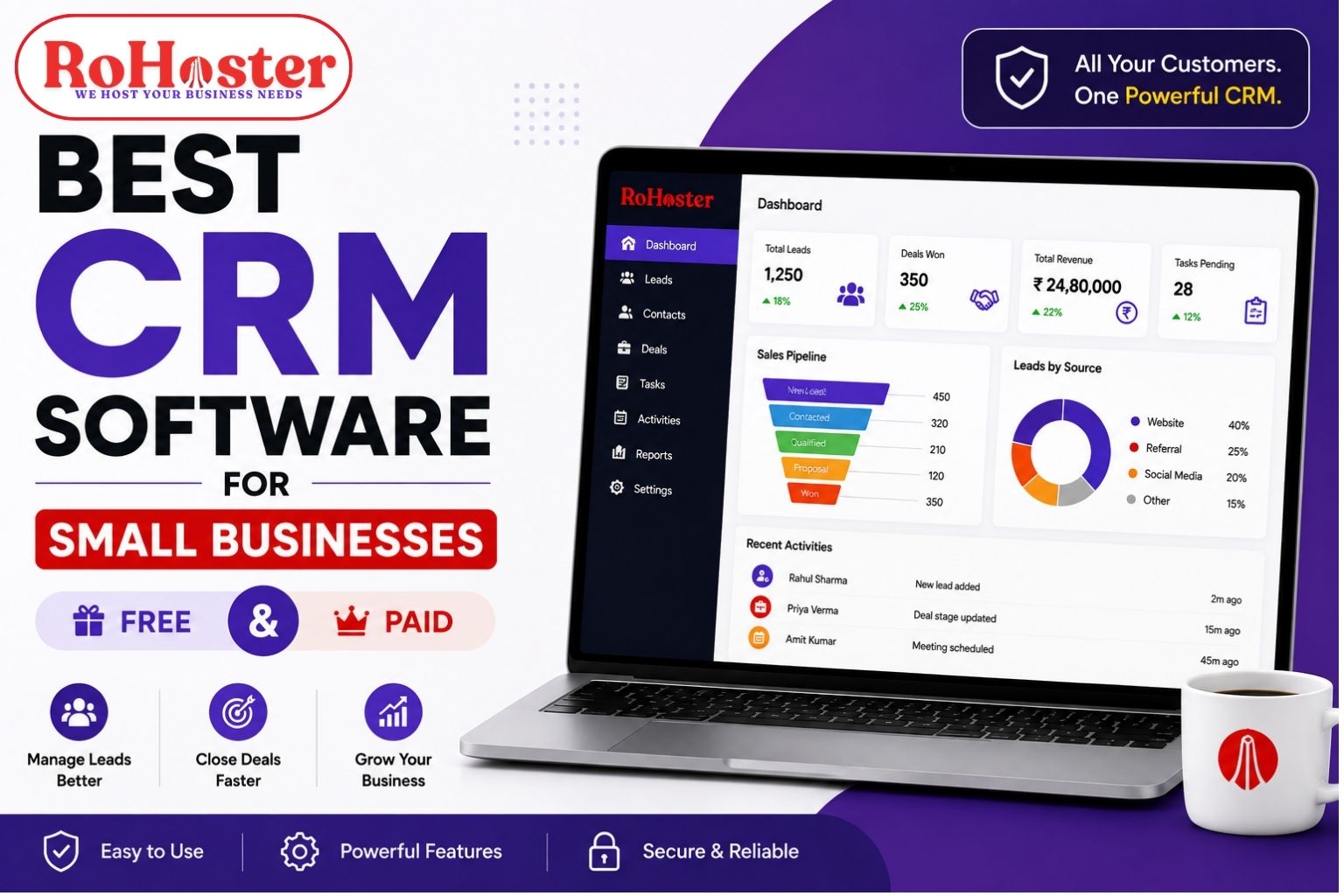
For businesses still evaluating modern inventory systems, our article Best Business Management Software for Small Businesses in India explores the features that help growing companies manage inventory more efficiently.
Why RoHoster Helps Businesses Reduce Dead Stock
RoHoster provides businesses with intelligent inventory analytics that help identify slow-moving products before they become costly.
With RoHoster, businesses can:
- Monitor inventory aging
- Track stock turnover
- Generate inventory reports
- Manage multiple warehouses
- Automate stock alerts
- View business analytics
- Monitor product performance in real time
Instead of relying on guesswork, businesses make inventory decisions based on accurate data.
Conclusion
Dead stock doesn't accumulate overnight—it builds gradually through poor visibility, inaccurate purchasing, and limited inventory analysis.
By using inventory management software with inventory aging reports, turnover analytics, and centralized dashboards, businesses can reduce slow-moving inventory, improve warehouse efficiency, and free up valuable working capital.
The businesses that manage inventory proactively are the ones that maintain healthier cash flow, better customer service, and stronger long-term growth.
Further Reading
Want more practical insights on inventory optimization, warehouse management, and business growth?
📖 Read the latest business insights from LarchSoft on LinkedIn