Every growing business reaches a point where spreadsheets, local software, and disconnected tools begin slowing down daily operations. Whether you're managing inventory, customers, billing, or sales, the software you choose directly affects your team's productivity and your business's ability to scale.
For years, desktop software was the standard choice for businesses. It worked well when employees operated from a single office and data rarely needed to leave the local computer. But today's businesses operate differently. Teams work remotely, owners travel frequently, and customers expect faster service than ever before.
This shift is why more companies are adopting cloud business management software instead of relying on traditional desktop applications.
If you're deciding between cloud and desktop software, here's what every growing SME should know.
How Desktop Software Works
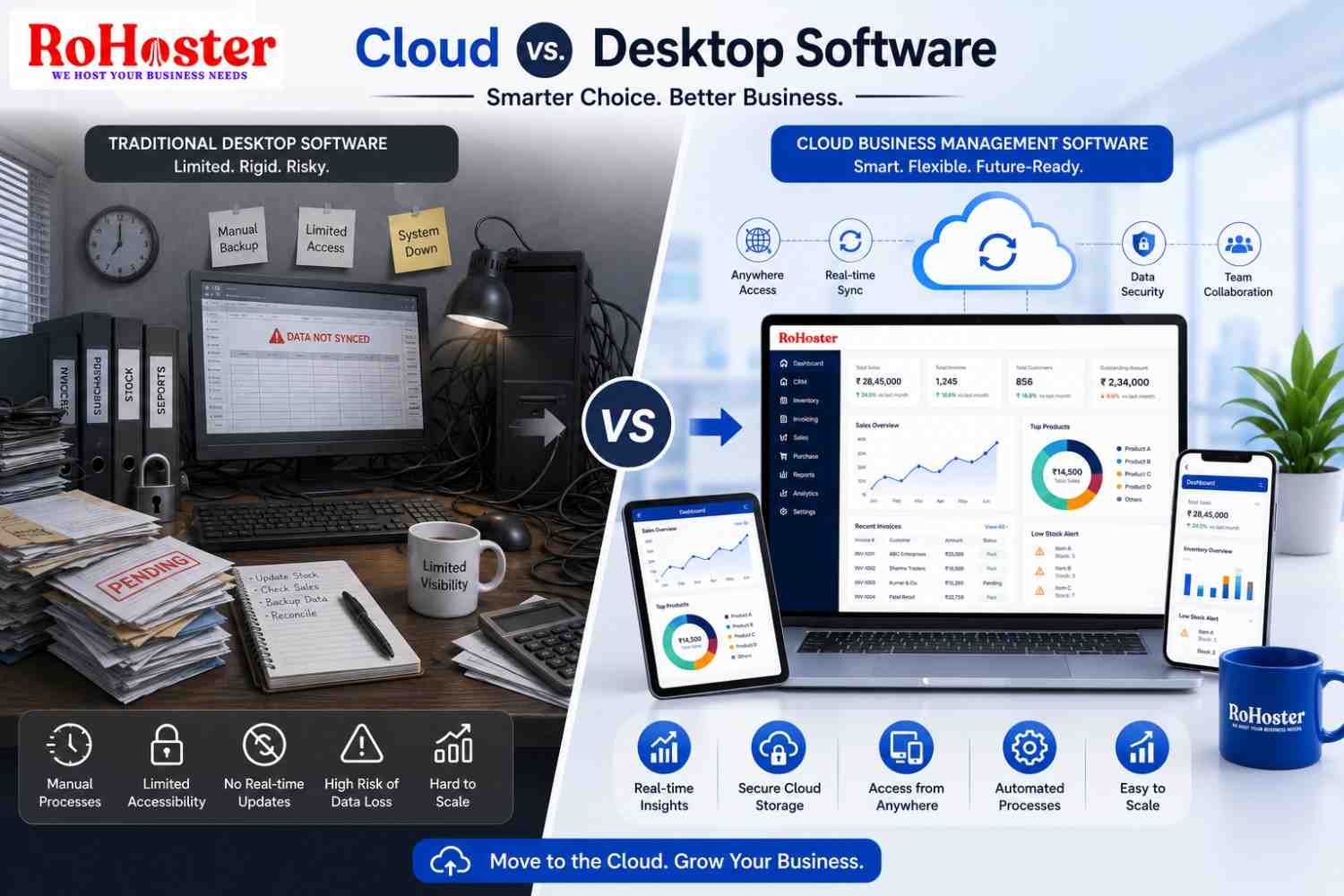
Desktop software is installed directly on a computer or local server.
All business information—including customer records, invoices, inventory, and reports—is generally stored on local machines.
While this setup has worked for many years, it also creates several operational challenges as businesses expand.
Many companies that started with desktop accounting software eventually look for more flexible alternatives. If that's your situation, our guide on Top 5 Cloud-Based Tally Alternatives for Indian Small Businesses in 2026 explores why businesses are moving toward cloud-based platforms.
Why Cloud Software is Becoming the New Standard
Unlike desktop applications, cloud business management software stores business information securely online.
This means you can access your business from anywhere using a laptop, tablet, or smartphone.
Whether you're visiting a client, working from another branch, or travelling, your business stays within reach.
Instead of being tied to one office computer, your entire team can collaborate using real-time information.
Work From Anywhere Without Compromising Productivity
Business owners no longer spend every day inside the office.
Meetings, client visits, supplier negotiations, and travel have become part of everyday operations.
Cloud software allows you to:
Check sales reports remotely
Monitor inventory in real time
Approve invoices
Track employee activity
View business analytics instantly
This flexibility is one of the biggest reasons SMEs are replacing desktop systems.
Better Collaboration for Growing Teams
As businesses expand, multiple employees need access to the same information.
Desktop software often requires:
File sharing
Manual backups
Version control
Separate user installations
Cloud platforms eliminate these issues by allowing authorized employees to work on the same data simultaneously.
This improves communication and significantly reduces administrative work.
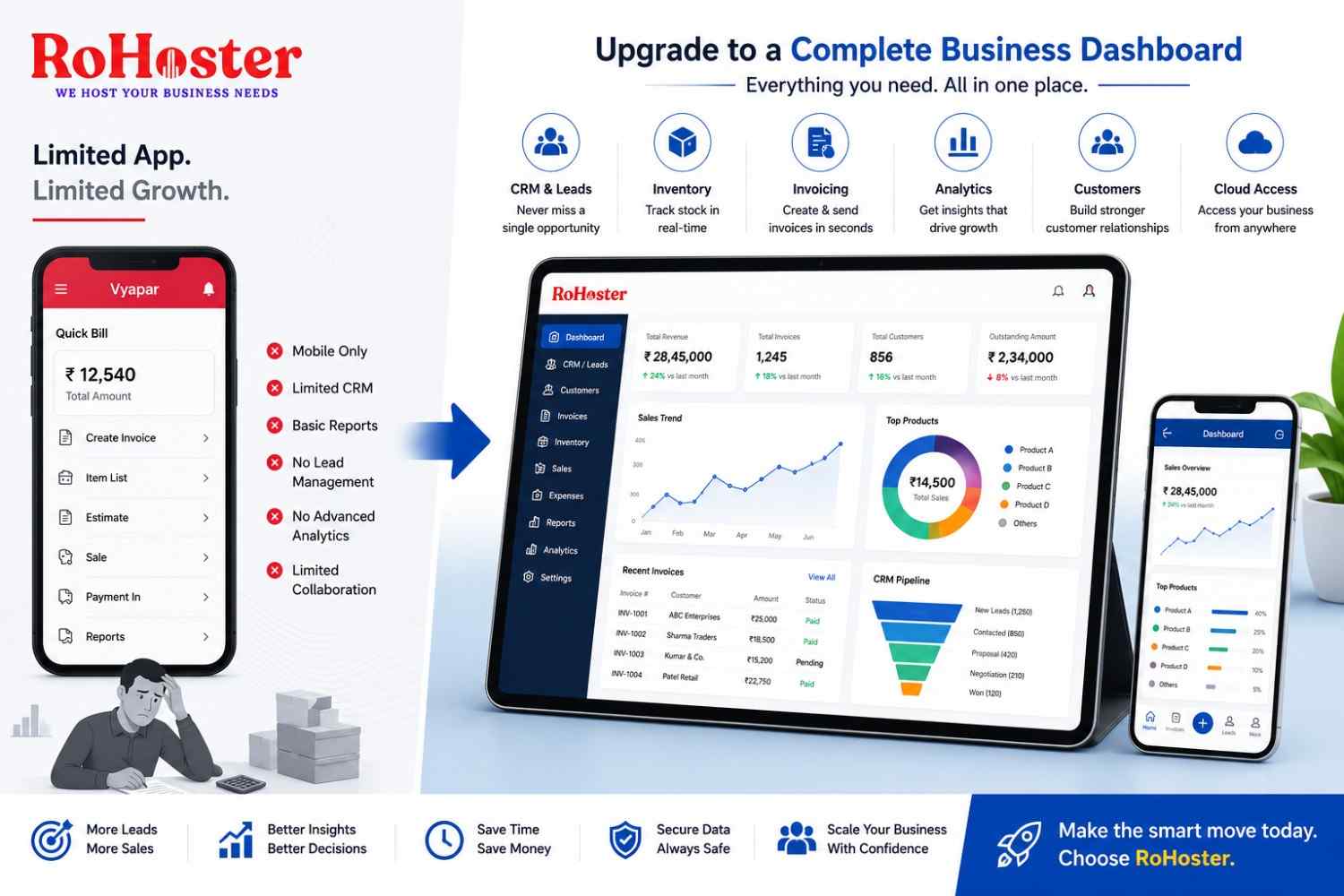
Your Business Needs More Than Accounting
Many traditional desktop applications focus primarily on accounting.
Modern businesses, however, need much more.
Today's business management software combines:
CRM software
Lead management
Inventory management
GST billing
Sales tracking
Purchase management
Customer database
Business analytics
Having everything connected in one platform saves time while providing a complete picture of business performance.
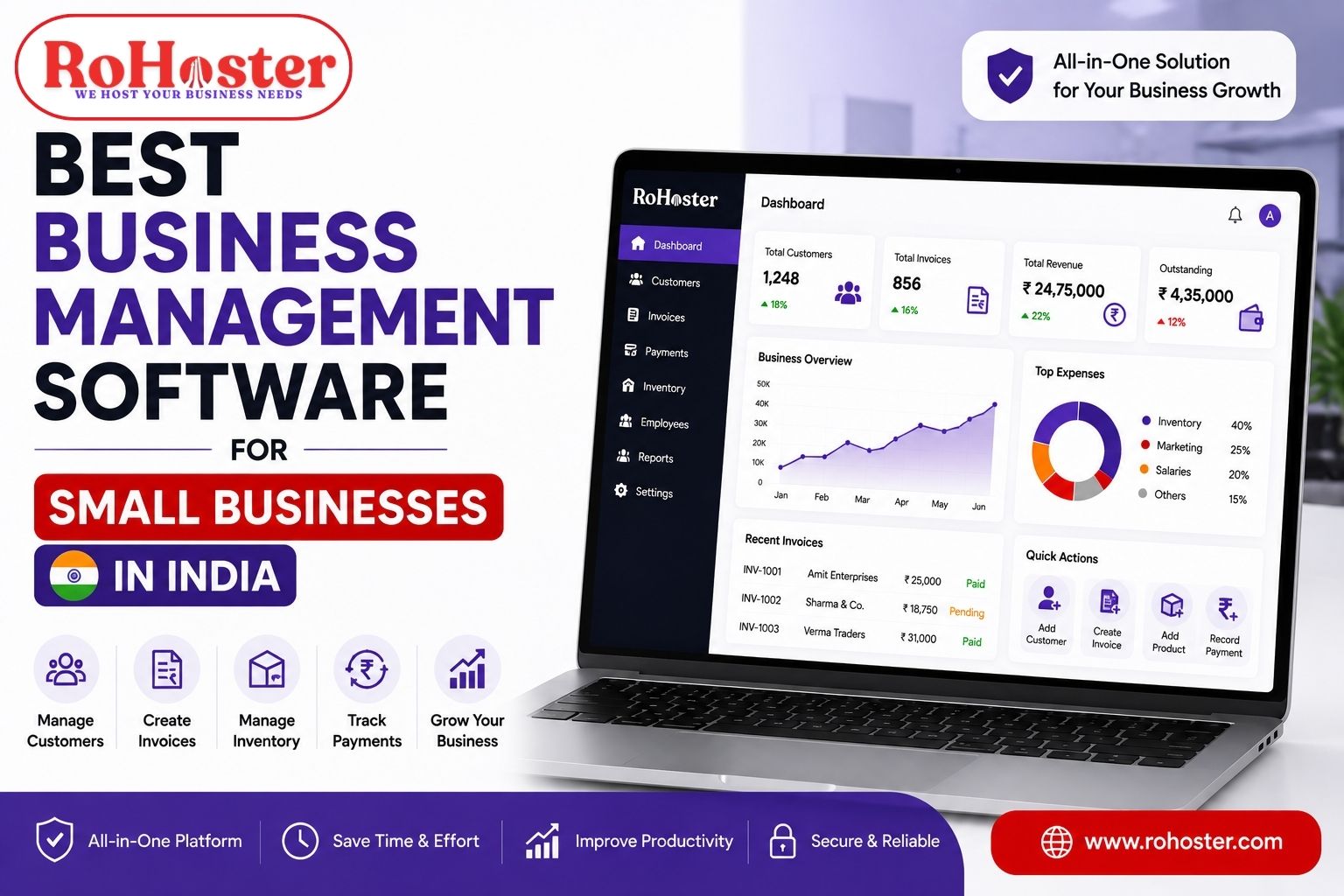
If you're exploring complete solutions, our article Best Business Management Software for Small Businesses in India explains the key features every growing business should look for.
Data Security Has Improved Dramatically
One common misconception is that desktop software is automatically more secure.
In reality, cloud platforms now offer:
Automatic backups
Encrypted connections
Secure cloud storage
User permissions
Disaster recovery
Multi-factor authentication
Businesses no longer have to worry about losing critical information because of hardware failures or accidental deletions.
Cloud Software Grows With Your Business
Desktop software often requires additional installations, licenses, or hardware upgrades as businesses expand.
Cloud platforms are designed to scale effortlessly.
Whether you add:
New employees
Multiple branches
More customers
Larger inventories
your software grows alongside your business.
Customer Management Shouldn't Be Separate
Many businesses still manage customers using spreadsheets or disconnected applications.
This creates duplicate work and missed opportunities.
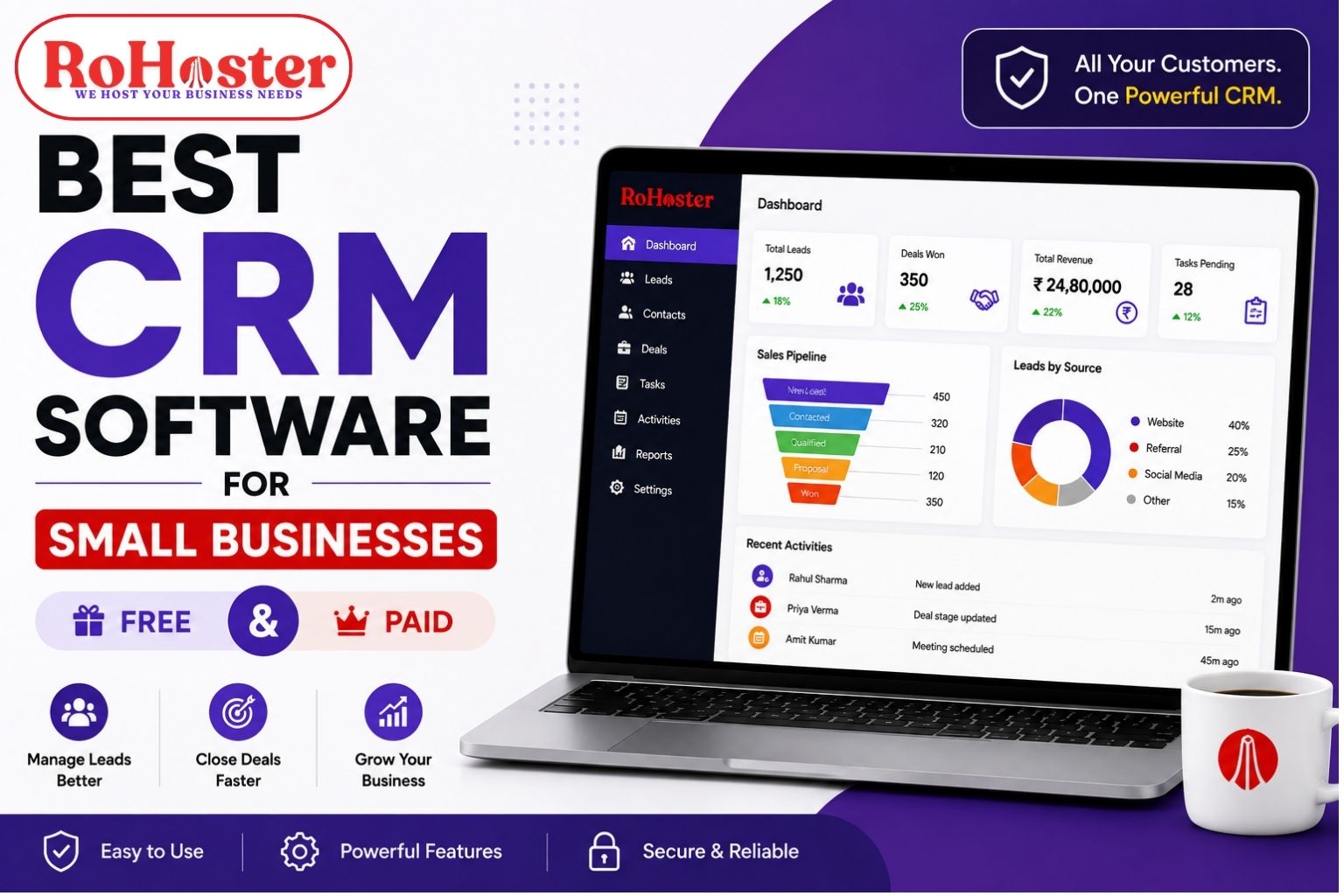
Modern CRM software keeps every customer interaction organized while helping businesses improve retention and sales.
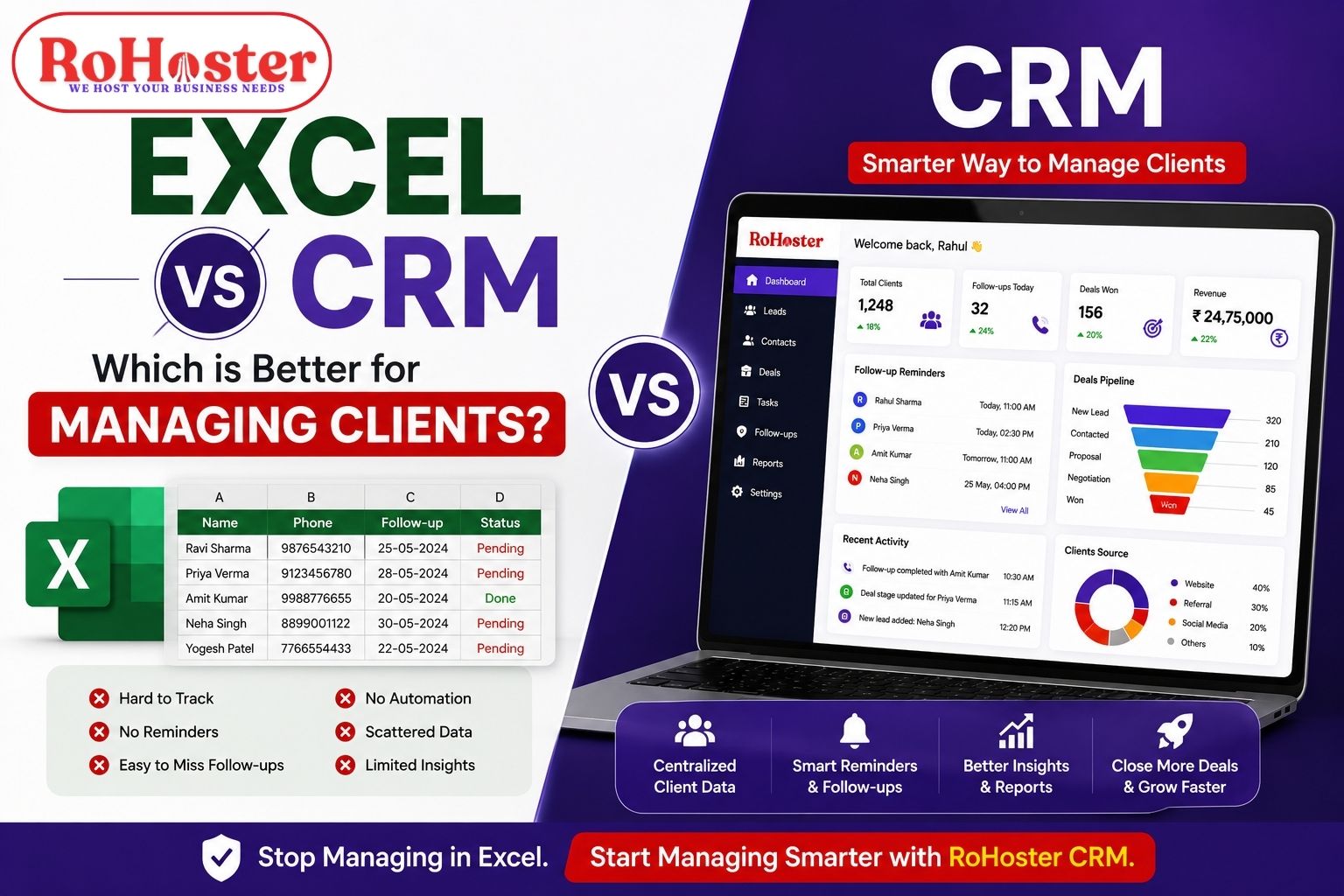
If you're still comparing customer management methods, our article Excel vs CRM – Which Is Better for Managing Clients? explains why businesses are replacing spreadsheets with dedicated CRM systems.
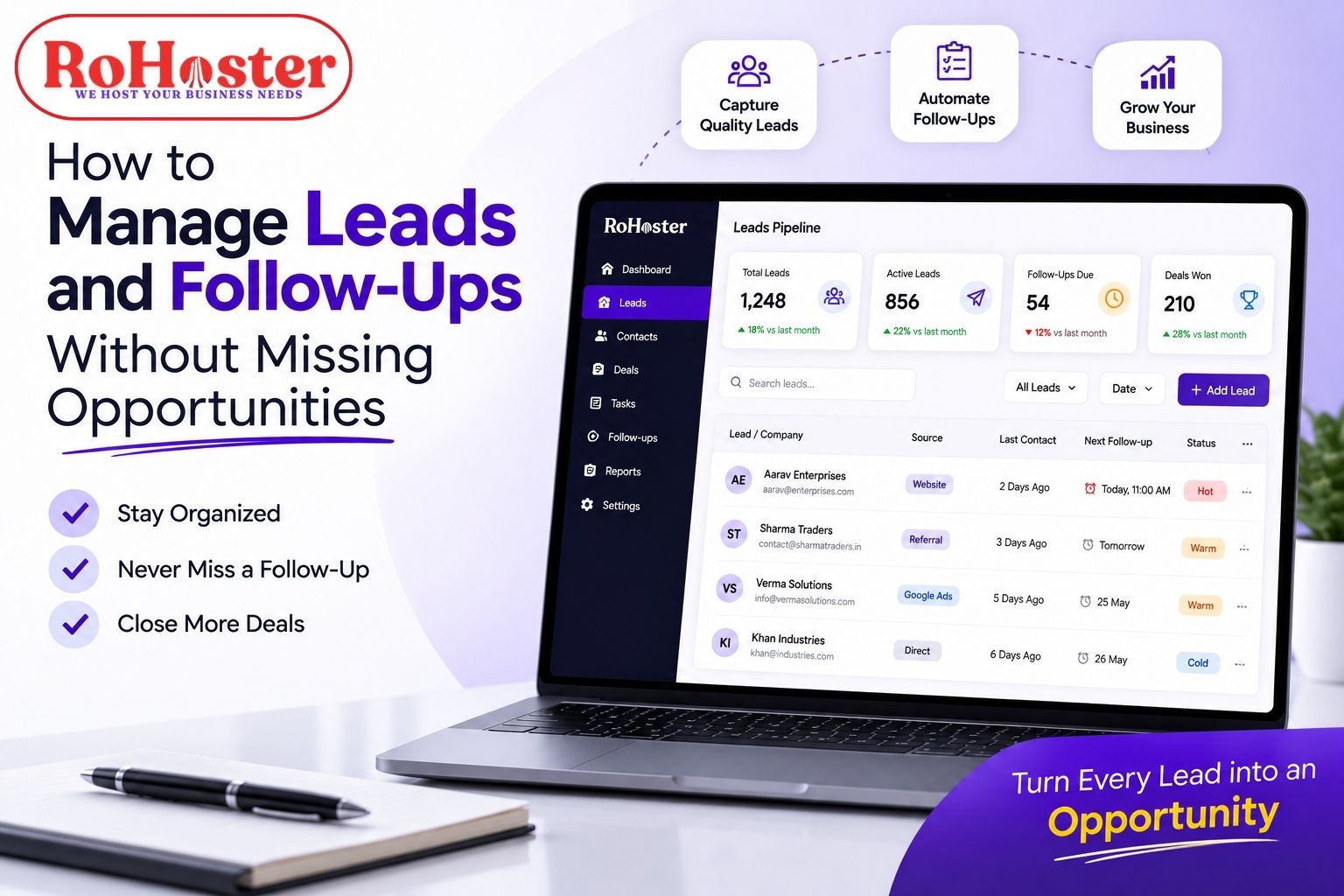
Better Follow-Ups Lead to Better Sales
Business growth isn't driven by inventory alone.
Following up with enquiries, nurturing prospects, and maintaining customer relationships are equally important.
Integrated lead management tools help businesses:
Track enquiries
Assign sales activities
Schedule reminders
Improve conversion rates
Cloud Software Eliminates Multiple Tools
Many SMEs still use:
Desktop accounting software
Excel spreadsheets
Separate inventory software
Standalone billing applications
Different CRM platforms
Managing multiple systems increases complexity.
An integrated software for small business combines these functions into one secure platform, making daily operations simpler and more efficient.
Why RoHoster is Built for Modern Businesses
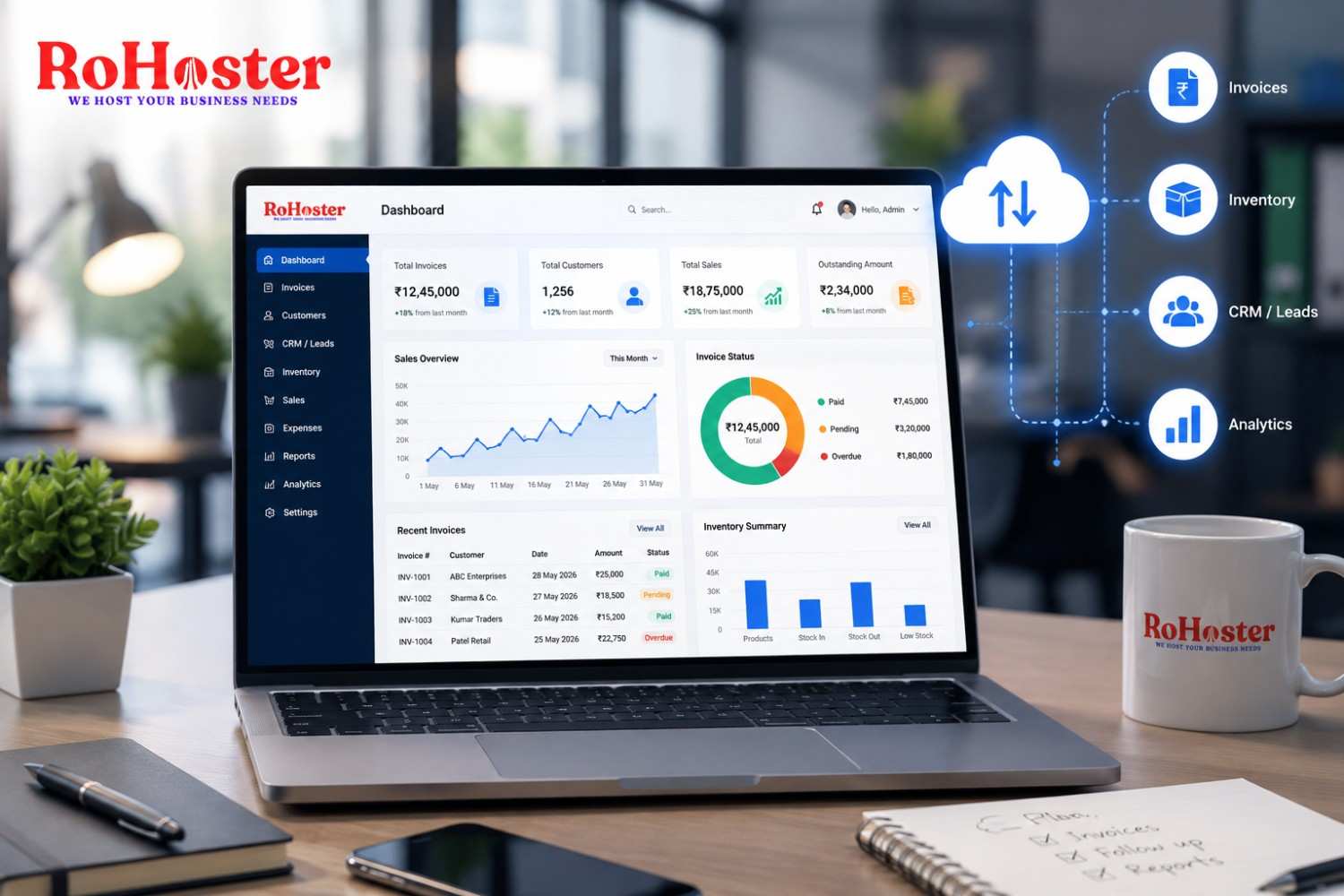
RoHoster helps businesses manage every critical operation from one cloud-based platform.
Instead of switching between multiple applications, businesses can manage:
Inventory Management
GST Billing
CRM Software
Lead Management
Customer Database
Sales Reports
Business Analytics
Employee Access
Multi-user Collaboration
Everything is accessible securely from anywhere, allowing businesses to stay productive whether teams are in the office or working remotely.
Conclusion
Desktop software played a vital role in helping businesses manage operations for decades, but today's SMEs require greater flexibility, collaboration, and visibility than traditional systems can offer.
By switching to cloud business management software, businesses gain secure access to their data, improve team collaboration, automate routine processes, and integrate functions like CRM software, lead management, inventory, billing, and analytics into one centralized platform.
For growing businesses, cloud software isn't just a technology upgrade—it's a smarter way to operate, adapt, and scale in an increasingly digital world.
Further Reading
Interested in more insights on digital transformation, business management software, and strategies to help your SME grow?
📖 Read our latest articles and business insights on LinkedIn.